Sunday, December 7, 2025
Home Blog Page 2

Nobell Foods’ Magi Richani is crafting plant-based cheese with real pull

0

Magi Richani loves cheese, but the 34-year-old entrepreneur is lactose intolerant and her plant-based diet, started in her 20s, never could replicate the “stretchy mouthfeel,” as she puts it, of old-fashioned dairy cheese. That started Richani on a now seven-year journey to make the world’s best cheese—without involving a cow.

“I grew up in Lebanon, and cheese is such a big part of my diet,” Richani told Newsweek during a recent phone interview. “It reminds me of time with family and memories and, you know, it’s very cultural, too.”

Richani is the founder of San Francisco-based Nobell Foods, a startup company developing a new kind of cheese made from soybeans. She says plant-based cheese not only accommodates people who can’t consume dairy, but it also could be key to more sustainable food production worldwide.

“The reality is that when you raise an animal for food, it’s not just the animals, you are actually growing crops, you are clearing land, growing crops to [make] food, like plant materials, to feed the animals and then you’re raising the animal for years so it builds biomass,” Richani explained. “It’s an extremely inefficient supply chain.”

Nobell is particularly focused on creating planet-based casein, a crucial protein that’s found in dairy cheese. Casein, which is produced when a cow gives birth and is present in the milk for its offspring, is the ingredient that gives cheese its unique stretchy texture.

In an earlier email to Newsweek, Richani elaborated on the role of caseins, which she admitted are “inherently difficult to produce outside of a cow.”

“We had to try hundreds if not thousands of things that didn’t work in order to gather those clues that got us closer to success,” she wrote.

In January, Forbes reported that approximately 70 billion animals worldwide are in factory farms for food production. It’s a statistic that is important to Richani, who said “there isn’t enough land on this planet to keep raising more animals to feed people.”

“It is a hard concept to grasp because as consumers, we are often disconnected from the food supply chain,” she told Newsweek via email, “but we are literally trading rainforests and wildlife for cheeseburgers and pizza.”

In 2019, the Food and Agriculture Organization of the United Nations reported that total agricultural land worldwide was 11.8 billion acres, about two-thirds of which were permanent meadows and pastures used for livestock (7.9 billion acres).

According to Richani, Nobell’s next big milestone will be bringing its plant-grown cheese to market. The company has an online waitlist for cheese-lovers who are eager to get a taste of its stretchy creation.

“The two things that really matter for us are product quality, which is taste and functionality, and cost because…the thing with climate change that most people don’t talk about is, at the end of the day, it’s a privilege in itself to be able to think and make decisions based off of climate impact,” Richani said. “The data shows that the decision is based off price, taste and convenience, so for us to have a meaningful impact, those are the things we want to hit.”

Footprint Coalition Ventures, led by actor Robert Downey Jr., is backing Nobell in its mission. On its website, the eco-focused venture capital firm says worldwide dairy production emits about 3.1 gigatons of carbon dioxide equivalent per year, a statistic also reported in 2021 by the International Journal of Environmental Research and Public Health. Between 2005 and 2015, the journal added, “annual dairy-related emissions increased by 256 megatons of carbon dioxide equivalent, an 18 percent increase.”

Richani says Footprint is a natural ally for Nobell.

“They’re great, they’re really good partners, they’re very supportive, they’re very mission-aligned,” she said. “You can be a celebrity and just use your fame to sell more makeup or whatever and just make more money. It’s just nice and refreshing to see someone who can do so much with their time and influence, but uses it to shed light [and] bring awareness to this topic.”

If Nobell is able to go to market and have the kind of impact it’s hoping to, then plant-based cheese could help us stretch toward a more sustainable future.

Smog to sustainability: Global cities shaping a carbon-neutral future

0

Emissions-free transportation zones, planting trees, encouraging bicycle use and powering utilities with renewable energy are among the easiest ways for cities to go green. Eco-conscious policymakers in some of the world’s largest cities are pushing further, aiming for carbon neutrality—the state of net-zero carbon emissions, in which offsets equal carbon production. To achieve this, they’re putting new plans into action that take the goals of the 2015 Paris Climate Accords into account, and making public the dates they have set to achieve them.

Coastal Carbon ReducerVancouver, British Columbia

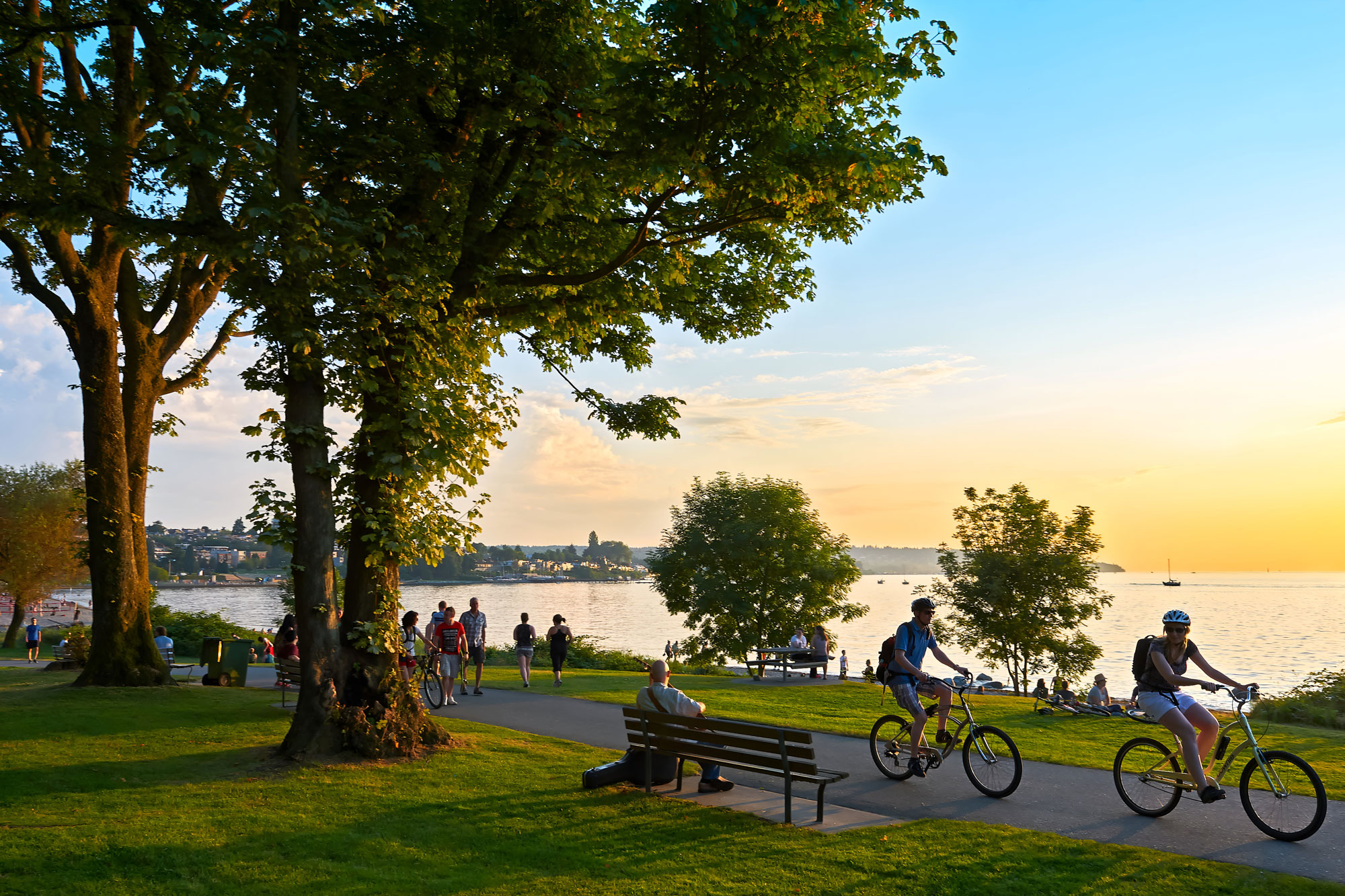
The 2011 Greenest City Adoption Plan lays out 10 goals and 17 targets for Canada’s biggest city on the Pacific Ocean. It sets out a pathway toward greening buildings, transportation, power production, food and nature. Vancouver aims to be carbon neutral by 2050 and have buildings and transportation powered only by renewable energy before then.

Sky’s the LimitToronto

Like many other cities, Toronto has set the goal of being carbon neutral by 2050. Unlike other cities, Toronto’s renewable energy target by that date is 75 percent, which will require fewer offsets than many other cities. By 2030, all new buildings will be built to produce near-zero greenhouse gas, and older buildings will be retrofitted to reduce their carbon footprint by 2050, including the city’s skyscrapers.

Big City, Big InvestmentNew York City

The Big Apple is investing $20 billion into greening and protecting its five boroughs. By 2050, the city hopes to have reduced its emissions by 80 percent below their 2005 level, and has already achieved a 15 percent reduction toward that goal. By 2030, New York aims to have 1 gigawatt of power provided by solar power. Today, gas is the leading fuel.

Track Your FootprintsBuenos Aires, Argentina

Argentina’s capital has set goals related to climate change for 2030 and 2050, reducing energy, mobility and waste emissions along the way. Solar panels now cover many of the city’s rooftops, residents can track their climate footprint via an app—the first carbon footprint meter based on big data such as social media usage—and green agenda items like installing better waste treatment and planting more trees are on the agenda.

Early AdopterRecife, Brazil

The large port city called the “Brazilian Venice” is surrounded by water and was the first city in Brazil to formally declare a climate emergency. Following that, the city set a goal of becoming carbon neutral by 2050 and achieving 100 percent renewable citywide operations by 2037.

Promising PortAmsterdam

The port city has two major goals: to reduce carbon emissions by 55 percent by 2030 and 95 percent by 2050 from 1990 levels. Excluding motorways and provincial roads, the city expects to achieve zero CO2 emissions by 2030. Despite its extra emissions burden from being a port city, Amsterdam is working on a circular economy, clean transportation and transitioning to low-footprint fuel sources.

Two Feet ForwardCopenhagen, Denmark

Located just across the Øresund Bridge from Sweden, the port city of Copenhagen is continuously recognized as one of the most environmentally friendly cities in the world. Solar, wind and biomass power are helping to fuel the city’s 2025 carbon neutrality ambitions. In order to hit that goal, the country has advised that by then, at least 75 percent of all trips must be completed by foot, bike or public transport. Current adoption of battery-electric, fuel-cell and biomass-powered vehicles is helping to aid the city’s carbon neutrality.

Protecting ResourcesJohannesburg

While many African countries have laid out their go-green initiatives, Joburg is one of the few cities on the continent to have its own public plan including significant regulations. Its 2040 Growth and Development Strategy lays out plans for a more sustainable urban area in accordance with Paris Climate Accords benchmarks. The sub-tropical city, one of the most densely populated in the world, is leaning on these actions to improve air quality and the health of its residents.

Sea SolutionsYokohama, Japan

In 150 years, Yokohama has gone from a sleepy village of 100 homes to a bustling port city that is home to major corporations, like Nissan. Yokohama, unlike other major cities, has agricultural emissions to be considered as it unwinds its carbon footprint. One method: to utilize seaweed as fertilizer as a substitute for environmentally harmful substances. The city aims to be powered by 100 percent renewable energy and be completely carbon neutral by 2050.

First Out of the GateSydney

This coastal city is well ahead of the curve when it comes to carbon neutrality. Its operations became carbon neutral in 2007. The New South Wales city also aims to have a 50-percent reduction in emissions seven years from now and hit net-zero emissions by 2035. Now Sydney is working on net-zero energy buildings and greening the economy.

Razan Al Mubarak thinks a key climate solution is in front of us—nature

0

As president of the International Union for the Conservation of Nature, Razan Al Mubarak has the unenviable task of working against two major crises at once: the climate crisis and the global extinction crisis.

The IUCN is perhaps best known for its “Red List” of threatened species, the most comprehensive data source on extinction risk, and climate change is one of the main threats many species face. Yet even as warming unravels habitats, many of those natural systems hold the promise to help us fight climate change, she said.

“Climate change and biodiversity loss are indivisible, and they’re reinforcing crises,” Al Mubarak told Newsweek in an interview via Zoom. “We can’t solve one independent of the other.”

Al Mubarak has had an extensive career in conservation as head of the Environment Agency – Abu Dhabi, in the United Arab Emirates. She still serves as managing director of the nonprofit Emirates Nature, affiliated with the World Wildlife Fund, and is the founding director of the Mohamed bin Zayed Species Conservation Fund. She was elected the IUCN’s 15th president in 2021, only the second woman to ever lead the group.

Now in its 75th year, the IUCN is among the world’s largest environmental networks with more than 15,000 scientists and policy experts providing information and support for conservation.

With global leaders gearing up for COP 28, the United Nations‘ annual climate gathering beginning in late November, Al Mubarak wants nature-based climate solutions to be high on the agenda.

Oceans, forests and other ecosystems act as “sinks” in the world’s carbon cycle, drawing down carbon dioxide from the atmosphere. Al Mubarak said that is why nature is crucial if the world is to meet the Paris Agreement’s limit of no more than 1.5 to 2 degrees Celsius (or 2.7 to 3.6 degrees Fahrenheit) of warming above pre-industrial levels.

Al Mubarak offers a unique perspective on the U.N. gathering. She comes from a prominent political family in the UAE, which is hosting COP 28. The UAE is the world’s eighth-largest oil producer and has appointed the national oil company’s chief executive as the COP 28 president-designate, a move that drew criticism from some climate activists, including Al Gore.

In our interview, which has been edited for length and clarity, Al Mubarak defended her country’s climate record and pushed back against those who downplay the importance of natural solutions for climate change.

Newsweek: I’m wondering how you express to people the nature of the multiple crises that we’re looking at?

Razan Al Mubarak: I always say that there is no Paris [Agreement] without nature. We tend to focus on one side of the equation, the emissions, and obviously this is significant. But what is also important is that we focus on the carbon sinks.

The climate change discourse is always underpinned by the needs for new technologies, but we tend to forget that nature is this great technology that exists today. It exists at scale; we know that it works. So, in terms of numbers, the promise of nature is that it can provide a third of our mitigation solutions that we need by 2030.

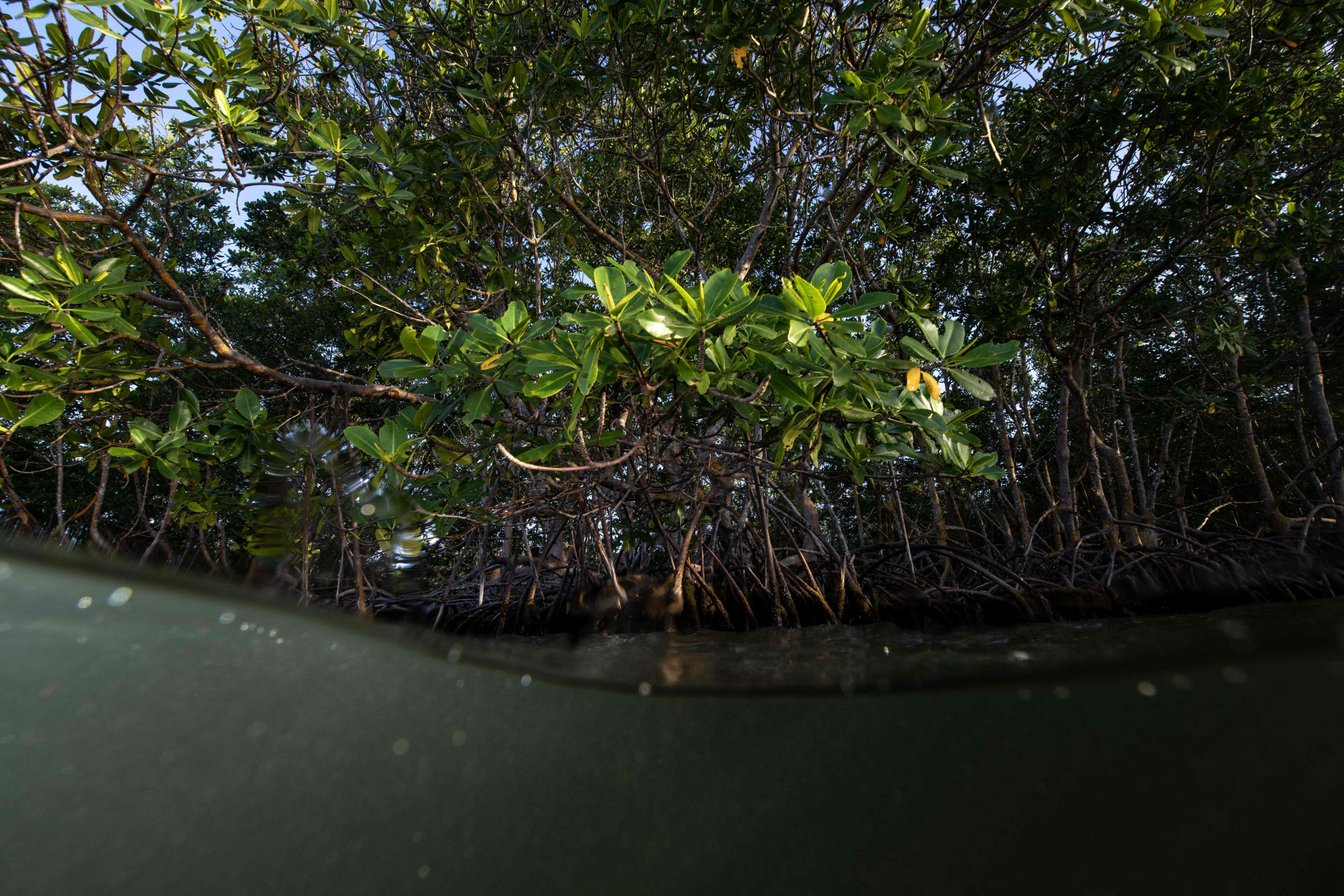
And when I say nature, I’m talking about the forests, I’m talking about oceans, and mangroves and corals—they all play a critical role.

Now if it’s that important, why hasn’t it been obvious within the climate change discourse? This is a narrative that we need to change. [Nature] hasn’t been there because it hasn’t been seen as fundamental. It’s been seen as ornamental, or it’s a nice thing to have. When some things are already there, we sometimes take them for granted, and nature is there, and it’s already absorbing half of our anthropogenic emissions for free.

So, the challenge is to move away from this myopic view of what climate action requires. But the worrying thing is that if we don’t act, the solutions that nature can provide have an expiration date. If we don’t meet the 1.5-degree target, most of the nature that we depend on will actually be lost.

What are examples of nature-based solutions that you find particularly exciting?

The first one I’ll mention is mangroves. Mangroves can absorb carbon five times better or more than tropical forests, which is so amazing. So, the global goal on mangroves is putting together a community of actors—government, private sector, civil society—to protect 15 million hectares [about 58,000 square miles] of mangroves by 2030 and secure financing.

On the coral reef breakthrough, we have a goal of protecting 125,000 square kilometers [about 48,000 square miles] of shallow tropical coral around the world with a financing of around $12 billion. And these two solutions can enhance the resilience of half a billion people around the world.

Recently there has been criticism of some nature-based solutions, especially carbon-offset forests or carbon-offset tree plantations. A recent study showed that in some cases those can do more harm than good. And Bill Gates during Climate Week in New York had some comments that were critical of using tree planting. What’s your perspective on that?

I’m surprised that nature fundamentally keeps being questioned while, as we breathe now, we depend on nature to provide the service. But one must take the time to understand where these challenging questions are coming from, and I think they come from the overall perspective of where nature falls within your mitigation hierarchy. You need to be able to reduce your emissions and move on a net-zero trajectory in addition to working on nature-based solutions. If you don’t do the first bits, then the nature-based solution can potentially be seen as greenwashing. So, it’s really important that we do the two together.

And then, within the nature-based solutions, of course there is tree planting and [there is] assisting living forests in a conservation effort linked to biodiversity. So, we have to really also understand that there are different tools, and there are some tools that are better than others, but it doesn’t mean you throw all the tools out.

I’ll give you an example. For a country like the UAE, we don’t have any forest, so for us planting is the best thing that we can do in our context. But in ecosystems that are thriving, then we have a responsibility to protect and enhance them as they are.

With the U.N.’s Conference of the Parties coming up very soon, what are your main objectives and the main opportunities to expand this nature-based approach and to make it more real in people’s minds?

I find that sometimes within the climate change discourse we spend a lot more time describing the scale of the problem and less time demonstrating actual and pragmatic solutions that exist today.

I’d like to see concrete actions led by countries to protect the world’s vital carbon sinks. Those could be forests, they could be in oceans. And I’d like to see a different sort of partnership. These challenges that we are talking about, they’re huge and they’re complex and cannot be addressed by one stakeholder alone. There needs to be a multi-stakeholder framework and partnership.

I’d like to see not only progress in the green economy, but also in the blue economy, ensuring that oceans and coral reefs have a prominent place.

What do you make of the criticism of the UAE as a host country because of the country’s deep connections to the oil industry?

I think 19 out of the 27 COPs were hosted in countries that produce fossil fuels, so this is not unique. But I think what is unique, at least from my regional perspective and my personal perspective, is the UAE has been and continues to be a leader in climate action. Of course, like all countries, we need to do more.

I’m from the UAE, born and bred here, everyone in my family used to be part of the oil and gas national company because that was our only source of jobs. That was, you know, 50 years ago. But today we’ve diversified away from that to 70 percent away from oil and gas, and so we want to continue on this transition.

Fossil fuels are a finite resource. With or without climate change, they are going to go, and so with that recognition we needed to evolve our economy away and diversify away from that one resource, and this is what we’ve been doing. Climate change ignites a more urgent transition to a greener economy.

I’m wondering how your family history influenced your decision to go into this area and take this leadership role with the IUCN?

I’m very privileged and grateful that I grew up in a home surrounded by a father, grandfather, siblings, all in public service, and so this was a very natural leaning that I had.

I also was always encouraged to do what I love, and I’ve always loved nature. I found solace in nature, but I’ve also found in nature and in the protection of nature an ability to hold onto my cultural roots. The UAE is a country that boasts a beautiful coast and some of the most beautiful desert dunes that have shaped our tribal system, that shaped who we are, it shapes our poetry. So I’ve had this affinity to nature for a very long time and was privileged to be born in a country with enlightened leadership that recognized that if we don’t protect nature alongside our development, we would lose sight of who we are as a people.

Texas river flood after massive water level increase overnight

0

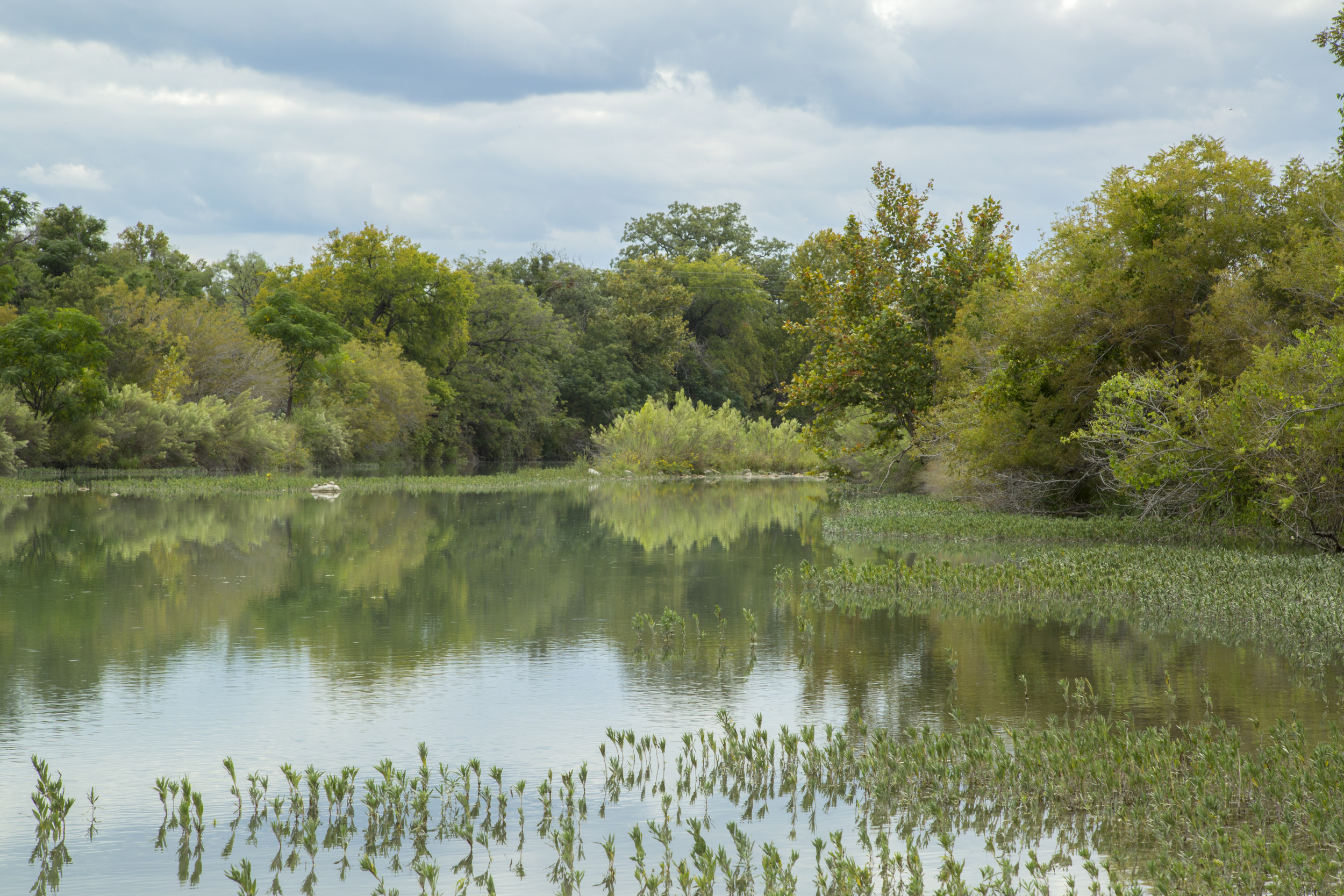
A river’s water levels in drought-stricken central Texas increased dramatically overnight on Wednesday after heavy rains doused the region.

Texas has suffered from severe drought throughout the summer with the water levels in many lakes, reservoirs, and rivers dropping as a result. As of Thursday, the entirety of Llano County in central Texas was suffering from severe drought, with nearly 45 percent of the county battling exceptional drought, according to the U.S. Drought Monitor Map. “Exceptional” is the worst classification of drought by the U.S. Geological Survey (USGS).

Llano River levels have remained low throughout the summer but jumped by 10 feet overnight after heavy rains pummeled the region. Parts of Llano County received at least 7.5 inches of rain through 7 a.m. local time on Thursday, according to the National Weather Service (NWS) office in San Antonio and Austin. The rainfall supplemented the Llano River, which entered a moderate flood stage.

AccuWeather senior meteorologist Tom Kines told Newsweek that some showers may continue throughout the day, but the heaviest rain has moved to the east.

“The Llano River at Llano has now passed through a stage of 12 feet, which puts it in moderate flood stage,” the NWS posted on X, formerly Twitter, Thursday morning.

“The river is expected to remain in flood stage through early evening today. Continue to stay aware for possible rising water along this portion of the Llano River today.”

Videos of the rushing river were shared on social media.

“Heavy rains overnight created localized flash flooding and saw the Llano River at Llano, Texas cresting a short while ago at 32,000 [cubic feet per second] and 12.7 ft,” social media user Will Leverett posted on X. “Storms have now passed here in Llano but a Flood Warning remains in effect.”

The USGS gage for Llano River at Llano jumped by 10 feet overnight on Wednesday. KVUE meteorologist Shane Hinton said the river was expected to peak at 14.6 feet before lowering throughout Thursday evening.

“This is the highest peak since June 2016,” Hinton posted on X Thursday morning.

Hinton touted the rainfall as “incredible” in a follow-up post on Thursday morning.

The rushing water was headed toward Lake Travis, according to a post by TravisCountySevereWx, which was cause for celebration for Austin-area residents. Lake Travis has also suffered from low water levels because of the drought, exposing hidden pecan groves and a concrete dock previously buried under the reservoir. Several boat launch ramps closed at the lake this summer due to the low water levels.

“Best news I’ve seen in quite a while,” one user responded to the post.

The most recent U.S. Drought Monitor Map was shared Thursday and shows drought impacts through Tuesday. An updated map is shared weekly on Thursdays. Kines told Newsweek that the rain will aid Llano County’s drought issue.

“They need more than this, but it’s certainly a step in the right direction,” Kines said, adding that the weather pattern is “transitioning into something that could lead to normal or above normal rainfall for that area over the next couple of months.”

This simple diet change will improve your health and save the planet

0

Reducing your diet’s carbon footprint can be a confusing and often daunting task.

One in four Americans is trying to eat less meat, and one-third of Americans drink non-dairy milk every week, a Gallup poll in 2020 found, but does eating green mean you have to give up meat completely?

In a new study published in the journal Nature Food, researchers from Tulane, Stanford and Harvard Universities revealed how simple food swaps can significantly cut your carbon foodprint without requiring you to totally change what you eat.

“This study shows that cutting dietary carbon emissions is accessible and doesn’t have to be a whole lifestyle change,” Diego Rose, senior author and nutrition program director at Tulane University School of Public Health and Tropical Medicine, said in a statement.

“It can be as simple as ordering a chicken burrito instead of a beef burrito when you go out to eat. When you’re at the grocery store, move your hand one foot over to grab soy or almond milk instead of cow’s milk. That one small change can have a significant impact,” he said.

In their study, the team analyzed diet data from over 7,700 Americans and identified commonly eaten food with the highest climate impact. They then calculated how an individual’s carbon footprint would change when these foods were replaced with nutritionally similar, lower-emission options.

“For us, substitutes included swapping a beef burger for a turkey burger, not replacing your steak with a tofu hotdog,” Anna Grummon, lead author of the study and assistant professor of pediatrics and health policy at Stanford University, said. “We looked for substitutes that were as similar as possible.”

Roughly 26 percent of the world’s man-made greenhouse gas emissions come from the production and distribution of food, scientists estimate, but not all foods are equal when it comes to emissions. Over half of these emissions come from livestock farming, the United Nations Food and Agriculture Organization estimates, despite meat providing only about a fifth of the world’s calorie consumption.

Of these emissions, 62 percent are caused by cows alone, which produce at least 5 times more greenhouse gas emissions than chicken per kilogram of protein, according to data from the FAO. Therefore, switching beef for lower-impact meat like chicken could significantly impact your carbon footprint.

While red meat is a useful source of iron and protein, studies have linked the over-consumption of red meat to an increased risk of cancers, heart disease and stroke.

“There is overlap between sustainable diets and healthy diets,” Grummon said. “Our study shows that changing just one ingredient, making one swap can be a win-win, resulting in meaningful changes in both climate outcomes and how healthy our diets are.”

In total, the team found that making these simple dietary substitutions could reduce the average American’s carbon foodprint by roughly 35 percent while also boosting diet quality by 4 to 10 percent. The largest projected reductions in emissions were seen in mixed dishes like burritos and pasta, where it’s easy to substitute a lower-impact protein instead of beef.

While the researchers emphasize that these simple substitutes are not a cure-all for global climate objectives or personal health goals, they do demonstrate that small, consistent changes can have a large impact.

How space junk is making the sky more metallic

0

As several decades’ worth of satellites and spacecraft have fallen back to Earth, their flaming-hot atmospheric reentries have started polluting the stratosphere with metal.

Data collected by a high-altitude research plane over the Arctic during a National Oceanic and Atmospheric Administration (NOAA) mission, revealed that 20 different metallic elements that do not naturally occur in Earth’s atmosphere were present. This including silver, iron, lead, magnesium, titanium, beryllium, chromium, nickel and zinc.

As revealed in a paper published in the journal PNAS, the scientists state that this metal pollution in the stratosphere is likely due to the huge amount of space junk we have in orbit falling back into the atmosphere one by one.

“About half of the particles in the stratosphere naturally contain small amounts of iron, magnesium, and other metals from meteors. Right now there is much more iron from meteors than metals from reentering satellites and rocket boosters. However, the metals from reentry are different from those in meteors, so reentry is introducing new metals into the stratosphere,” Daniel Murphy, a research chemist at the NOAA Chemical Sciences Laboratory, told Newsweek.

The foreign metals were found embedded in around 10 percent of sulfuric acid particles that largely make up the stratosphere, which is the atmospheric layer between 7.5 and 31 miles above the ground. The scientists worry that with increased satellite launches in the coming years, the level of such metals in the atmosphere will increase as these satellites reenter, jumping to being embedded to as much as 50 percent of sulfuric acid particles.

“With expected increases in the number of satellites, the amount of aluminum and other metals from reentry could become comparable to the amount of iron and other metals from meteors,” Murphy said.

The potential for this increased metal level in the stratosphere to cause harm to humans is still unclear, the scientists say, but it is not likely to directly affect peoples’ health.

“We are just becoming aware that the metals from spacecraft reentry end up in particles in the stratosphere so we don’t yet know the possible impacts on the stratosphere. We haven’t observed any definite impacts but but it is uncomfortable to not know whether or not there are impacts from this rapidly growing industry,” Murphy said.

“We do not think there is much chance of direct health effects on humans compared to the much larger emissions from industrial processes at ground level. Any harm, if it occurs, would be indirect through changes in the stratosphere.”

Over 15,000 satellites have been put into orbit around the Earth since the 1950s. There are 8,774 satellites currently in orbit around the Earth as of October 25, according to the tracking website Orbiting Now. There is also a huge amount of space junk and debris in orbit, with millions of minuscule chunks of metal zooming around the planet.

Two of the most surprising elements the scientists saw in the aforementioned particles were niobium and hafnium, both of which are rare elements that are not expected in the stratosphere, but are used in heat-resistant, high-performance alloys.

Do you have a tip on a science story that Newsweek should be covering? Do you have a question about satellites in orbit? Let us know via science@newsweek.com.

"Acapulco will rise," governor says in wake of Hurricane Otis destruction

0

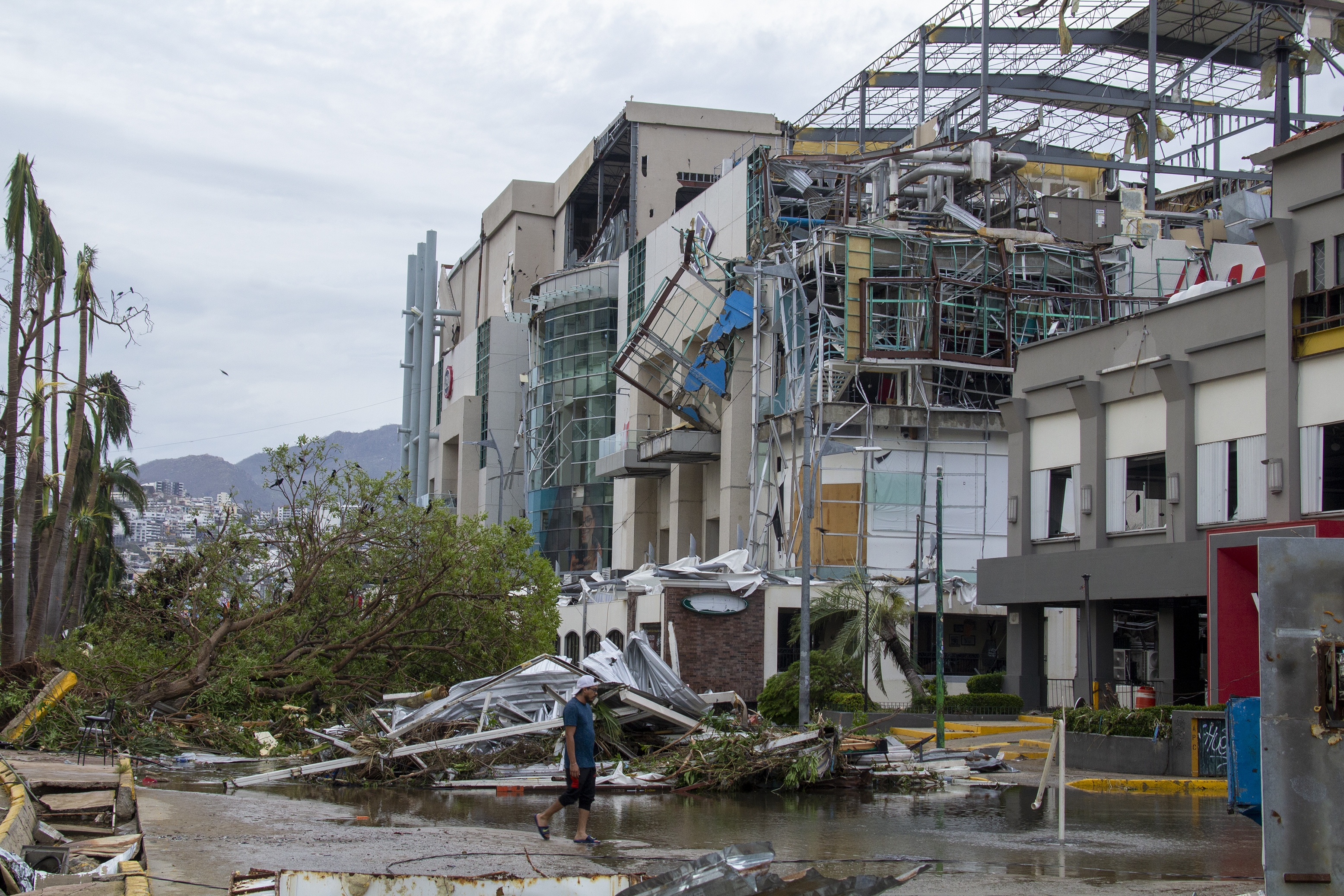
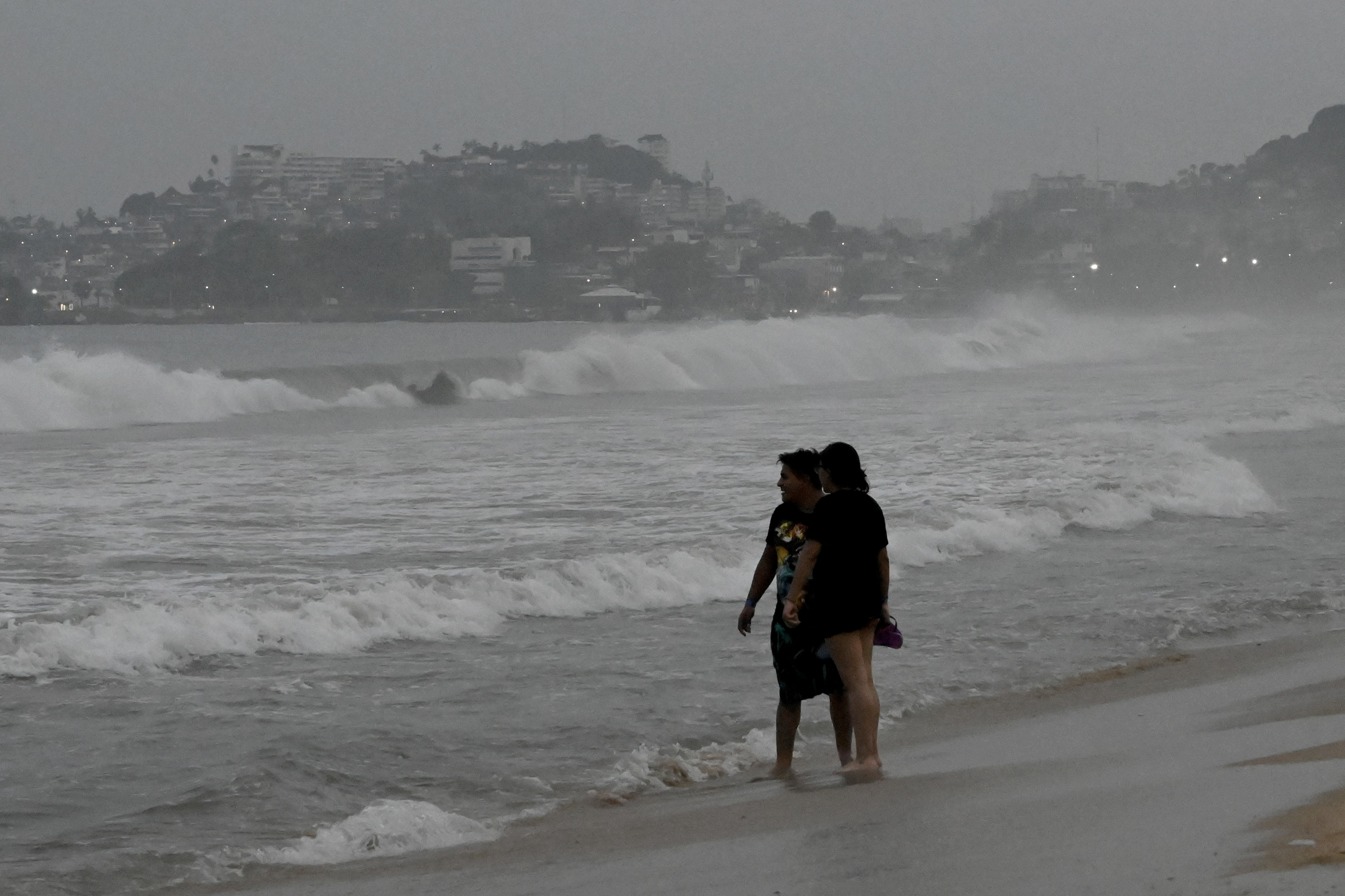
Recovery efforts are beginning in Acapulco, the resort town along Mexico’s southern Pacific Coast that was pummeled by Hurricane Otis earlier this week.

The ferocity of Otis, which grew in strength from a tropical storm to a Category 5 hurricane in a matter of hours, took many weather experts by surprise. While the storm had “disastrous” impacts after making landfall in Acapulco early Wednesday morning, Mexican President Andrés Manuel López Obrador credited residents with taking precautions to find shelter and protect themselves, which he said helped avoid higher casualty numbers.

At least 27 people have died as a result of the hurricane, López Obrador said Thursday. At least four others are missing, according to the Associated Press.

About 10,000 troops with Mexico’s armed forces were in the area Thursday to support the federal government’s response, and more than 1,000 workers with Mexico’s Federal Electricity Commission were working on restoring power to communities that lost service during the storm. None of the power poles in Acapulco were still standing after the storm tore through, López Obrador said during a Thursday press conference.

Evelyn Salgado, governor of Mexico’s Guerrero state, wrote in a Thursday update on Facebook that the area is “slowly” regaining internet connectivity as more workers are able to access impacted areas. It was unclear Thursday afternoon exactly how much of Acapulco, which in 2020 had a government-estimated population of about 852,000, lost power during the storm and was still without it.

Newsweek reached out to the governor’s office by email on Thursday for additional information.

Salgado said in a series of social media posts that local communities are “not alone” and will have help to “rehabilitate and improve this legendary and beautiful port of Acapulco.”

“Acapulco will rise, we will go ahead and stronger than ever,” she wrote in one update.

Photos and videos shared online in the wake of Hurricane Otis captured its significant destruction. Before-and-after photos showed how the storm tore apart shopping malls, hotels and apartment buildings. Debris coated streets within the city, while mudslides blocked access to some roads just outside it, making for a difficult entry for people sent to help.

By Thursday morning, López Obrador said fuel service was “guaranteed” and health services were available to everyone in Guerrero. Government workers were expected to begin traveling throughout the area on Thursday to assess damage to homes, businesses and farms. Early next week, national banking and finance officials plan to meet for discussions on Acapulco restoration strategies, the president said.

Air pollution linked to earlier puberty in teenage girls

0

The effects of air pollution on the human body extend far beyond a tickly throat. Concerns over fertility have already been raised by numerous scientific studies, and researchers have now identified links between air pollution and puberty onset in young girls.

Worldwide, exposure to the fine particulate matter in polluted air causes 7 million deaths every year, according to estimates from the World Health Organization, and more than 1 in 3 Americans live in counties with unhealthy levels of air pollution, the American Lung Society reports.

These tiny particles can penetrate deep into the lungs and cardiovascular tissues, causing heart and lung disease as well as respiratory infections. Moreover, we are increasingly learning that, by entering our bloodstream, these particles can interfere with processes throughout the body, including our reproductive organs.

“Particulate matter contains microscopic solid and liquid droplets that are so small that they can be inhaled into the deepest part of the lungs, enter the bloodstream and reach many downstream target organs, including the ovaries and other reproductive organs,” Robert Hood, a postdoctoral trainee fellow at Emory University’s Rollins School of Public Health, told Newsweek.

In a recent study published in the journal Environmental Health Perspectives, Hood and his team collected data from more than 5,200 girls across the United States to determine if childhood exposure to ambient air pollution could affect the age at which girls had their first period.

“[We] found that higher exposure to PM2.5 throughout childhood was associated with earlier age of [a first period] in a large, prospective cohort of girls in the U.S.,” Hood said.

He went on: “We think that particulate matter may primarily affect puberty onset by disrupting the endocrine system, or more specifically the hypothalamic-pituitary-ovarian axis which is the key regulator of hormones and reproductive development. Another related pathway is through increasing the risk for childhood obesity, which is one of the best-characterized risk factors for earlier puberty onset in girls.

“Although the magnitude of effect was modest, it’s important to remember that relatively small impacts on individuals could result in noteworthy influences on population health,” Hood said.

The age at which a young person starts puberty is influenced by a range of environmental factors as well as genetics, said Anna Merklinger-Gruchala, a researcher at the Andrzej Frycz Modrzewski Krakow University’s Faculty of Medicine and Health Sciences who studies the impact of air pollution on women’s health.

“Girls experience [their first period] at different ages, but usually, in contemporary economically developed countries it occurs between the ages of 10 and 16 years,” she told Newsweek. “The onset of puberty can be influenced not only by genetics but also by environmental factors. But the data on the impact of air pollution is scarce.”

Aside from the inconvenience and potential embarrassment of starting your period before all of your friends do, early-onset puberty can have more serious health consequences.

“Early puberty can be associated with many problems, including mental health, such as changes in behavior, but also physiological consequences,” Merklinger-Gruchala said.

“Earlier puberty increases the risk of obesity and numerous conditions such as hypertension, metabolic syndrome and cardiovascular diseases…. Furthermore, the longer the lifetime exposure to ovarian steroid hormones, the higher the risk of hormone-related cancers, such as breast cancer,” she said.

Early-onset puberty may also affect long-term fertility. “In general, the earlier women start their reproductive years, the earlier they end them, so earlier menarche could mean a quicker onset of reproductive decline leading to menopause, which could impact the ability to conceive in later reproductive years,” Hood said.

Hormonal disruption may also have wide-ranging impacts on the reproductive system. “Any disturbances in the concentration of ovarian steroid hormones can lead to a disruption in the reproductive functions in women, such as subfecundity, variable menstrual cycle length and also miscarriage, stillbirth as well as other poor pregnancy outcomes,” Merklinger-Gruchala said.

“Air pollution exposure may also enhance the risk of polycystic ovary syndrome, characterized by having many small cysts on the ovaries, which is often associated with lacking of ovulation, having high levels of androgens, irregularity of menstrual periods and infertility,” she said.

Although women are born with all the eggs they will ever have, these eggs continue to develop throughout a woman’s reproductive years. “Slow growth and regional and cellular differentiation of the ovary still continues through the onset of puberty, which presents an additional window for environmental exposures, such as air pollution, to disrupt gonadal development,” Hood said.

In other words, air pollution can affect egg cell quality. “Beyond our study, we have some evidence linking air pollution, again specifically particulate matter, with ovarian reserve and [egg cell] maturation, two important parts of female fertility,” Hood said.

Clearly, air pollution poses a public health risk. But what can you do to minimize your exposure?

“On a personal level, people can try to limit their exposure to air pollution, such as avoiding going outside when there are air pollution alerts,” Hood said.

“People can also wear masks during times of high air pollution and ensure the air filters in their homes and cars are replaced regularly. On a larger scale, we can advocate for better control of air pollution and stricter standards for acceptable levels of air pollution,” he said.

Timelapse shows Hurricane Otis plunge Acapulco into darkness

0

Hurricane Otis’ intimidating landfall plunged the resort city of Acapulco, Mexico, into darkness in minutes.

The hurricane rapidly intensified from a tropical storm to a Category 5 hurricane in only 12 hours on Tuesday afternoon and approached Mexico’s southern Pacific coast with maximum sustained wind speeds of 165 miles per hour. The rapid intensification gave Acapulco and nearby towns little time to prepare or evacuate residents, and meteorologists warned of the devastating storm surges and life-threatening coastal flooding. Some meteorologists even referred to the incoming storm as a “nightmare” scenario.

El Niño was partially to blame for the storm’s rapid intensification, according to AccuWeather.

“This phenomenon is characterized by water temperatures in this part of the Pacific being warmer than historical average which helps add more fuel to strengthen storms given other favorable conditions (such as low wind shear),” an AccuWeather spokesperson told Newsweek in a statement.

The storm’s 12-hour rapid intensification with winds jumping in speed by 80 miles per hour “was the fastest by an Eastern Pacific storm in the satellite era” since 1966, according to AccuWeather. The storm’s 24-hour rapid intensification of around 110 miles per hour is tied for sixth fastest in the world.

Among severe damages, Hurricane Otis plunged more than 500,000 power users into total darkness as it ravaged Mexico. A timelapse shows how most Acapulco residents were plunged into darkness over a three-hour timespan Tuesday night.

“Acapulco, a city of 1 million people, has now been plunged into almost total darkness as Category 5 Hurricane Otis makes landfall,” social media user Nahel Belgherze posted on X, formerly Twitter, early Wednesday morning.

The timelapse is composed of two photos from a webcam in Acapulco. The first photo was taken at 8:09 p.m. local time Tuesday night and showed bright lights covering the coast. The second photo was taken just before midnight. Nearly all the lights had gone out.

A timelapse video taken from a separate webcam showed the severity of the storm’s impacts in only a 6-minute period. The timelapse video was taken just after 11 p.m. Tuesday night local time and showed swaths of lights flickering out.

“6-minute timelapse of the Acapulco Bay shoreline steadily losing power tonight from Hurricane Otis. The worst isn’t even in the area yet…” social media user Weather Track US posted on X, formerly Twitter, early Wednesday morning.

As of Wednesday, 504,340 customers were affected by power outages, Mexico’s national electric utility Comisión Federal de Electricidad (CFE) announced. CFE has restored electricity service to 202,932 users so far. Nearly 37 percent of users in the state of Guerrero, Mexico, which includes Acapulco, were impacted by the power outages.

Make your money greener: Eco-friendly ways to save, bank and borrow

0

From using reusable bags and paper straws to turning up (or down) our thermostats when the temperature is at extremes, we’re all looking for ways to make more sustainable choices these days. That increasingly extends to the decisions that we make about our money, as a growing number of financial services companies have introduced green product options, from mortgages and car loans to credit card, savings and checking accounts.

“Green financial products are a natural evolution of what conscious customers want,” says Jay Lipman, co-founder and president of Ethic, an asset manager that works with investors and wealth advisors on sustainable investing.

Four in 10 U.S. consumers say they’re interested in enrolling in a green-linked financial product, according to data from McKinsey, with two-thirds of them saying they’d allot up to 40 percent or more of their savings or credit card spending to such a product. And the interest cuts across demographic lines, shared by city dwellers, suburbanites and rural residents, and by people of all income levels.

With so many new green financial offerings on the market, though, it can be hard to figure out which ones make sense for your financial situation—and which ones are actually delivering on their environmental promises versus those that are simply greenwashing.

Here’s a look at some of the green financial products on the market—and what you need to know before deciding whether they’re right for you.

GREEN MORTGAGES

Some mortgage lenders will provide more favorable financing terms for incorporating eco-conscious product options like Energy Star appliances and programmable thermostats into your new home, as well as for bigger projects like upgrading your HVAC system or installing new windows, solar panels or insulation.

Available through lenders that offer conventional mortgages backed by Fannie Mae or Freddie Mac, “Energy Efficient Mortgages” typically allow homeowners to borrow an additional 15 percent of a home’s value for green improvements approved by an energy assessor. The additional funds remain in an escrow account until used, and the improvements must be made within six months. (There are also EEM programs available through mortgages backed by the Department of Veterans Affairs and the U.S. Department of Agriculture, with slightly different rules).

Look for a lender that provides EEM mortgages (any lender that does home improvement loans should be able to make an EEM loan) at the start of your search if you’re using the mortgage to purchase a home. That’s because it may take time to get the home assessor in and quotes from contractors, so you’ll want to start that process right away.

“If you already found the house and made an offer, but then you want to switch to a green mortgage, you’re swimming upstream and could delay your closing,” says Kevin Kane, chief economist with Green Homeowners United.

Already a homeowner and looking instead for a loan to finance a specific green home improvement project, like upgrading your insulation, installing energy-efficient windows or moving to a more efficient heating and cooling system? With mortgage rates near 8 percent lately, it doesn’t make sense to free up cash by refinancing, particularly if you locked in a 2 percent or 3 percent mortgage rate a few years ago. But there are a growing number of subsidized loans available to consumers for projects that fall between $2,500 and $35,000, says Matthew Brown, co-chair and founder of the National Energy Improvement Fund.

To find these loans, first check your utility company’s website. Many utilities facilitate no- or low-cost loans for eco-smart projects, such as those that improve a home’s energy efficiency, with terms tied to the life of the equipment; some allow consumers to pay them off through their monthly utility payments. If your utility is not among them, check your state energy department’s website for similar programs, or look for a contractor that offers financing via the contractor directory at NEIF.org.

The availability of favorable financing for energy improvement home projects is set to dramatically rise over the next few years as additional money for subsidized loans flows to the states under the Inflation Reduction Act (IRA) passed by Congress last year. “The IRA set aside $20 billion to support the creation of green banks that will provide money for interest rate buy downs or to cover the risk to a lender,” Brown says. “Financing for these improvements is going to become even more attractive than it already is.”

CREDIT CARDS

Perhaps the broadest category of eco-marketed financial products, credit cards that bill themselves as green range from cards made of recycled materials to those that donate a portion of their profits to environmental causes, to those that pay bonus rewards when you make eco-friendly purchases.

As with banks, you may want to consider the broader environmental record of the card company, since some issuers may also have other products or business lines that invest in non-Earth-friendly causes or companies. In addition, traditional cards typically offer richer rewards, so if you’re looking to quickly build points toward your dream vacation or count on the cash back from purchases to pad your emergency fund, you could be giving up more than you bargained for.

“You will almost certainly be sacrificing increased rewards to have a credit card marketed as green,” says credit card expert Jason Steele. “For some this might be worth it. Others may prefer to earn additional cash back or other rewards and donate to an environmental cause.”

That said, if you spend a lot in eco-friendly categories, it might make sense to use a green card for those purchases. The Visa Future Card, for example, pays 5 percent cash back for purchases from eco-focused partners and provides rewards for cardholders for completing “missions” such as purchasing refurbished tech or switching to electric energy at home.

Other cards send a portion of all proceeds to an environmentally friendly organization. The Green America Visa card, for example, helps fund Green America’s sustainability efforts while the Ducks Unlimited Visa rewards card supports wetlands and waterfowl conservation.

Finally, it’s worth remembering that while getting green rewards for purchases you’re making anyway may make sense, reducing consumption generally—buying fewer things in the first place—is typically the path to make the greatest impact.

“I’m far more concerned about the environmental impact of what I purchase, rather than how I purchase it,” Steele says. “However, switching to paperless statements is one easy way to reduce the impact of your credit card use.”

AUTO LOANS

If you’re purchasing a new or used electric or hybrid vehicle, some lenders offer green auto loans with discounted rates of 0.25 percent to 1 percent. The terms of these loans can vary significantly, so shop around, including getting quotes from credit unions and online lenders, to make sure you nab the best deal.

The application process for a green auto loan is similar to that of a traditional car loan, but depending on the lender, the hybrids may need to come in above a certain miles-per-gallon threshold or hold a SmartWay certification from the Environmental Protection Agency. Green auto loans are also available to current car owners looking to refinance an existing loan.

Some lenders offer additional financing to cover the cost of installing an EV charger in your home, which typically ranges from $545 to $1,374, according to homeadvisor.com. Some manufacturers will also cover this cost if you’re purchasing a new vehicle.

You may be able to further reduce the cost of your EV (and your monthly loan payments) by taking advantage of federal rebates and tax credits as well as any available state or local utility incentives. Find out which ones might be available to you by entering your zip code at Electricforall.com/rebates-incentives.

SAVINGS ACCOUNTS

A growing number of banks, fintech companies and credit unions now offer so-called “green” savings accounts, in which they offer market-rate interest but promise to invest deposits in local or environmentally friendly projects.

While large banks may offer a green or sustainable account, they may also have other divisions that invest in less eco-friendly business or initiatives. If you’re interested in a bank in which all investments use a green lens, you may want to find one that has Certified B Corporation Status (search the directory at bcorporation.net); is a member of the Global Alliance for Banking on Values (see the list of members at gabv.org); or has earned the “Just” label from the International Living Future Institute (click on the organizations database at just.living-future.org/). These certifications require banks to meet certain green standards for investments and monitor that they’re sticking to such promises over time.

“Certifications that require third-party assessments are the gold standard for consumers who are looking for trustworthy green banking options,” says Monique Johnson, senior vice president of client and community partnerships at Beneficial State Bank.

Financial institutions that regularly make the cut for these or other green certifications include Amalgamated Bank, Atmos Financial, Southern Bancorp and Spring Bank, along with many other banks and credit unions. And while consumers have indicated a willingness to settle for a lower yield on their savings in exchange for doing business with a bank in line with their climate values, according to the McKinsey report, that may not be necessary. Spring Bank’s Savings Account, for example, was recently paying 4.25 percent to customers with at least $100 in their accounts, while the Atmos Financial Climate-Positive Savings Account offers rates ranging from 1.75 percent to 3.5 percent with no minimum balance requirements and no monthly service fees.