
Thursday, March 12, 2026
Home Blog Page 68

My divorce was painful. But do I really need a partner?

0

Some people, particularly women, believe they’ve failed because they’ve been divorced. But I don’t think of it that way.

Yes, it’s painful and heartbreaking and can take people and families years to truly recover. But if you’ve done the work of extricating yourself from a relationship that wasn’t right for you then you should be proud of yourself, not ashamed.

I got married at the young age of 25. I met my husband at a time of personal and familial turmoil and was very vulnerable and fragile. He was a kind and good man who made me feel seen and safe.

But in a long-term relationship between two committed people there can be many moments that are make-or-break. Over our 18 years together we hit rough patches around many common trouble areas for young couples—having kids, navigating families, moves, careers.

We tried our best with therapy; changing up communication styles and self-work. Fundamentally, the trade-off came for me when I realized I was losing core parts of myself in order to simply maintain the status quo in my marriage, to not rock the boat.

It took me years to leave after that because we were both so committed to making it work for ourselves and we wanted to give it our sincerest effort for our children.

In many ways, we live in a time in which it’s great to be a divorced woman—there are fewer cultural stigmas, resources abound, and many templates for non-traditional families that are genuinely happy.

On the other hand, it is a huge transition, and you must give yourself space to feel the feelings. I coped by leaning heavily on my friend circle. I was specific about when I needed help.

“I am feeling lonely without the kids, can you come be with me? I am looking to grow my business, will you brainstorm with me? Can you watch the dog while the ex and I Iearn how to reallocate chores and tasks?”

I tapped into my spiritual practice, which includes prayer, meditation, yoga and simply being in nature. I made a conscious effort to be around things that felt nourishing—my work, good people, music and my family. I cried a lot, and for many days, I just let those tears flow.

In the years following my separation, I learned that no matter how brave and independent you think you are, being uncoupled is a terrifying thing—especially when you’ve been married as long as I had.

I believe there are also a number of specific negative narratives that accompany divorces for women. That you will get screwed over in the finances. That your ex will end up with someone younger and hotter, while you age and die alone. That your kids will never forgive you. That society will shun you.

These things can, and have, been true in the past. But I learned that if you swallow every fear-based pill that people offer—even well-intentioned ones—then you will ultimately choke.

I had to do the hard work of deciding which stories, negative or otherwise, were true for me and which weren’t. I had to be strong for my own interests but I was eager to lead with compassion and love. My story was going to have its own narrative and in the end, I was going to be neither victim, nor completely embittered.

Since my separation, I have had people try to matchmake me like crazy. After all, as a sexuality researcher, I talk about sex for a living.

But the honest truth is that I am not entertaining the idea of another partner at this stage in my life. I believe that anyone after the end of a long-term relationship should be with themselves, reconnecting with lost parts and recalibrating.

My priority is to spend the most present and fulfilling time that I can with my kids, with my family, on my work and with my incredible friend circle that resides around the world.

Because dating is not a priority for me, I haven’t been putting much energy into it. I tried one dating app and had the most hilarious experience of not knowing how to swipe sideways. I was scrolling down and wondering why all these men looked alike. Dating Apps for Divorced Dummies is a company I’d happily invest in.

I’m a true extrovert. I adore people and meet wonderful people everywhere I go, but I am just very honest about where I am in my life when it comes to dating.

I know this is the right thing for me now. My work around sexuality really anchors on knowing and honoring your true self and I think you get to explore who you are if you can resist the urge to jump into a new relationship after a break-up.

Withstanding the discomfort a little bit, the result can be deeply rewarding. I love the freedom and the independence and the control I have over my own life and decisions and I don’t miss the feeling that I am making someone else unhappy, which is what can happen when a partnered relationship starts to fall apart. And if you’re a deeply empathetic person like me, that’s a nauseating feeling to withstand.

Of course, I would consider another relationship in the future—I’m a lover, not a fighter. I don’t imagine being single forever. But not for now, and in what form that relationship will be—I don’t know. Will it be a monogamous relationship, a civil partnership, an open marriage? I’m open to it all.

But If I don’t do the work of getting to know who this woman is now, outside of the context of a relationship, then I am sure to fail myself, my children, and future partners.

I think women who are divorced have a much better sense of what they don’t want, and the compromises they will not make. And for many of us in 2023, the bar for a new relationship is high—can you add to a life that is full and fulfilled?

Mind you, as a divorced woman you don’t get to this place of unassailable power without doing the work of self-reflection and inquiry, understanding what went wrong in your relationship and your role in it.

Otherwise, you’ll find yourself back to square one in another relationship repeating those patterns.

Kaamna Bhojwani is a sexuality researcher with a specialization in shame and spirituality. You can follow her on Instagram at @kaamnalive.

All views expressed in this article are the author’s own.

Do you have a unique experience or personal story to share? Email the My Turn team at myturn@newsweek.com.
Fact Check: Did Zelensky’s wife spend $1.1 million at Cartier in New York?

0

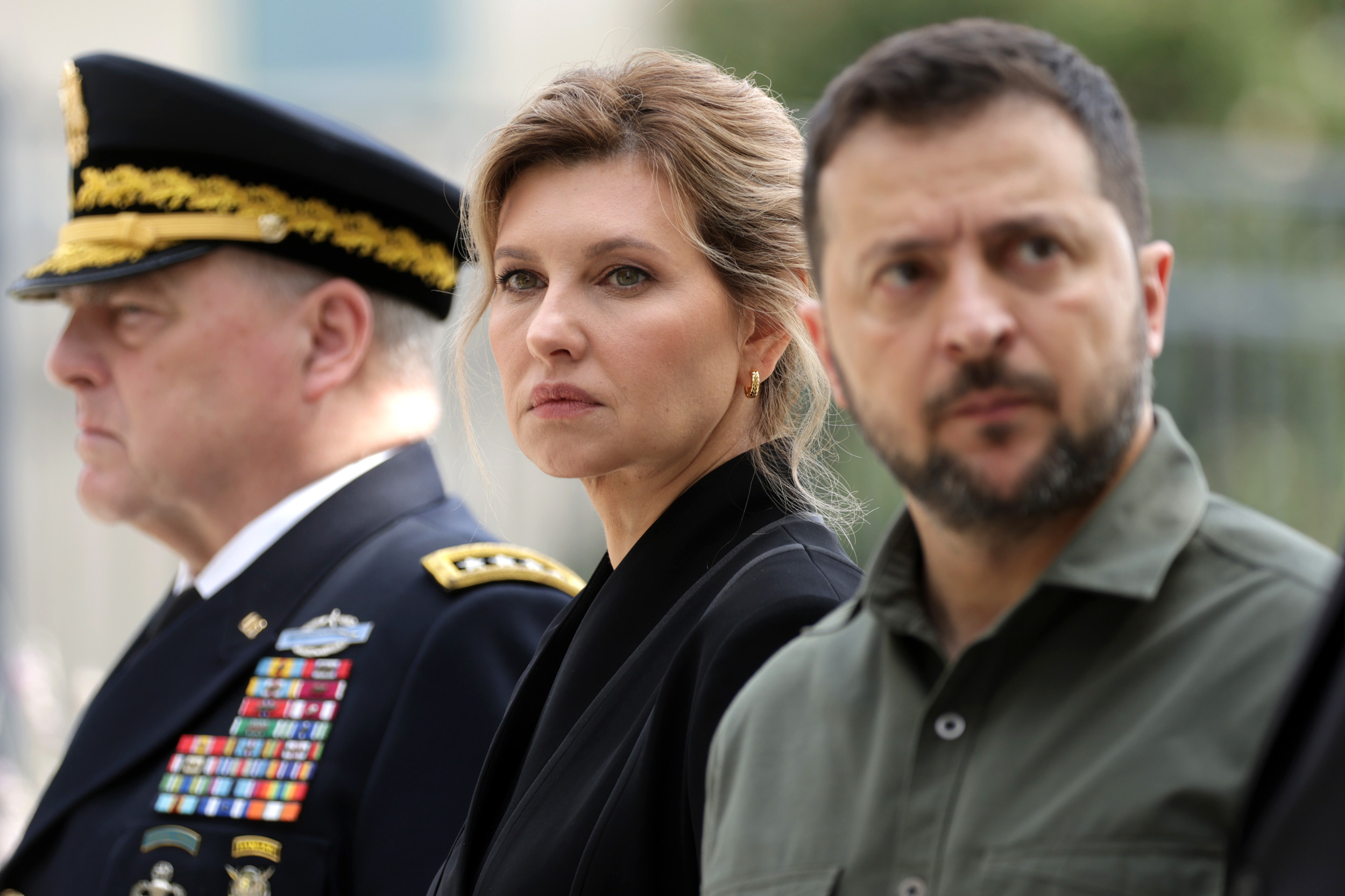
Ukrainian President Volodymyr Zelensky and first lady Olena Zelenska visited the U.S. and Canada on a joint trip recently, imploring continued support in their country’s war against Russia.

Appearing in Washington, D.C., and the U.N. General Assembly in New York, Zelensky urged lawmakers in Congress to maintain contributions, despite resistance among some Republicans for further funding.

However, according to one viral post this week, Zelenska had embarked on her own spending drive, with a claim that she spent $1.1 million on Cartier jewelry during a trip to the Big Apple.

The Claim

A post on X, formerly Twitter, by user @MyLordBebo, posted on October 4, 2023, viewed 599,400 times says: “🚨‼️🇺🇸 BREAKING: “Olena Zelenska spends $1,100,000 on Cartier jewelry in NYC and gets sales employee fired!”

“-> At least the money stays in the US.”

The post includes a video, which appears to be a recording of an Instagram story from user “gorgeous.bb.jeanette.” The video includes a recording of someone who claimed that while they were an intern at Cartier in New York, Zelenska visited the store where they were working.

The person claimed: “When I showed her some our pieces she just shouted directly at my face ‘Who said that I need your opinion?'” and that after Zelenska spoke to the manager, “I got fired.”

They added that as they were packing to leave, they printed a copy of a receipt of Zelenska’s purchases. A photo of the receipt can be seen at the end of the video, which mentions Zelenska’s name and a total bill of $1,110,520.

A slide at the end of the video says: “She got me fired for nothing so I will show her true face to everybody. She spends over a million at CARTIER while her country is at war. I’M SO P***** RIGHT NOW!!! Why couldn’t she come spend her stolen money and just go to the next boutique. WHY RUIN MY LIFE?!?!”

The Facts

Looking at the dates of Zelenska’s visit and other surrounding information, the claim is almost certainly made up.

The receipt in the video is dated September 22, 2023, when Zelenska was in Ottawa, Canada, with Zelensky. The pair visited the Canadian Parliament in Ottawa, with Zelensky giving an address mid-afternoon that day.

The first lady and the president arrived in Canada on Thursday evening, attending the Canadian Parliament from around midday Friday. Zelensky’s address ended at about 2:20 p.m., after which he attended a press conference with Canadian Prime Minister Justin Trudeau. The morning was occupied with other local engagements and meetings.

A live blog from Canadian broadcaster CTV News said that after the Parliamentary address, the Zelensky delegation went to evening meetings in Toronto.

Even if we were to assume that Zelenska was not part of that delegation or otherwise went to New York after attending Parliament, she would have had to have made it to Cartier in New York before 8 p.m. (the latest closing time in the city among its three stores).

Not minding the logistical complexities and diplomatic insult of leaving a Canadian political visit to go shopping in New York, and not to be noticed by any Canadian or global press, there are plenty of other reasons that this claim is fictitious.

Before the video on X was sent, there were no reports of a shopping trip or any other photos or evidence of her visiting Cartier or other retailers in New York during the trip. While she may have shopped while she was in New York, it’s unusual that no such photos were taken or reports made of that happening.

The receipt alone is no proof, either. Photos of Cartier receipts are widely available online and the document shown on social media is almost certainly a forgery.

The original version of the video posted on X, featuring someone who claimed to be a former intern of Cartier, could not be found. The username “gorgeous.bb.jeanette” which appears at the top of the video, is registered on Instagram, but the account is set to private, with no posts or followers.

Although the video could have been copied from another source by “gorgeous.bb.jeanette,” tha does not appear to be the case.

The video was shared initially via pro-Russian social media channels, a sign it may have been part of a disinformation effort. It was posted on Wednesday morning by Telegram user infantmilitario, and later picked up by other Russian and English-speaking channels.

@MyLordBebo, who shared the claim on X, has been associated with other misleading claims about characters and events associated with Ukraine. Last month, they shared a rumor, without evidence, that a drone strike in the Russian city of Pskov was fired from Estonia, a NATO country. Estonia firmly denied the claims and the rumor was not attributed to any reliable source. The X account regularly shares other anti-Ukrainian content.

Further, the Cartier claim has more than a resemblance to other misleading claims about Zelenska embarking on expensive shopping trips. In December 2022, unfounded rumors circulated that she had spent $40,000 during a spree in Paris.

Like this story, the rumor coincided with her arrival on a diplomatic visit. It was shared without evidence by a secretive news website in the northeast of England and an unverified American X account.

Newsweek has reached out to Cartier and the Office of the President of Ukraine for comment.

The Ruling

False.

The alleged Cartier receipt, used to claim that Olena Zelenska spent $1.1 million on jewelry in New York, is dated the same day she and President Zelensky were in Canada.

Looking at her itinerary, there is no realistic prospect that Zelenska would have been able to visit Canada and then fly to New York to go shopping without attracting attention.

Further, the social media account from which the claim came could not be found, apart from one private account with no posts or followers. The original source of the video that contained the claim could not be found. There were no reports of similar shopping trips while Zelenska was in the U.S. recently.

The claim was initially shared among pro-Russian social media channels that have been associated with misleading information about Ukraine and is similar to another misleading story about a Zelenska shopping spree published last year.

FACT CHECK BY Newsweek’s Fact Check team

False: The claim is demonstrably false. Primary source evidence proves the claim to be false. Read more about our ratings.

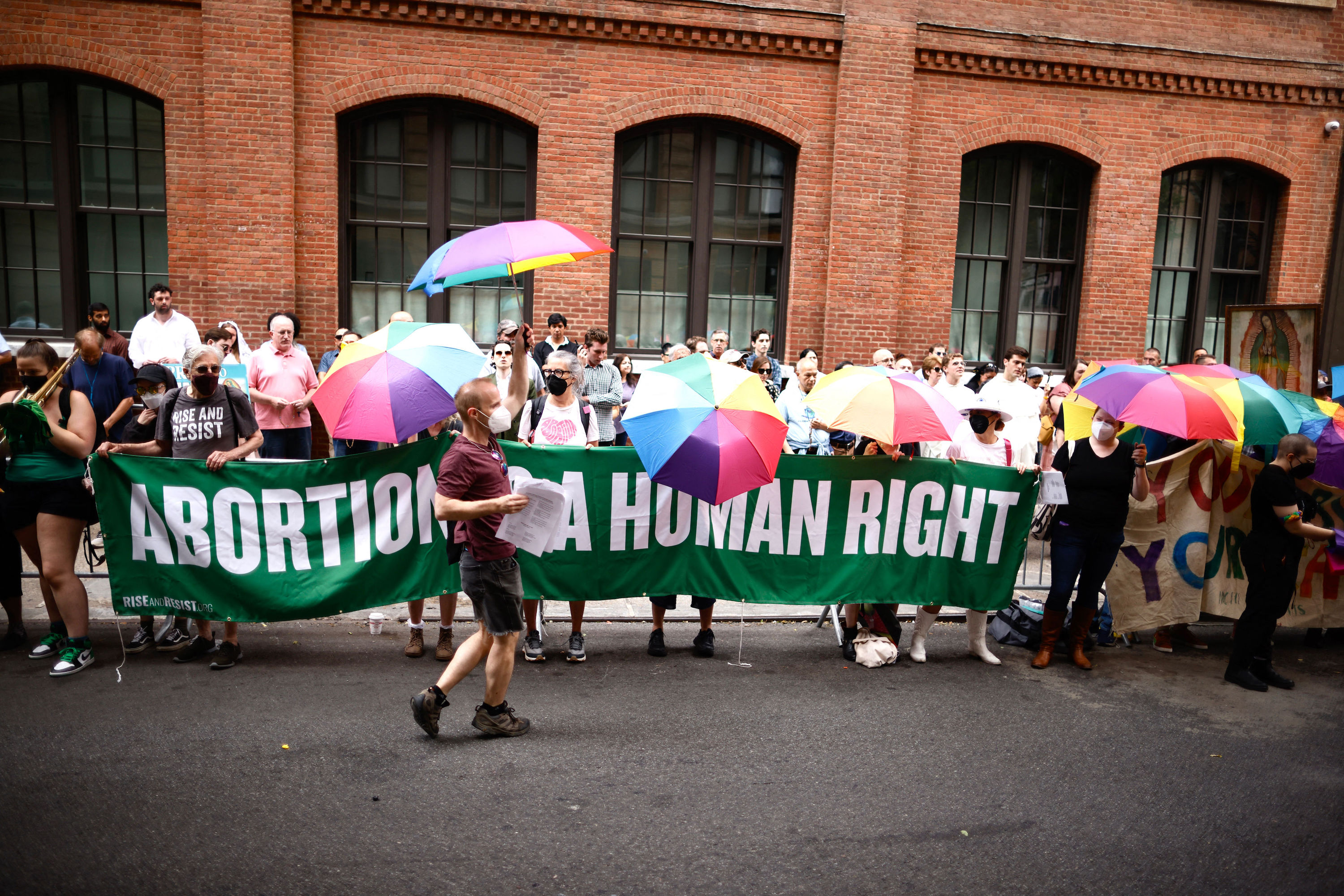
There’s Room for Middle Ground in the Abortion Wars

0

The abortion wars aren’t over, and the likely result won’t look much like what either camp is imagining today. Donald Trump understands this, as shown in his recent offer to bring both sides together for a compromise. Does anyone else?

A few lefty pundits do, which is why you see New York Times columns reassuring readers that yes, Donald Trump is still rabidly anti-abortion: “Trump is triangulating. He sees, correctly, that the Republican Party is now on the wrong side of the public on abortion. By rejecting a blanket ban and making a call for compromise with Democrats, Trump is trying to fashion himself as an abortion moderate, a strategy that also rests on his pre-political persona as a liberal New Yorker with a live-and-let-live attitude toward personal behavior. There is a real chance this could work.”

A lot of pro-life advocates, meanwhile, remembering Trump’s promise to get Roe v. Wade overturned, see this as a betrayal. But Trump kept his promise to appoint pro-life justices, and Roe v. Wade was in fact overturned. The question Trump is moving to answer, ahead of everyone else in the 2024 presidential field, is what comes next.

Immediately after Roe was struck down in 2022, many red states enacted strict abortion bans essentially banning abortion at any point during pregnancy. (Some were “trigger” laws passed years earlier, to take effect—be triggered—upon an overturn of Roe.) Many blue states, on the other hand, enacted super-liberal abortion laws allowing abortion at essentially any point during pregnancy.

This was an echo of the sharp moral and ideological divide that followed the Roe decision. But it didn’t have to be that way.

Before Roe, the democratic process was at work, with states like New York, New Jersey, and Colorado relaxing their laws to make abortions easier to get. Without Roe, that process probably would have continued, and the result would probably have wound up looking something like Europe, where abortion laws are considerably stricter than what Roe permitted, but fall far short of the sort of abortion bans that existed in most states before Roe, or that exist in many red states today.

When I tell my constitutional law students that most European laws resemble the Mississippi statute upheld in Dobbs v. Jackson (which banned abortion after 15 weeks but permitted it for essentially any reason up to then), they’re surprised, having assumed that anything in Europe must be more liberal than in the United States. But that’s not the case.

In Germany, women who want an abortion face a mandatory three-day cooling-off and counseling period. More than 20 European nations—like Ireland, which recently liberalized its abortion laws—ban abortion after 12 weeks. In Britain, a woman named Carla Foster was recently sentenced to prison for procuring an abortion at 32-34 weeks.

Sweden requires permission from the National Board of Health for a woman to obtain an abortion after the 18th week. Such permission is generally granted in cases of ill health on the part of the woman or the fetus. Abortions are illegal once the fetus is viable.

If Roe had never happened, perhaps the United States would have seen a widespread pattern of abortion being easily available until the 12th or 15th week of pregnancy, much more sharply limited after that, and banned past the point of viability.

Interestingly, that’s what polls show most Americans support. A recent Rasmussen survey showed that 56 percent of Americans think that abortion should be allowed only during the first trimester of pregnancy, with 23 percent believing that abortion should be available throughout, and 21 percent not sure.

People’s intuitions seem to tell them that early abortions are different from late ones. Miscarriages aren’t uncommon, especially in the first trimester (my wife and I had several), and while they’re sad, they don’t really feel like the death of a child to most people.

Post-viability, things feel very different. There’s a sense—captured in the Clinton-era Democratic slogan that abortion should be “safe, legal, and rare”—that the later in pregnancy, even pre-viability, the more important it is that a decision to abort not be a casual one. The later slogan “shout your abortion,” with the suggestion that abortions should be celebrated, sends a different message.

Now that the issue has been politically unfrozen post-Dobbs, I think we’ll see more movement beyond the extremes. That’s what Donald Trump is betting on, anyway.

Glenn Harlan Reynolds is a professor of law at the University of Tennessee and founder of the InstaPundit.com blog.

The views expressed in this article are the writer’s own.

General Motors returning to Europe, plans to sell Cadillac EVs

0

Cadillac is returning to Europe, where it will begin taking orders for its Lyriq electric vehicle (EV). Deliveries in Switzerland will start in the first half of next year. Parent brand General Motors hasn’t sold a car on the continent since 2017.

Cadillac said it will also bring its EVs to Sweden, France and three other countries but did not reveal a timeline for the introduction. The Lyriq EV has been on sale in the U.S. for over a year.

GM’s last outing in Europe was with the Opel and Vauxhall brands, which it had owned since the 1930s and sold to the PSA Group in 2017. That conglomerate became part of Stellantis in January of 2021.

Cadillac sold 2,316 examples of the Lyriq in the first half of 2023 here in the U.S. The most efficient, rear-wheel drive version has a range of 314 miles on a charge and 340 horsepower (hp). The upgraded Lyriq all-wheel drive delivers 500 hp and a range of 307 miles.

Range for U.S. models is measured differently than the way Europe estimates range, on the WLTP testing cycle, causing numbers to be different between the regions despite the vehicles being sold having exact same equipment.

The 2024 Cadillac Lyriq will sell Switzerland for 82,000 Swiss francs to star, which converts to $89,705. That price is close to other luxury EVs in the country like the Audi Q8 e-tron.

Tesla is the EV sales leader in Switzerland, followed by Volkswagen.

Cadillac says it will offer many of the same features in Europe as it does in North America including the Super Cruise hands-free, eyes-up automated driving technology. However, it is still waiting for regulatory approval.

In the U.S. the Lyriq starts at $57,195 before taxes and destination, all-wheel drive adds $3,500.

“As a brand that used to bill itself as the ‘Standard of the World,’ it makes total sense that Cadillac would return to the European market. More than one-fifth of all new cars sold there are now electric, and frankly General Motors needs all the EV sales it can get to help offset the massive investment it’s making in its electric vehicles,” David Undercoffler, Editor-in-Chief of Autolist.com told Newsweek.

Cadillac will offer a complete range of EVs in Europe before 2030. The range should be completed in the U.S. first and the company only has three EVs in the future lineup now including the Escalade IQ and the Celestiq.

The luxury brand is creating a new digital buying experience for customers in Europe, where all sales will be online including selecting trims, securing finance, managing title and registration, and scheduling delivery. Still, it plans to have a physical presence in Europe with Cadillac City.

The new experience center located in Zurich, Switzerland will offer a luxury coffee house-like experience and allow customers to drive the new Lyriq and customize their future vehicle. Eventually it will be a hub for everything related to Cadillac EVs.

“The Lyriq is an ambassador for the future of Cadillac, so it should serve as a great way to reintroduce the brand to Europeans,” said Undercoffler.

Great Salt Lake’s water levels rise half way to healthy

0

The Great Salt Lake’s water level rose half way to a healthy point after a particularly wet year in Utah, but it has once again started to drop.

The Great Salt Lake—the largest saltwater lake in the Western Hemisphere—has reached historic lows in the past water year, which starts every October 1. In November 2022, the lake reached its lowest level in recorded history at 4,188.2 feet, 17 feet below the level it should be.

But Utah, along with most of the southwest, was subject to a heavy downpours over the winter and early spring period. That not only helped the state’s drought status, but the Great Salt Lake rose about 5 1/2 feet above its historic low, Candice Hasenyager, the director of Utah’s Division of Water Resources, told Fox13 Now.

At the moment, the lake is still about six feet below a healthy level. It’s currently at 4,192.2 feet, according to USGS data. The lake’s minimum healthy level is at 4,198 feet.

But water levels have already begun dropping again.

“We’re not done yet,” Hasenyager told Fox13 Now. “Last year’s record low was seen in November, so we’re anticipating the elevations to drop slightly. But we’re in a better place than we were last year.”

If the Great Salt Lake continues to shrink, it could pose a number of dangers to the state. The Great Salt Lake provides water for farming and human consumption. It’s also integral to the local climate and surrounding ecosystems.

A drying lake could cause dust pollution. As the lake covers such a vast area, the amount of dust created could be harmful to public health.

Experts previously told Newsweek that the Great Salt Lake could be gone in just 10 years if the situation worsens.

“Irrigated agriculture has diverted too much of the river flow that Great Salt Lake depends on. If we don’t increase the amount of water getting to the lake, it could be gone within a decade,” Ben Abbott, plant and wildlife sciences professor at Brigham Young University in Utah, previously told Newsweek. “Even those who live far from Utah will be affected if we lose the lake. Industry and agriculture across the country and beyond depend on magnesium and fertilizer from the Great Salt Lake, and it is the most important inland wetland in the western U.S.”

Like much of the southwest, Utah is affected by an ongoing megadrought, largely believed to be a result of climate change.

Along with the drought, the region has seen several whiplash weather events—periods of extreme rainfall following periods of extremely dry conditions.

This is what occurred during the past year. Heavy rainstorms descended on the southwest, meaning much of Utah’s drought eased.

A year ago, over half of Utah was suffering from extreme drought conditions, according to the U.S. Drought Monitor. Now, only 7 percent of the state is experiencing drought conditions.

Experts have warned, however, that the danger is far from over, saying one wet year will do little to help the southwest’s water crisis in the long run.

Do you have a tip on a science story that Newsweek should be covering? Do you have a question about the Great Salt Lake? Let us know via science@newsweek.com.

Update 10/05/23 at 10:35 a.m. ET; This article was updated to add USGS data.

Elephants and rhinos are far more scared of humans than lions, study finds

0

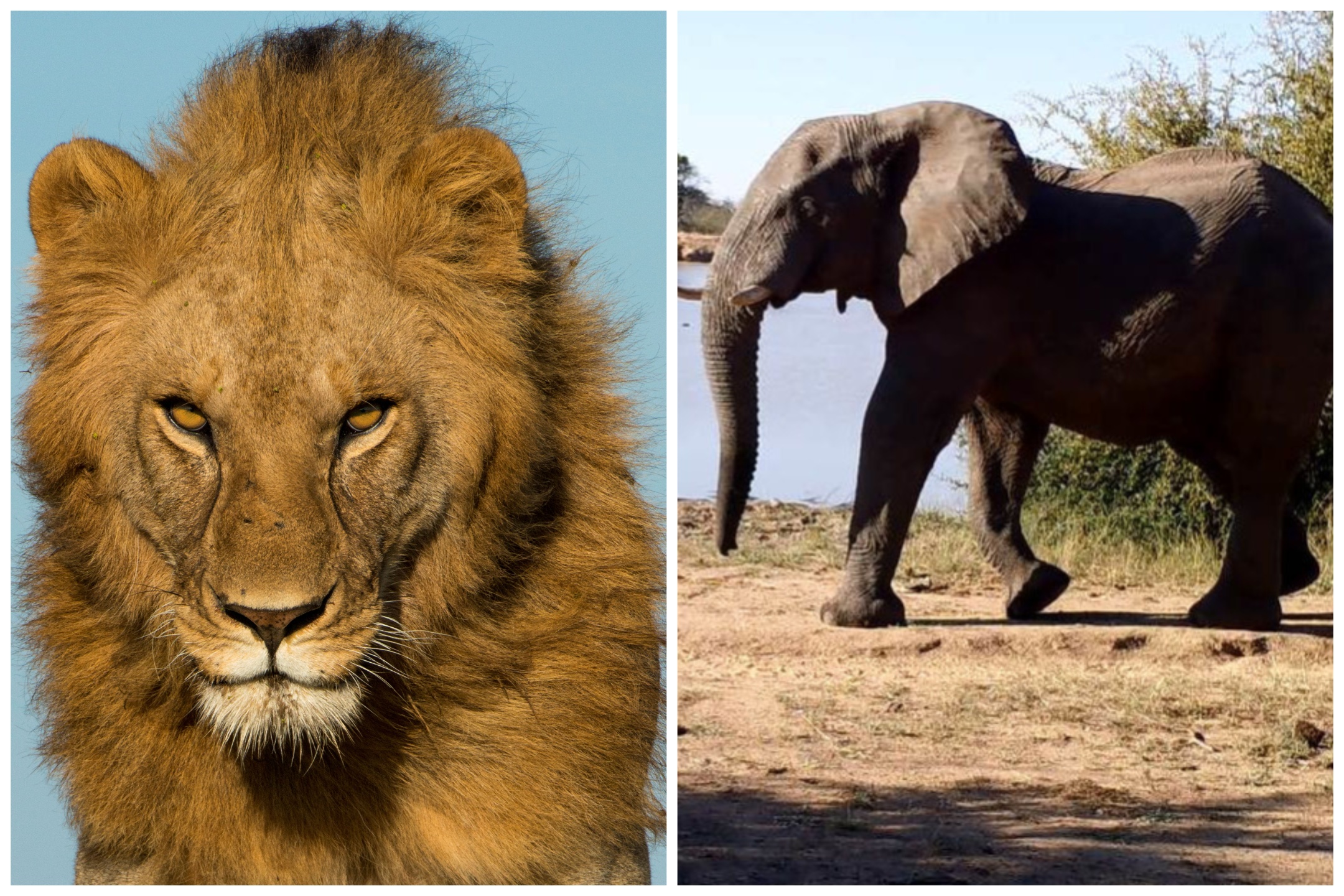
Elephants, rhinos, and other African mammals are far more scared of hearing human voices than lion vocalizations or even hunting sounds, a study has found.

The findings, published in the journal Current Biology, have shed new light on the ecological impact of humans on the natural world, according to the researchers.

Ecologists recently began describing humans as a “super predator” because new global surveys have documented that our species kills prey at much higher rates than other predators, in comparison to other animals like lions, leopards or wolves.

“Given the new surveys showing humans are far more lethal than other predators, wildlife’s fear of humans may be expected to be far more powerful and all-prevailing and consequently have far greater ecological impacts,” Michael Clinchy, a conservation biologist at the Western University in Ontario, Canada, and an author of the study, told Newsweek.

Clinchy and study co-author Liana Zanette—another conservation biologist at Western—are part of a lab at the university whose research focuses on the “ecology of fear.”

“Predators kill prey, and that obviously reduces prey numbers, but what we’ve demonstrated in other work is that the fear predators inspire can itself reduce prey numbers—for example, because fearful animals have fewer chances to eat and so produce fewer young,” Clinchy said.

“In parallel with the work reported in the present paper, we’ve now begun demonstrating that fear of humans can itself have cascading impacts on wildlife communities.”

In the study, the researchers wanted to experimentally test how fearful wildlife are of humans versus what many consider to be the world’s most fearsome non-human predator: lions.

“Lions have long been seen as the world’s most fearsome land predator—the ‘king of beasts’—which makes good ecological sense because they are the largest group-hunting land predator on the planet,” Clinchy said. “So that’s why we’re here experimentally testing wildlife’s fear of humans compared to lions, to best gauge just how large the impacts of the fear of us may prove to be.”

The researchers traveled to South Africa’s Greater Kruger National Park, which is home to one of the world’s largest remaining lion populations. They then went to waterholes, where prior research has shown that lions do much of their killing.

“The setting then is that we’ve gone to where there are more lions than anywhere else, and we’re at waterholes where the local wildlife are in greatest danger of being killed by lions,” Clinchy said. “Hence we’re not just comparing the fear of humans versus lions, we’re doing so where the fear of lions should be at an absolute maximum.”

At each waterhole, the researchers set up a hidden automated camera-speaker system that was triggered by animals passing by within a distance of 30 feet. When triggered, the system filmed the response of the animal to hearing either humans speaking calmly in locally-used languages; lions snarling and growling; hunting sounds, such as dogs barking or gunshots; or non-threatening bird calls.

Importantly, the human voice clips were played at conversational volume levels. The lion vocalizations used, meanwhile, were snarls or growls—comparable to humans speaking conversationally—rather than roars.

The camera-speaker system was operational for six weeks during the dry season, filming the responses of every type of animal that came to drink. This amounted to 19 different species in total, including giraffes, leopards, hyenas, zebras, kudu, warthog, impala, elephants and rhinoceroses.

The researchers quantified fear in two ways: by determining whether the animal ran in response to a playback sound and by measuring the time it took them to abandon the waterhole.

The team made a number of key findings, the first being the “very substantial” degree to which fear of the human “super predator” exceeded that of lions, Clinchy said.

As a whole, the Kruger wildlife were twice as likely to run and abandon waterholes in 40 percent faster time in response to hearing human voices compared to hearing lions.

The second key finding was the comprehensiveness with which the greater fear of humans pervaded the community of savanna mammals with around 95 percent of species running more often or abandoning waterholes faster in response to humans than in response to lions.

Another important finding was that specifically hearing human vocalizations inspired the greatest fear rather than the hunting sounds. This suggests that wildlife recognizes humans as the real danger, whereas related disturbances such as barking dogs are merely lesser proxies.

The fourth key finding is that this “powerful and all-prevailing fear of humans is evident even in one of the world’s premier protected areas,” Clinchy said. And the fifth is “that this is occurring where fear of lions can be expected to be maximal.”

“Our results demonstrate that fear of the human ‘super predator’ far exceeds even that of the most fearsome non-human land predator on the planet, the lion, and can pervade entire communities of mammals, even in protected areas,” he said. “This is consistent with the new global surveys documenting humanity’s unique lethality, but not known before we conducted this critical test.

“On one level, the results are consistent with humans as a ‘super predator’ and so not surprising, on another level, they are shocking. What I find shocking is thinking through what is actually happening here: an African savanna mammal is coming to a waterhole for a drink and hears just 30 feet away from apparently behind a tree, the sound of a lion or a human, and is twice as likely to flee in terror from the human!”

The very substantial fear of humans demonstrated in the study, and in comparable recent experiments, can be expected to have dramatic ecological consequences, according to the researchers.

“The implications of these findings present a significant new challenge for protected areas management and wildlife conservation because it is now clear fear of even benign humans, like wildlife tourists, can cause these previously unrecognized impacts,” Clinchy said.

Live music synchronizes audience’s heart rate, breathing: Study

0

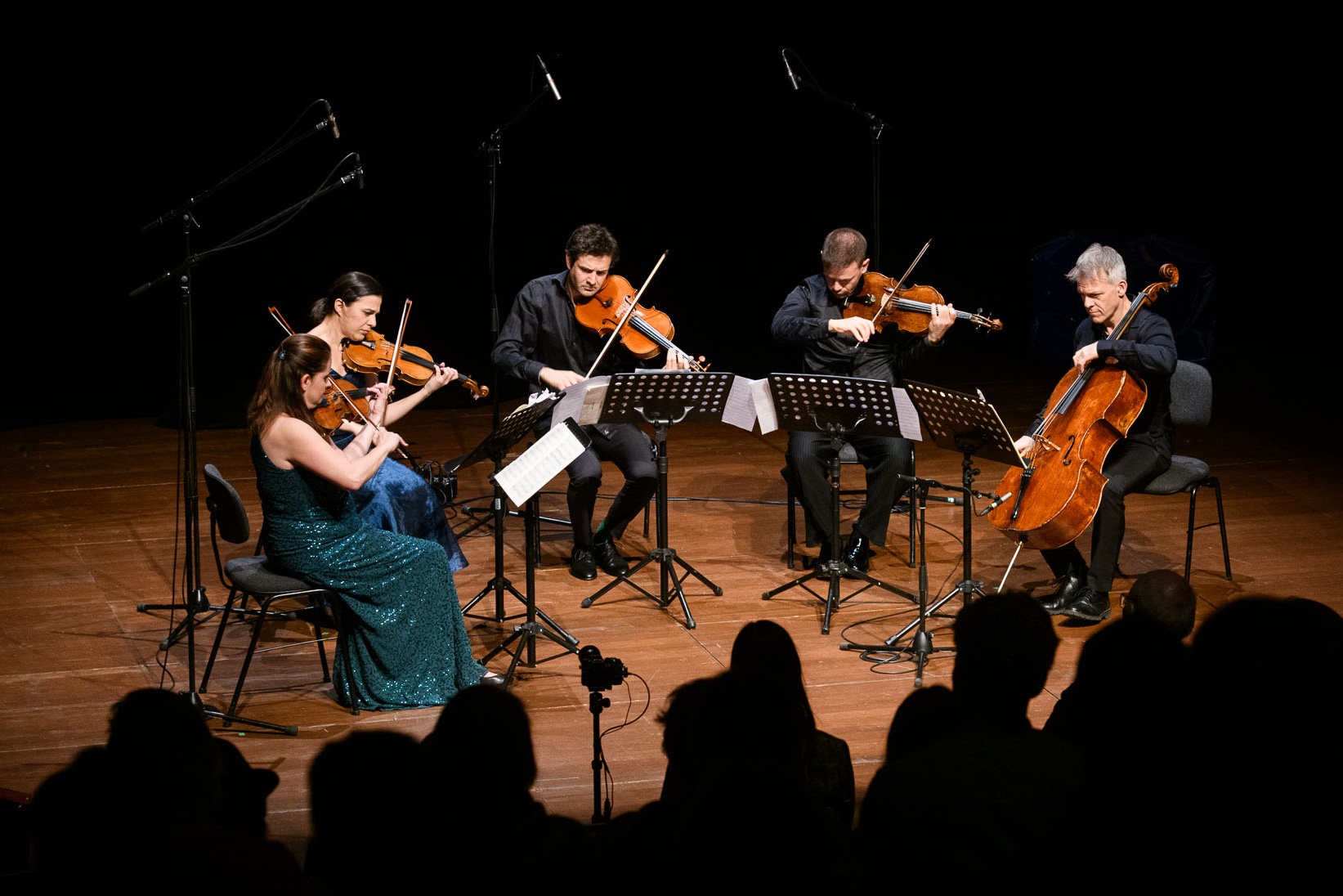
Researchers studying audience members at classical concerts have found that the bodies of listeners displayed “significant” synchronicity in their physical responses to the music.

In a study published in the journal Scientific Reports, the scientists observed synchronization in the movement and some physical processes—such as heart rate, breathing rate, and electrical conductivity of the skin—between audience members.

Synchronization—or what the researchers sometimes refer to as “synchrony”—relates to processes that are coordinated and coupled at a level that exceeds chance.

Synchronization between humans is usually observed in physical bodily responses, such as breathing. Most frequently, this synchronization is the result of direct social interaction with another person. But it can also be induced by other external factors that are not related to such social interactions.

“Synchrony is an important part of social interaction, and psychology has started to measure how much people become synchronized in different settings,” such as in psychotherapy, discussions between spouses, and other conversations, Wolfgang Tschacher, an author of the study from the University of Bern’s Hospital of Psychiatry and Psychotherapy in Switzerland, told Newsweek.

Previous research has found that music can affect the motor and physiological responses of listeners. But while some previous studies have shown that music may be able to induce synchronization in listeners, there is relatively little research in this area, particularly when it comes to naturalistic settings such as concerts.

Tschacher and colleagues wanted to explore this issue in their study. So they decided to observe people whilst they listened to classical music played in a concert setting.

In total, they collected data from 132 people across three public concerts, each of which involved the performance of three pieces: Ludwig van Beethoven’s “Op. 104 in C minor”, Brett Dean’s “Epitaphs” and “Op. 111 in G major” by Johannes Brahms. The concerts took place in Berlin in 2020 while social distancing measures were still in place due to the COVID-19 pandemic.

The researchers monitored the movements of participants during the concerts with overhead cameras, as well as their physical responses using wearable sensors. They also asked them to fill in questionnaires about their personality and mood both before and after the concert.

The data collected provided “clear evidence” of physiological synchronization among audience members when it came to their movement, heart rate, breathing rate and even the electrical conductivity of their skin.

While the researchers found that the audience members shared the same heart rate during the concerts, the heartbeats themselves were likely not all occurring at the same time, Tschacher said. The same applied to their breathing. The rate at which the audience members breathed was synchronized, but the individual “in” and “out” breaths of each attendee did not necessarily all occur at the same time.

Increases in the electrical conductivity of the skin can indicate arousal of the sympathetic nervous system, suggesting excitement. The fact that the scientists observed synchronization among the audience members for this measure indicates that arousal was also synchronized.

In addition, the researchers found that the personality traits of a listener were associated with the likelihood of their physical responses being synchronized with other audience members. Those participants who rated more highly for personality traits such as agreeableness or openness were more likely to become synchronized. On the other hand, those with neurotic or extraverted traits were less likely to become synchronized.

The findings of the study indicate that music may be able to induce synchronization in physical responses between audience members and that personality traits may have an influence on this process.

The study also observed links between bodily synchronization and the audience members’ experience of the concert. For example, the researchers found that synchronization, particularly of heart rate, was higher when listeners felt emotionally moved and inspired by a piece and were immersed in the music.

“The study tells us that the amount of synchronous engagement is related to what we feel and experience,” Tschacher said.

The researcher said if the experiment were to be repeated with other types of music, the observed effects would likely be even stronger.

In classical concerts like the ones examined in the study, “people were not invited to move their bodies, or watch their co-listeners, or do anything but listen. In different music concerts, I would expect the effects of synchrony to be increased,” Tschacher said.

Kyurim Kang, a postdoctoral research fellow at the Johns Hopkins University School of Medicine’s Center for Music and Medicine, who was not involved in the research, told Newsweek the study contributed to a “deeper understanding” of how music can impact the physiological and behavioral responses of a classical concert audience.

“It suggests that music can elicit a shared experience among listeners, even in a concert setting with social distance measures in place. Furthermore, identifying specific personality traits associated with higher or lower levels of synchronization provides insight into the individual differences in audience responses,” Kang said.

“When music emotionally moved and inspired listeners, it led to higher levels of heart rate, respiration rate, electrodermal activity, and overall body movement synchrony. This suggests that creating emotionally engaging performances may enhance audience synchronization and overall concert experiences.”

Kang said the study presents an “innovative” method for studying the intriguing audience synchronization that could be used to explore the intriguing phenomenon in future research in a variety of musical genres and settings.

“Furthermore, these findings may have implications for music therapy, for example, in understanding the therapeutic relationship between clients and therapists.”

Alexander Khalil, a researcher in the Department of Music at University College Cork in Ireland, who was not involved in the study, told Newsweek that the scale and scope of the latest research is notable.

“Typically, musical synchrony studies only address a small number of parameters at a time and in a relatively small group of people,” he said. “Here, we have data on interpersonal synchrony amongst audience members attending a concert recorded from a large group of people across a wide range of parameters such as physical movement, heart rate, and changes in skin conductivity.”

The study is “particularly interesting and useful” because individual variation across these different parameters has been compared with the subjective experience and personality traits of audience members, Khalil said.

“Through this approach, longstanding questions regarding who might be more affected by music and what sort of biological rhythms might indicate this is happening can be further explored.”

“Further, it tells us that that urge to tap your foot, nod your head, or sway from side to side is just the tip of the iceberg: from head to toe, body and mind are in motion with those of other listeners.”

Update 10/09/23, 7:45 a.m. ET: This article was updated with additional information from Alexander Khalil.

Scientists explain "bananas" galaxy observation that baffled everyone

0

Scientists were mystified by images of some of the universe’s earliest galaxies when it appeared they were much larger and brighter than expected—until now.

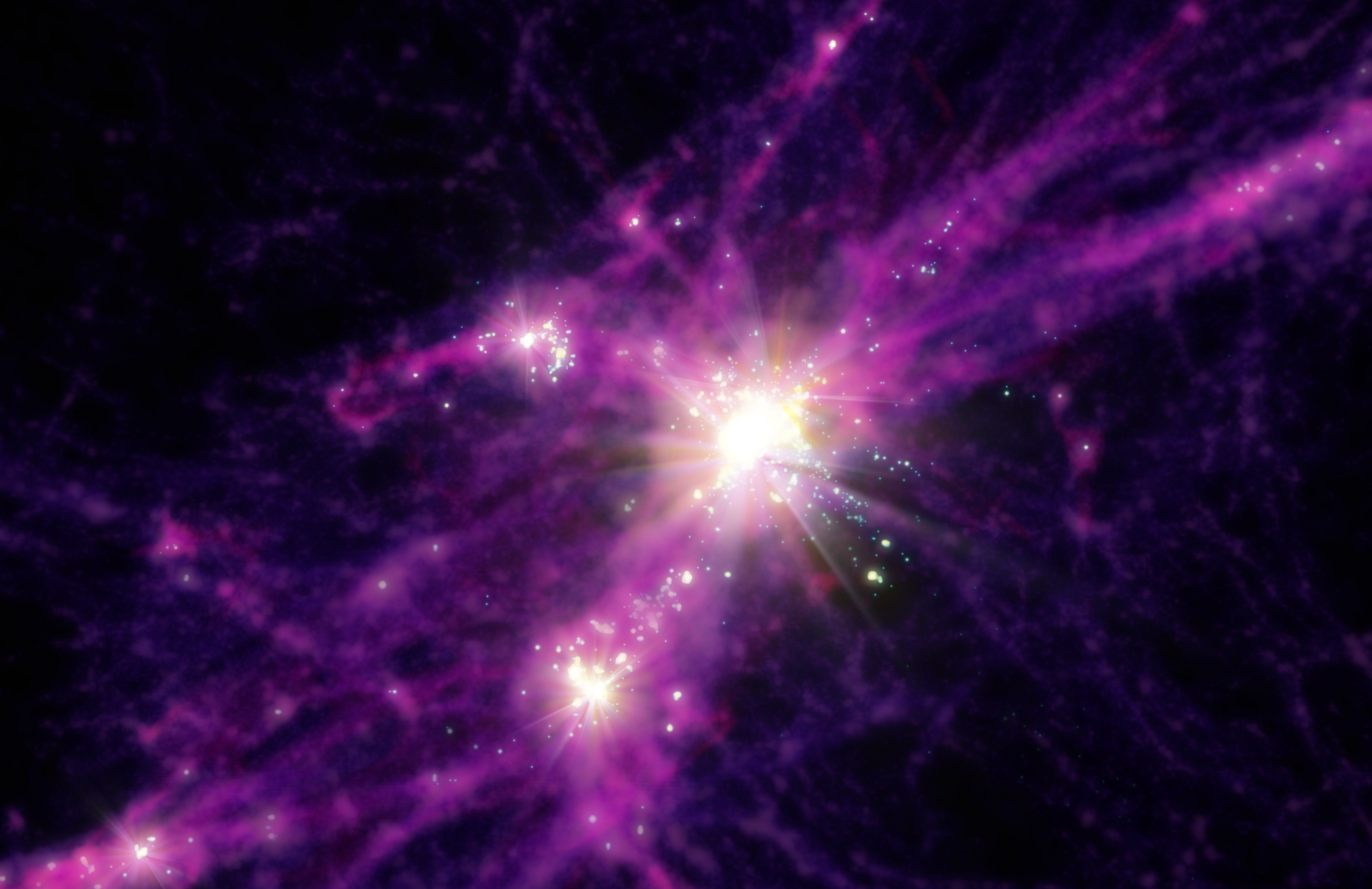
Images of these six ancient galaxies, taken by the James Webb Space Telescope (JWST), revealed that the galaxies were too big and too mature for their young age.

“It’s bananas,” said Erica Nelson, assistant professor of astrophysics at the University of Colorado Boulder and co-author of the research paper in the journal Nature announcing the find, in a statement.

“You just don’t expect the early universe to be able to organize itself that quickly. These galaxies should not have had time to form,” Nelson said.

The galaxies were found to be around the same size as our Milky Way, which contains around 100,000 million stars—but existed only 500 million to 700 million years after the Big Bang. According to current theories about the universe’s formation, that is not enough time for the galaxies to grow to this size.

“The discovery of these galaxies was a big surprise because they were substantially brighter than anticipated,” said Claude-André Faucher-Giguère, an associate professor of physics and astronomy at Northwestern University’s Weinberg College of Arts and Sciences and a study co-author, in a statement.

“Typically, a galaxy is bright because it’s big. But because these galaxies formed at cosmic dawn, not enough time has passed since the Big Bang. How could these massive galaxies assemble so quickly? Our simulations show that galaxies have no problem forming this brightness by cosmic dawn,” said Faucher-Giguère, who is also a member of the Center for Interdisciplinary Exploration and Research in Astrophysics (CIERA).

However, the galaxies are actually less big than first assumed, according to new research published in the online journal Astrophysical Journal Letters. They only appeared so large because they are unusually bright as a result of something called “bursty star formation.”

The researchers found that these early galaxies would have had time to form between the Big Bang and the era they existed in, appearing larger thanks to the presence of bursty stars. Bursty star formation is when stars in a galaxy all form at once, creating a period of immense brightness, followed by a lull.

“Bursty star formation is especially common in low-mass galaxies,” Faucher-Giguère said. “The details of why this happens are still the subject of ongoing research. But what we think happens is that a burst of stars form, then a few million years later those stars explode as supernovae. The gas gets kicked out and then falls back in to form new stars, driving the cycle of star formation.

“But when galaxies get massive enough, they have much stronger gravity,” he continued. “When supernovae explode, they are not strong enough to eject gas from the system. The gravity holds the galaxy together and brings it into a steady state.”

Most of the light in a galaxy comes from the most massive stars, Faucher-Giguère said. “Because more massive stars burn at a higher speed, they are shorter lived. They rapidly use up their fuel in nuclear reactions. So, the brightness of a galaxy is more directly related to how many stars it has formed in the last few million years than the mass of the galaxy as a whole.”

Therefore, these early galaxies initially appeared larger than they were, as a result of unexpectedly bright bursty star formation. This means that their existence during cosmic dawn—a period between 100 million years and 1 billion years after the Big Bang, during which stars and galaxies first formed—is not implausible under the laws of physics.

Scientists can see so far into the past because of these galaxies’ immense distance from Earth. Since light travels at a maximum speed, objects billions of light-years away appear to us the way they did billions of years ago.

“The JWST brought us a lot of knowledge about cosmic dawn,” Guochao Sun, a co-author of the paper and CIERA postdoctoral fellow at Northwestern, said in the statement.

“Prior to JWST, most of our knowledge about the early universe was speculation based on data from very few sources. With the huge increase in observing power, we can see physical details about the galaxies and use that solid observational evidence to study the physics to understand what’s happening,” Sun said.

Do you have a science to share with Newsweek? Do you have a question about galaxies? Let us know via science@newsweek.com.

"Vaccine" against conspiracy theories could be closer than you think

0

Conspiracy theories are nothing new. But, since the evolution of the internet, their ability to spread around the world has increased exponentially.

As of 2022, roughly 70 percent Americans see misinformation as a major threat to society, compared to 57 percent who see the spread of infectious diseases as a major threat and 54 percent who are concerned about global climate change, according to surveys from Pew Research Center.

But what can we do to stop the spread of misinformation?

“Once people have been radicalized or are deep down the conspiracy theory rabbit hole, it’s actually very difficult to then counter argue and bring people back, because they’ve already personally invested a lot in a particular worldview,” Sander van der Linden, a professor of Social Psychology in Society at the University of Cambridge, told Newsweek. “When you argue with them, they often just go further down the rabbit hole defending that worldview.”

Rather than targeting misinformation itself, van der Linden, whose research looks at how people process (mis)information, how it spreads through online and social networks, and how to make people immune to false information, believes we should target its spread.

In the study of infectious diseases, scientists use mathematical models to understand the spread of an infective agent through a population.

“These models are used to try to understand who’s susceptible, how people get infected, and how they ultimately recover in a population,” van der Linden said. “It turns out that you can take these models that are used to study the spread of viruses and use them without much adaptation to study the spread of misinformation in social networks.”

So, how would these models work?

“If you think of a social network, you have patient zero—somebody who starts spreading misinformation,” van der Linden said. “The other people in that network who come into contact with that individual become ‘infected’ after they’ve been exposed to the misinformation, and then there is some chance of those individuals transmitting the virus to other people in their network. And before you know it, everyone in a particular network has been exposed or infected.

“The ‘virus’ in this case is the bad information, not the people spreading it.”

By modeling the spread of misinformation over time, we get learn how to intervene and inoculate people against it. This is what van der Linden describes as a “psychological vaccine.”

“You pre-emptively expose people to a weakened dose of the misinformation ‘virus’ in order to build up their mental ‘antibodies’ that they need to gain some immunity to these manipulation techniques,” he said. “It’s not full immunity, but it helps people be more aware and identify and disarm these techniques when they happen in real life.”

Of course, there are some differences between infection with a biological virus and fake news:

“With simple contagion models, they tend to assume that once you’ve been exposed to the virus you become infected,” van der Linden told Newsweek. “But information doesn’t always work that way. It isn’t necessarily the case that, once you’re exposed, you’re immediately infected. But if everyone in your network is being exposed repeatedly, then there’s a higher chance that you will become infected, especially if the misinformation aligns with your beliefs.”

To test this theory, van der Linden and colleagues, working with Google, produced a series of 2-minute videos to illustrate six of the most common manipulation techniques used to spread misinformation. After extensively testing these in the lab, the videos were released into the wild in the 2-minute ad slot at the beginning of YouTube videos.

To test whether their campaign was a success, the team exposed one group to the “pre-bunking” ad and another control group to a short video about freezer burn. Eighteen hours later, the people who had seen the pre-bunk video were 5 to 10 percent better at recognizing manipulative techniques than those who had watched the video on freezer burn. The results of this study were published in the journal Science Advances in 2022.

“This approach doesn’t seem to backfire in comparison to some other approaches that more directly challenges people,” van der Linden said. “What’s interesting is that conspiracy theorists actually seem pretty open to this idea of recognizing manipulation strategies. They don’t want to be manipulated; that’s kind of core to their identity. So they tend to be slightly more intrigued about our interventions on how to spot manipulation.”

YouTube ads are one way to expose people to these “psychological vaccines,” but not everyone uses this platform, and for some people these pre-bunking techniques will be introduced too late. To arm more people with these pre-bunking tools, van der Linden believes they should be introduced into the school curriculum.

“Every student should be taught a class on what a conspiracy theory is and how to identify them. What are the basic building blocks,” he said. “I think we have to think carefully about how to integrate this into the curriculum over several years to make sure young people can develop lifelong immunity.”

You can read more about how you can protect yourself from misinformation in van der Linden’s book, Foolproof: Why We Fall for Misinformation and How to Build Immunity. Van der Linden will also be speaking about psychological vaccines and how not to be fooled at the New Scientist Live event on October 8, which can be attended online or in person at the ExCel Center in London.

Humans lived in America earlier than thought, ancient footprint study finds

0

Researchers say they have confirmed the age of a set of ancient human footprints in New Mexico, finding them to be between around 23,000 and 21,000 years old.

The latest results, published in the journal Science, indicate that humans were present in the Americas earlier than previously accepted, challenging consensus views on a topic that has long been hotly debated among experts.

“If these footprints were made by humans between 23,000 and 21,000 years ago, it would be one of the most significant finds in the history of American archaeology,” Todd Surovell, a researcher in the Department of Anthropology at the University of Wyoming, who was not involved in the latest Science study, told Newsweek.

The generally accepted range for the date of human arrival in the Americas over the past couple of decades has been roughly 13,000 to 16,000 years ago depending on the specific archaeological sites individual scholars either take into account or reject.

Some recent studies have provided evidence for human occupation of the Americas even earlier than this range—during, or even prior to, the Last Glacial Maximum (LGM), which spanned the years between around 26,000 and 19,000 years ago. The LGM was a period time in Earth’s history when ice sheets and glaciers reached their greatest extent during the last ice age.

However, evidence indicating human settlement of the Americas earlier than 16,000 years ago has often been met with skepticism and such findings are the subject of significant debate.

The ancient human footprints in New Mexico—located in White Sands National Park at the site of an ancient lakebed—fall into this category. In 2021, a team of scientists, including authors of the latest study, dated 61 human footprints in the park, finding that they had been left behind between around 23,000 and 21,000 years ago.

This indicated that humans were present in the region for roughly 2,000 years during the height of the LGM. However, these results proved to be controversial, with many researchers casting doubt on the accuracy of the ages.

“The immediate reaction in some circles of the archeological community was that the accuracy of our dating was insufficient to make the extraordinary claim that humans were present in North America during the Last Glacial Maximum,” Jeff Pigati, a research geologist with the U.S. Geological Survey (USGS) and co-lead author of the new Science study, said in a press release.

In the 2021 study, researchers used a radiocarbon dating technique on ancient seeds from the common aquatic plant Ruppia cirrhosa that were found in the fossilized footprints. This is what sparked the controversy over the age of the impressions because aquatic plants can acquire carbon from dissolved carbon atoms in the water rather than ambient air, potentially making them appear older than they really are.

The study authors were confident in the ages they had come up with but began trying to independently evaluate their results using multiple lines of evidence in order to address some of the criticisms.

In the latest study, Pigati, co-lead author Kathleen Springer—another USGS research geologist—and colleagues used radiocarbon dating of conifer pollen taken from the exact same geological layers as the original seed samples, enabling a direct comparison.

They decided to use conifer pollen because these plants are terrestrial and, thus, are not affected by the same issues that arise when using aquatic plants like Ruppia cirrhosa. This is down to the fact that their carbon comes directly from the atmosphere via photosynthesis.

“The drawback of dating pollen is that pollen is tiny, but the methods that we used in this study allowed us to isolate 75,000 grains of pure pollen per sample, which was enough to obtain robust radiocarbon ages,” the researchers said.

The researchers found that the pollen samples were statistically identical to the corresponding seed ages, lending support to the original dates put forward in the 2021 study. In addition, the scientists used another dating technique known as optically stimulated luminescence, which dates the last time quartz grains were exposed to sunlight.

The luminescence dating revealed that the quartz samples collected within the footprint-bearing layers had a minimum age of around 21,500 years, further supporting the radiocarbon results.

Given that there are now three separate lines of evidence pointing to the same approximate age for the footprints, it is highly unlikely that all are incorrect, indicating that the original age range of 23,000 to 21,000 years old is accurate, according to the researchers.

“Our results from radiocarbon dating of pollen and luminescence dating of the sediments show that the chronologic framework originally established for the White Sands footprints is robust and reaffirms that humans were present in North America during the Last Glacial Maximum,” the researcher said. “We think our study from White Sands closes the case and resolves the controversy.”

“People were in the southern part of North America during the Last Glacial Maximum 23-21,000 years ago. That means that they were there prior to the massive ice sheets closing. Our findings extend the known range of human occupation in North America by thousands of years, which has implications for migratory routes, ancient DNA studies and linguistics. Given time, we hope to build community confidence in the ages that we’ve developed from White Sands.”

Researchers that Newsweek contacted have praised the latest findings and the quality of the evidence put forward in the study.

“The authors have done an excellent job responding to critiques of the dating of the site,” Surovell said. “At this point, we can be very confident that these deposits are more than 20,000 years old. I hesitate to say that we can be ‘certain’ because there is always the possibility that there are unidentified problems with the dating, but when three independent methods produce congruent results, chances are very high that they have identified the correct age of the site.”

The findings “would suggest that there is a lot we do not understand about human colonization of the Americas,” Surovell said. “In my mind, the biggest questions are about human demographics. If people are in the deserts of New Mexico at the height of the last ice age, why do they remain largely invisible everywhere else in the Americas for 8,000 to 10,000 years?”

The researcher said it is also important to note that other archaeologists have raised questions about excavation methods and whether these are truly human footprints.

“What this site will ultimately require for widespread acceptance is independent investigation of the locality and independent replication of its findings,” he said.