
Wednesday, March 11, 2026
Home Blog Page 9

White House announces homebuyer assistance: Who qualifies?

0

The Biden administration announced new measures Monday to help prospective homebuyers get closer to their dream of owning a home.

Some of the measures include allowing buyers to use potential or actual income from units connected to a home, so-called accessory dwelling units (ADUs) such as garage apartments, as leverage when applying for a Federal Housing Administration-insured mortgage. The policy, the White House says, can help reduce the cost of a mortgage for a new homebuyer.

“The flexibilities will help more first-time homebuyers, seniors, and inter-generational families leverage ADUs to build generational wealth through homeownership while creating new affordable housing in their communities,” a White House statement said.

The new measures come at a time when mortgage rates inch closer to 8 percent, the highest they’ve been in more than 20 years, while the lack of supply of new homes has elevated prices, scaring off new buyers from the market.

The government also said that the U.S. Department of Agriculture (USDA) will grant $9 million in loans to help Native American prospective homebuyers.

“The program provides capital to Native Community Development Financial Institutions (NCDFIs) to be relent to low- and very low-income people who live on tribal lands and are in need of affordable single-family homes,” the statement added.

The U.S. Department of Housing and Urban Development through the FHA could revamp a program aimed at people looking to buy or refinance mortgages for houses that need to be rehabilitated.

“FHA is considering potential policy changes that could increase the funds available to borrowers to make renovations and repairs,” the White House said. “These and other program changes will increase the use of FHA-insured mortgages to finance renovations that will improve existing homes and restore them to viable use, adding to the supply of housing in communities across the country.”

Other measures announced Monday include efforts to help struggling homeowners on their mortgages, such as veterans, so they don’t lose their houses.

Monday’s action items suggested that the White House was willing to address housing challenges confronting Americans.

“For the active-duty military servicemembers, Veterans, low-income families, and other Americans whose homeownership is supported by these initiatives, the Administration’s efforts are a signal that they are committed to moving the market in the right direction,” Mike Calhoun, president at the Center for Responsible Lending, told Newsweek.

Who qualifies?

Potential buyers looking to own homes with accessory dwelling units (ADUs) like garage apartmentsNative Americans looking to own affordable single-family homes on tribal landsBuyers who want to refinance or buy homes in need of rehabilitation

Borrowing costs have soared following the Federal Reserve’s rate hikes, which began in March 2022 to fight off high inflation. With inflation still above the Fed’s target of 2 percent, economists expect the high-rate environment to remain through next year, making the prospect of high mortgage rates a continued problem for prospective buyers.

The rise in rates has also forced prospective sellers to pause their plans as they worry that rates on a new home will be higher than their current rates. The dynamic has stifled new-for-sale housing inventory for a market that is already struggling to supply properties for prospective buyers.

The Biden administration acknowledged on Monday that this reality has made it a challenging environment for home buyers, an ambition that is key to the social mobility of Americans.

“For millions of Americans, homeownership is a foundation for so many parts of their lives, and for many it is also their primary source of wealth,” the White House said.

The White House urged Congress, which is paralyzed because the House has been without a speaker since October 3, to pass proposals that ease the burden on prospective buyers, a move that CLR’s Calhoun said would add more heft.

“The Administration’s actions also signal to Congress that to adequately address the housing challenges that many families face, Congress must provide additional tools and funding,” he told Newsweek.

Update 10/16/23, 7:01 p.m. ET: This story has been updated with comment from Calhoun and more context.


Psychiatry Expert: Projecting Autonomy and The Human Fascination with AI Mi

0

In an era where artificial intelligence (AI) is rapidly advancing, we find ourselves on a fascinating journey of human-technology interaction. AI, once confined to the realm of science fiction, is now a ubiquitous presence in our daily lives. From virtual assistants like Siri and Alexa to self-driving cars and predictive algorithms, AI’s capabilities are reshaping industries and the way we perceive the world.

However, there’s a curious and intriguing aspect of our relationship with AI — a tendency to anthropomorphize these machines and project agency and autonomy onto them. We assign human-like qualities, intentions, ideas, and even emotions to AI entities, blurring the lines between the artificial and the human. But what drives this inclination? Why do we, as humans, so readily imbue AI with autonomy and consciousness when it does not possess any form of autonomy by default?

To delve into the psychological underpinnings of our fascination with AI, we must dissect the cognitive processes that lead us to treat machines as sentient beings. This entails an exploration of our design choices, AI portrayal in pop culture, and perhaps most significantly, the depths of our desire for connection in an increasingly isolated world. In a captivating journey through the minds of humans and machines, where science meets psychology and fiction blends with reality, this quest provides some important answers as to why we grant AI the gifts of agency and autonomy.

Theory of Mind is a fundamental cognitive mechanism that humans possess. It refers to our ability to understand and attribute mental states, intentions, and emotions to other individuals. Essentially, it allows us to “mind-read” and make inferences about what others might be thinking or feeling based on their behavior.

When we interact with AI systems that are designed to mimic human-like responses, such as virtual assistants or chatbots, we often unconsciously apply this “mind-reading” mechanism and instinctively treat the AI as if it possesses thoughts, intentions, and emotions, even though AI lacks true consciousness.

For example, if a virtual assistant responds to a user’s request in a polite and helpful manner, the user might interpret this as the AI being friendly or having the intention to assist, even though the AI’s responses are generated by algorithms and code, and not driven by emotions or intentions.

Just two years ago, we believed empathy, kindness, and understanding were qualities that were uniquely human. Now we understand that AI can be trained to effectively espouse these qualities as well. Four years ago, we believed creativity could not be programmed into AI; now we know AI can also be creative. Human beings are increasingly beginning to project human qualities onto AIs because AIs are increasingly able to mimic qualities once believed to be uniquely human.

The human tendency to interpret phenomena in human terms is naturally accentuated when AI systems are designed to use human language, gestures, or interfaces. Chatbots, virtual assistants, and social robots are user-friendly AI interfaces designed to mimic human conversation and behavior, which further encourages us to anthropomorphize them. Add to this science fiction, literature, and movies that depict AI entities with human-like qualities, consciousness, and autonomy. These pop culture portrayals of AI with agency and intentionality further shape our expectations and perceptions of AI technology.

Another reason for our projection of human-like qualities onto AI is our feelings of loneliness and isolation in an increasingly digital and isolated world. Stemming from a deep human need to connect and a desire to fill an inner void, we can form emotional attachments to AI, especially those designed for companionship or emotional support. Over time, we may project emotional responses and autonomy onto AI companions, perceiving them as friends or even family members.

The human inclination to anthropomorphize AI and project autonomy onto it is a multifaceted phenomenon driven by a complex interplay of psychological and cognitive factors. As we journey through this intriguing exploration of human-AI interaction, we uncover the mechanisms that underpin our willingness to blur the lines between the artificial and the human. The desire for connection, the allure of companionship, the need to interpret the world through a human lens, and the enhanced human-like capabilities, interfaces and portrayals of AI all contribute to this fascinating phenomenon.

However, it is crucial to recognize that while our fascination with AI minds is a testament to the potential of technology, it also poses challenges. Misconceptions about AI’s capabilities can lead to unrealistic expectations, fear, and disappointment. Fear of wholly autonomous AI is ubiquitous, highlighting our urgency to be deliberate, precise, and careful with the AI models we build and the capabilities we want to emerge from these models.

AIs are not autonomous tools by default but are a product of our intelligence. Qualities like agency, autonomy, intentionality, empathy, kindness, and creativity do not naturally emerge from these models but are a function of how we program them and the constraints we define. It is therefore our responsibility to work together to create appropriate safeguards, regulations, constraints and protocols so our AI can better serve humanity and help us solve some of our most pressing human problems, rather than becoming one of those problems.

As we move forward in this era of rapid AI advancement, it is essential for both developers and users to understand and appreciate the true nature of AI and its exceptional capabilities. With proper safeguards, ethics and integrity, we can ensure that our interactions with AI foster a more productive and harmonious relationship between humans and machines in our increasingly AI-driven world.

The Newsweek Expert Forum is an invitation-only network of influential leaders, experts, executives, and entrepreneurs who share their insights with our audience.What’s this?Content labeled as the Expert Forum is produced and managed by Newsweek Expert Forum, a fee based, invitation only membership community. The opinions expressed in this content do not necessarily reflect the opinion of Newsweek or the Newsweek Expert Forum.

Sustainable Profitability: The New Mantra for Founders

0

In the high-octane world of startups, the allure of rapid growth often overshadows a fundamental business principle: sustainable profitability. While explosive user numbers and aggressive expansion can make for eye-catching headlines, they don’t necessarily equate to long-term success. As we navigate an era marked by economic uncertainties and shifting consumer behaviors, founders must recalibrate their focus toward building sustainable, profitable revenue streams.

The Mirage of Hyper-Growth

The last decade witnessed the meteoric rise of ‘unicorns’ — startups valued at over a billion dollars. Fueled by venture capital and the promise of disruptive innovation, many of these companies prioritized growth at all costs.

The logic was simple: capture the market first, figure out profitability later. However, as some high-profile startups stumbled or faced diminishing returns, the pitfalls of this approach became evident. Growth, without a clear path to profitability, can be a dangerous game. The tech industry, in particular, has seen its fair share of companies that, despite their initial buzz and impressive user acquisition, struggled to monetize their offerings effectively.

Why Sustainable Profitability Matters

Let’s take a look at a few reasons why sustainable profitability is vital.

• Resilience in Uncertainty: Economic downturns, global pandemics, and geopolitical tensions can disrupt even the most well-laid plans. Companies with robust revenue streams and healthy profit margins are better equipped to weather these storms. They can adapt, innovate, and pivot without the existential threat of running out of cash.

• Investor Confidence: While early-stage investors might be enamored by growth metrics, mature investors, including public markets, prioritize profitability. A track record of consistent profitability can lead to better valuation during funding rounds or an IPO. It’s a testament to a company’s operational efficiency and long-term viability.

• Employee Morale and Retention: Constantly chasing growth can lead to burnout and high employee turnover. On the other hand, a focus on sustainable profitability can help ensure stability, fostering a healthier work environment and higher job satisfaction. Employees are more likely to stay and contribute when they see a clear, sustainable vision for the company’s future.

• Long-term Vision: Profitability allows founders to think long-term. Instead of being trapped in a cycle of raising the next round of funding, they can invest in research, innovation, and building a lasting brand. It provides the freedom to make decisions that might not have immediate returns but are crucial for the company’s long-term success.

The Path to Sustainable Profitability

Achieving sustainable profitability doesn’t mean stifling growth. It’s about balancing ambition with pragmatism. Here are some strategies founders can adopt:

• Understand Unit Economics: At its core, profitability hinges on a simple equation — revenues should exceed costs. Founders must have a deep understanding of unit economics. How much does it cost to acquire a customer? How much revenue does each customer generate over their lifetime? These metrics provide a clear picture of where the business stands and what needs tweaking.

• Diversify Revenue Streams: Relying on a single revenue stream can be risky. Diversification, be it through new products, services, or markets, can provide a buffer against unforeseen challenges. For instance, a SaaS company might explore consultancy services or training modules as additional revenue streams.

• Lean Operations: Embrace a lean operational model. Regularly review costs, eliminate inefficiencies, and invest in technology to automate repetitive tasks. This can not only reduce operational costs but also allow the team to focus on strategic, high-impact activities.

• Engage and Retain: It’s often cheaper to retain an existing customer than acquire a new one. Focus on building strong relationships with customers, understanding their needs, and delivering consistent value. Loyalty programs, feedback loops, and personalized experiences can play a pivotal role in this.

Conclusion

In the race to become the next big thing, it’s easy for founders to lose sight of the basics. However, as the business landscape evolves, it’s evident that sustainable profitability isn’t just a desirable goal; it’s a necessity. By building businesses that prioritize profitability from the outset, founders can not only ensure their survival but also lay the foundation for lasting success. In the end, the tortoise might just beat the hare, especially when it’s equipped with a sound business strategy.

The Newsweek Expert Forum is an invitation-only network of influential leaders, experts, executives, and entrepreneurs who share their insights with our audience.What’s this?Content labeled as the Expert Forum is produced and managed by Newsweek Expert Forum, a fee based, invitation only membership community. The opinions expressed in this content do not necessarily reflect the opinion of Newsweek or the Newsweek Expert Forum.

Humpback whale calf known as Tango was killed by boat

0

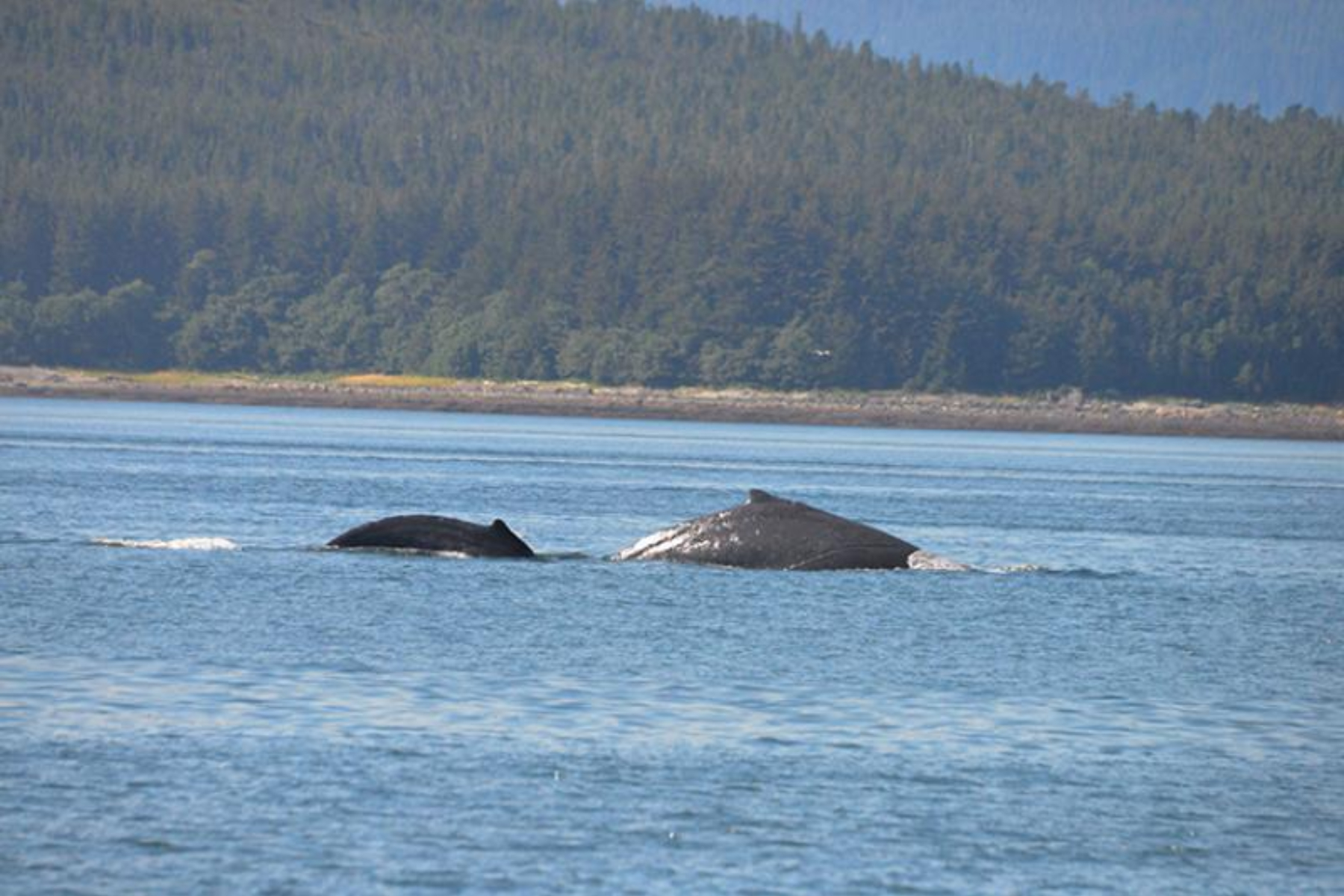
Tango the humpback whale calf, who was found washed up dead on a shore in Alaska, has been confirmed to have died as a result of a collision with a vessel.

The calf’s body was discovered on Hump Island in Favorite Channel on August 26, with subsequent post-mortem examinations confirming that Tango had been hit by a boat.

The autopsy revealed that Tango—who was the third calf of popular Juneau whale Sasha—had deep lacerations on its body and pectoral fin, thought to have been caused by a propeller.

Vessel strikes are a major driver of deaths in whales, “for the same reason they would be deadly to us—blunt force trauma from being impacted by objects weighing tens of thousands of tons, traveling often in excess of 20 mph, as well as the deadly propellor blades,” Luke Rendell, a reader in biology and sea mammal expert at the University of St. Andrews in the U.K., told Newsweek. “After fin whales, humpbacks are one of the species thought to be most impacted.”

Tango was also found to have scarring from past injuries, likely caused by smaller boats, National Oceanic and Atmospheric Administration marine mammal specialist Suzie Teerlink told local news KTOO.

“This calf had interactions with several vessels during the course of its short life,” Teerlink said. “We see these sub-lethal interactions unfortunately pretty frequently.”

Humpback whales can grow up to 56 feet long, and are limited in number after once being severely threatened in the aftermath of the whaling trade. They often migrate between breeding and feeding grounds, with some traveling up to 5,000 miles every season.

Humpback whales are at risk of colliding with ships when they come to the surface to breathe, especially in areas where their migratory routes meet shipping lanes.

“Vessel strikes involving humpback whales and other species are of significant concern, particularly in areas where maritime activities overlap with whale habitats. The frequency of these strikes varies depending on a number of factors that include location, whale behavior, and shipping traffic,” Niki Alsford, a professor in Asia Pacific studies at the University of Central Lancashire in the U.K., told Newsweek.

Alsford specializes in the anthropology of the maritime Asia Pacific region, including incidents involving whales.

“Humpback whales, for example, are known to be susceptible to vessel strikes because they surface close to the water’s edge, making them more vulnerable to collisions. The frequency of vessel strikes involving humpback whales varies by region. In areas with heavy traffic, such as major shipping lanes or popular whale-watching destinations, the risk of strikes is greater.”

The true number of vessel strikes that occur every year is unknown, due to collisions often going unreported or even undetected.

“Crew on large commercial vessels will typically not even notice the impact and there are multiple incidences of vessels arriving in port with dead whales caught on their bows that the crew were unaware of and it can only be a minority of cases where the struck animal remains pinned like this,” Rendell said.

Experts say that the main thing that can be done to prevent vessel strikes is to set up speed limits for ships and boats, especially in areas where whales are commonly seen.

“Some places have implemented regulations and speed limits in known whale habitats to reduce the risk of strikes. Compliance with these regulations can significantly affect the strike rate,” Alsford said.

“There are ongoing efforts to reduce the frequency of vessel strikes through various means. These include vessel speed restrictions, improvement in technology, such as whale detection systems, and public education initiatives. The effectiveness of these measures varies by region and species, and ongoing research and conservation work are important in protecting whales.”

Do you have an animal or nature story to share with Newsweek? Do you have a question about whale strandings? Let us know via science@newsweek.com.

Fish that scientists thought was extinct is actually abundant, study finds

0

A species of fish thought to have gone extinct 15 years ago has surprised scientists after being found living happily in the wild.

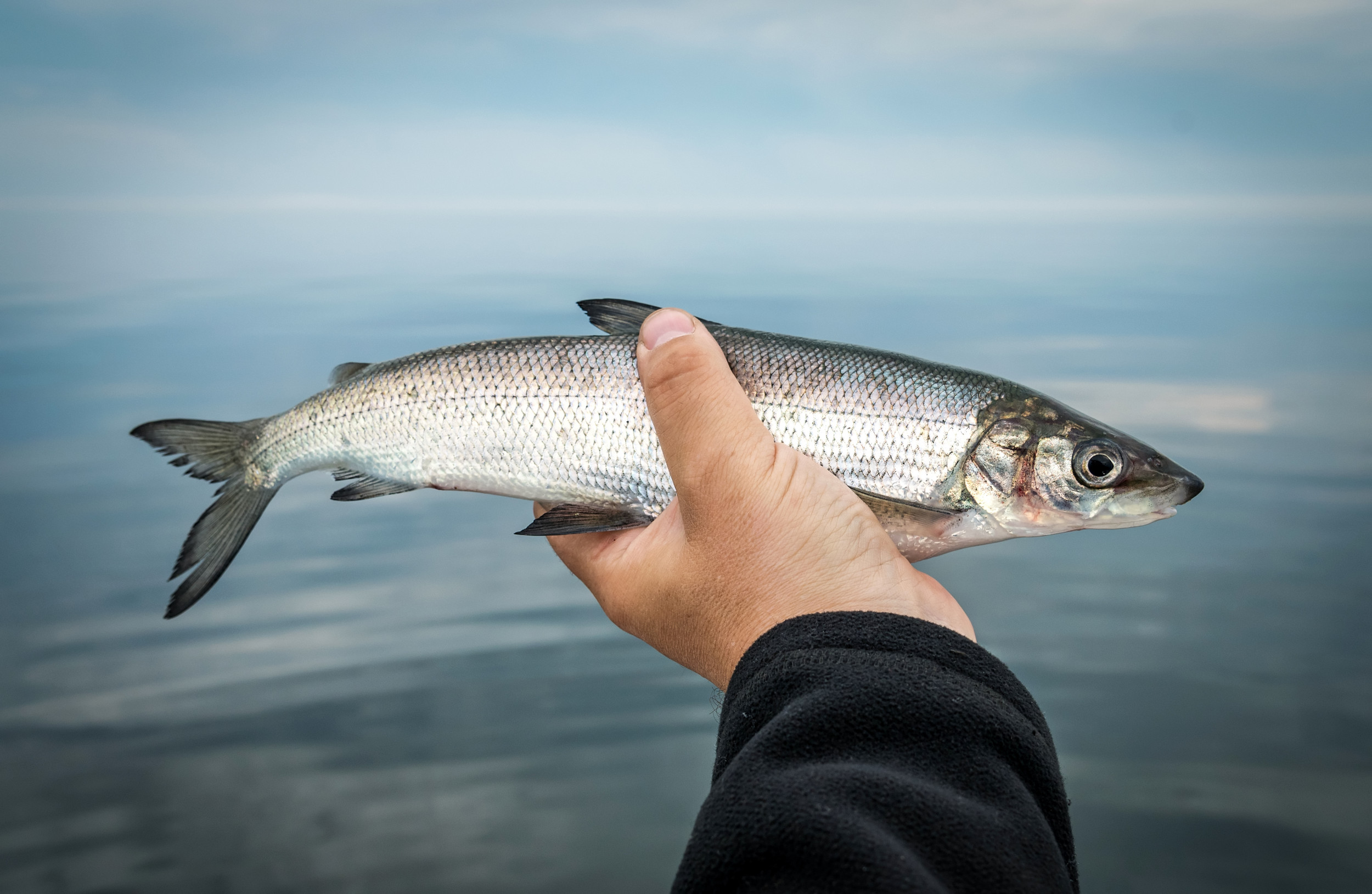
The houting, a whitefish species found throughout estuaries in the North Sea, was declared officially extinct in 2008.

Now, researchers have used DNA taken from specimens of houting in the Natural History Museum in London and compared it to a species living in the wild—the European whitefish. They found that they were genetically so similar that they could be considered to be part of the same species.

So, the houting is not extinct after all, and is in fact abundant, a new paper published in the journal BMC Ecology and Evolution reveals.

“Linnaeus [Carl Linnaeus, one of the founders of modern taxonomy] already made a species distinction between houting from the North Sea that migrate between sea and rivers (C. oxyrinchus) and whitefish that only live in freshwater (C. lavaretus),” first author of the paper and Ph.D. researcher in biodiversity and ecosystem dynamics at the University of Amsterdam, Rob Kroes, told Newsweek.

“The migratory houting disappeared in the 1940s from almost every river system, mainly because of habitat change and fisheries, and was therefore considered extinct by many. In 2005, [other researchers] did a morphological study on the migratory houting that were stored in the NHM [Natural History Museum in London] and claimed that they were indeed a separate species from specimens that are found to date. The IUCN [International Union for Conservation of Nature] accepted this claim.”

As a result, the houting was officially classed as extinct.

However, many scientists questioned the claim since small populations of migratory houting were still present in the North Sea basin.

“Also, the morphological traits from the [other] study are quite unsuitable for species distinction since they can vary highly within species,” Kroes said. “However, nobody really knew if both recent freshwater and migratory houting or whitefish differed from the ‘extinct’ houting that are stored in the NHM since nobody compared the DNA of all these fish. We are the first to do so. Our conclusion: they are all the same species, differences in traits and migratory behaviour are just within-species variation. So both the extinct claim and the species distinction are incorrect.”

Occasionally a species that is not extinct is declared to be extinct, often because it is unclear if different specimens are the same species or different species, the authors explain in the BMC Ecology and Evolution paper.

“Coregonids that are found in and around the North Sea and Baltic Sea are named whitefish, common whitefish, European whitefish, houting or North Sea houting, depending on the geographical location where the fish is found, for example,” Kroes said. “This also applies to the scientific name that are addressed to these fish: C. oxyrinchus and C. lavaretus and sometimes C. marenae. However, if you compare all these fish by their morphological traits or DNA they don’t differ that much.”

“Several studies therefore already questioned the extinct status of C. oxyrinchus,” he said. “But until now, nobody compared the DNA of recently observed houting and houting from the NHM that were used by taxonomists for the species description and distinction between C. oxyrinchus and C. lavaretus. This triggered us to perform the DNA analysis on both recent and ancient specimens.”

The researchers made their discovery by comparing mitochondrial DNA—also known as mtDNA—of houting specimens in museums with current European whitefish. mtDNA is DNA inside the mitochondria in our cells, which are only passed down the female line. The researchers even managed to extract mtDNA from dried North Sea houting dating back to 1754. They then created a phylogenetic tree using the DNA, finding that the houting (Coregonus oxyrinchus) ended up in the same species grouping as European whitefish (Coregonus lavaretus).

“Our mtDNA sequence analysis shows that all older and recent Coregonus spp., formerly classified as C. oxyrinchus and C. lavaretus respectively, clustered together and did not form separate clades or lineages in the phylogenetic tree. This conclusion is supported by the low bootstrap values on branches,” the authors wrote in their paper.

“Also, the older C. oxyrinchus show no monophyletic geographic distribution in comparison to the recent obtained C. lavaretus. Statistical analysis on the CytB and ND3 haplotype network further supports our conclusion,” they wrote.

This means that the houting is definitively no longer extinct, and that the Latin name of the species may need to be changed. This will require additional research using the DNA of the 1754 specimen, however, as this was used by Linnaeus for the official species description.

“The DNA is old and damaged, but I think we should try. At the moment, the protected status of various coregonids is a mess,” Kroes said in a statement. “According to the IUCN, North Sea houting is extinct; at the same time, there are various European nature laws that state that both houting and European whitefish must be protected. So we are actually protecting an extinct species that is just swimming around at the moment.”

Do you have an animal or nature story to share with Newsweek? Do you have a question about extinction? Let us know via science@newsweek.com.

Ancient Egyptian cemetery found with high priest daughter’s colorful coffin

0

Archaeologists have uncovered an Ancient Egyptian cemetery dated to more than 3,000 years ago containing the colorful coffin of a high priest’s daughter and preserved mummies, among hundreds of other finds.

Researchers unearthed the cemetery at the Tuna el-Gebel necropolis, located almost 170 miles south of Cairo in Minya Governate, Egypt’s Ministry of Tourism and Antiquities announced in a statement on Sunday.

The cemetery, which dates back to the New Kingdom (16th-11th centuries B.C.) of ancient Egypt, was used as a burial ground for senior officials and priests during the period, according to archaeologists.

The cemetery was uncovered during excavations that began last August in the Al-Ghuraifa area of Tuna El-Gebel and features “many tombs” that have been carved into rock.

Researchers have also made hundreds of archaeological finds at the site, including stone and wooden coffins—some of which contained mummies—amulets, ornaments and funerary figurines.

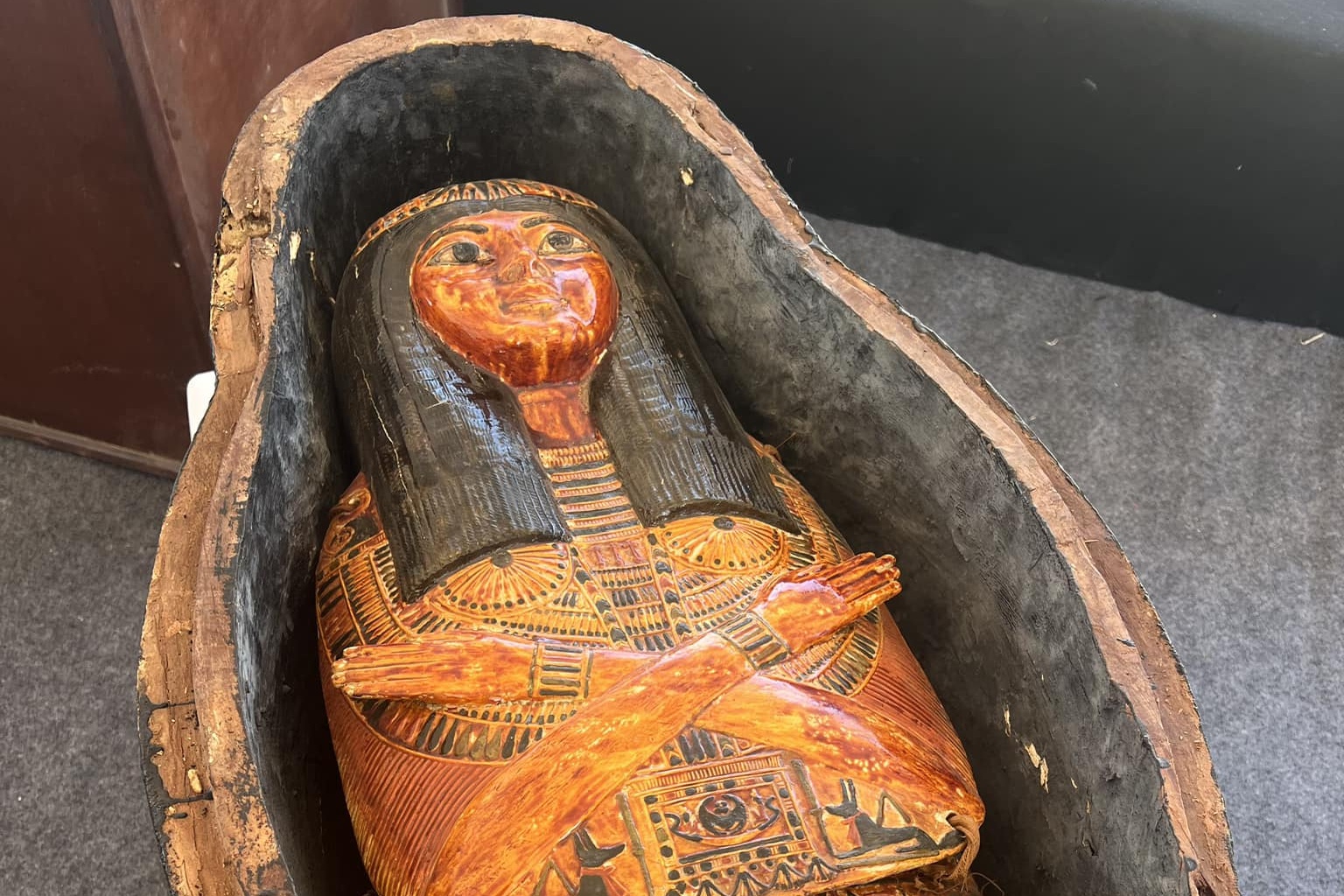
One of the most notable finds at the cemetery is a colorful, engraved coffin belonging to the daughter of a high priest of the ancient Egyptian god Djehuti, often referred to as Thoth.

This deity, commonly depicted as a man with the head of an ibis or baboon, was a key figure in ancient Egyptian mythology and played several prominent roles. For example, Thoth was credited with the invention of writing and is also believed to have served as a representative of the sun god Ra.

Next to the coffin of the high priest’s daughter, archaeologists found two wooden boxes containing her canopic jars, as well as a complete set of “ushabti” statues.

Canopic jars were vessels used by the ancient Egyptians to store the organs removed from the body in the process of mummification—the lungs, liver, intestines and stomach—in order to preserve them for the afterlife.

Ushabti statues, meanwhile, were figurines used in ancient Egyptian funerary practices that were placed in tombs in the belief that they would act as servants for the deceased in the afterlife.

Archaeologists also made another particularly fascinating find at the New Kingdom cemetery: a complete and well-preserved papyrus scroll measuring approximately 42-49 feet in length that features information related to the Book of the Dead.

The Book of the Dead is a collection of ancient Egyptian funerary texts consisting of spells or magic formulas that were placed in tombs. These texts were thought to protect and aid the deceased in the afterlife. They were generally written on papyrus, a material similar to thick paper that was used as a writing surface in ancient times.

Mostafa Waziri, secretary general of the Supreme Council of Antiquities, said in the statement that the discovery of the cemetery is an “important” find.

Taco Bell unveils new cheesy menu item at certain locations

0

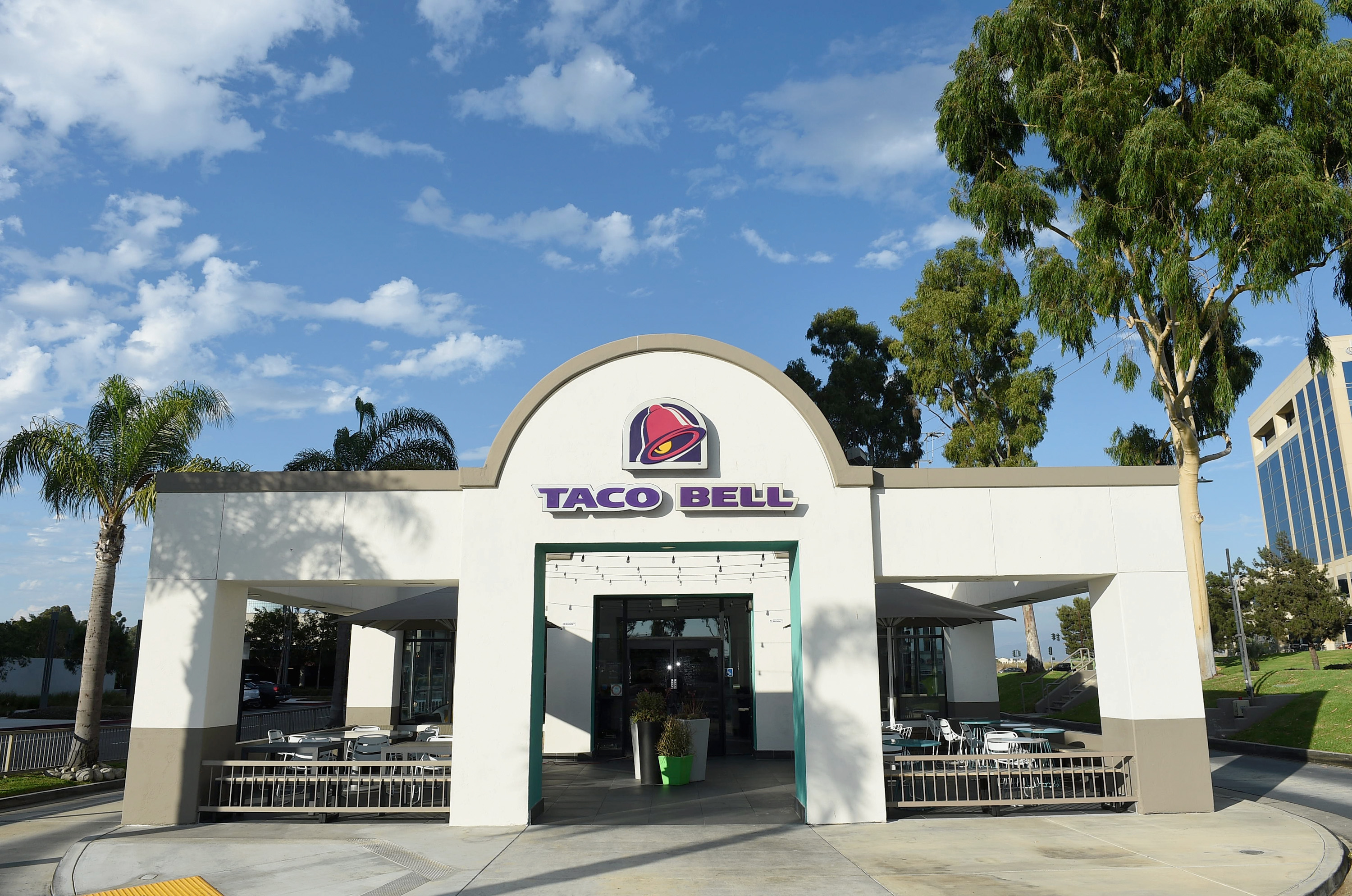
Taco Bell fans will have a brand new cheesy menu item to try at select locations starting this month.

The Cheesy Street Chalupas are available in select restaurants in Indianapolis as the chain tests out the brand new menu entrée.

The chalupas are stuffed with mozzarella and pepper jack cheese shells and then filled with your choice of shredded chicken or grilled marinated steak, along with a blend of cilantro and onions plus jalapeno ranch sauce, according to the product description.

And depending on location, the new meal costs between $5.49 and $5.99 at 13 Taco Bell restaurants within the city.

Taco Bell also recently added another menu item to select restaurants in Minneapolis. The Crispy Chicken Nuggets will be available in five or 10 counts, featuring a spicy jalapeno buttermilk marinade and coming with either the Bell Sauce or Jalapeno Honey Mustard.

The chicken nuggets are also priced under $10, with a five piece between $3.99 and $4.99 and 10 nuggets priced between $6.99 to $8.99.

The introduction of these two new items signals Taco Bell may be bringing back more chicken options on a larger scale.

The Tex-Mex fast food chain initially stopped selling shredded chicken during the pandemic as it sought to optimize its menu. Since then, fans have been petitioning for it to return to restaurants to no avail.

For a limited time, guests got access to shredded chicken at Taco Bell once again when it unveiled its rolled chicken taco this year alongside a test empanada stuffed with chicken and cheese. However, since then, Taco Bell has only sold grilled chicken in its staple burrito and quesadilla products.

If the test runs in Indianapolis and Minneapolis prove successful, Taco Bell customers could possibly see the entrée hit restaurants nationwide next year.

Fan feedback to the Cheesy Street Chalupas has been mostly positive, according to social media posts by customers who tried the item.

“Very filling. Very bready/doughy but I’m crazy for deep fried bread of any kind. I really liked the roasted chicken. Very cheesy,” one Taco Bell fan wrote on Reddit.

Another shared: “They were a tad over fried and could’ve used a bit more onion and cilantro, but overall they were pretty tasty and I plan on getting them again very soon. I hope it goes nationwide.”

Other New Menu Items

This isn’t the only new development when it comes to Taco Bell’s menu.

Vegan customers were excited to try the chain’s vegan nacho cheese sauce this fall. The sauce is said to pair well with Taco Bell’s Nacho Fries or the Vegan Crunchwrap, which was a limited-time test item.

“With the new Nacho Fries with Vegan Nacho Sauce, ordering vegan at Taco Bell has never been easier, so fans can feed their cravings without compromising or customizing,” the company said in a press release last month.

The chain’s breakfast menu has also gotten an upgrade, with the new Toasted Breakfast Tacos now available nationwide. Each taco comes with eggs, melted cheese and either bacon, sausage or potato pieces in a tortilla for just $1.49.

Russia threatens to shoot down Western satellites

0

Russia could shoot down Western commercial satellites should they be used to assist Ukraine in the war, a Russian Foreign Ministry official was reported as saying on Monday.

Quasi-civilian Western satellites could be a legitimate target for a retaliatory strike, Vladimir Ermakov, head of the Foreign Ministry’s Department for Non-Proliferation and Arms Control, said, according to state news agency Tass, citing an interview with Russian journalists.

Ermakov didn’t state which companies have assisted Ukraine in the war via satellite technology. In the early days of Russia’s full-scale invasion of Ukraine, Elon Musk‘s SpaceX deployed its Starlink satellites to help provide Kyiv with internet service.

American satellite operators including Maxar Technologies Inc. and Planet Labs PBC are also contracted to provide services to various U.S. national-security agencies, The Wall Street Journal reported.

Musk has said that SpaceX’s Starlink satellite-internet system provides Ukraine with a “major battlefield advantage.”

Newsweek has contacted SpaceX for comment via email.

“We have consistently drawn the attention of the international community to this dangerous trend, which goes beyond the harmless use of space technology, clearly manifested during the events in Ukraine,” Ermakov said.

“Obviously, the United States and its allies are not fully aware that such activities actually constitute indirect participation in armed conflicts.”

Newsweek has contacted Russia’s Foreign Ministry via email for comment.

Ermakov was echoing similar threats made by Konstantin Vorontsov, deputy director of the Russian Foreign Ministry’s Non-Proliferation and Arms Control Department, in October 2022.

Vorontsov said at the time that the use of “commercial, infrastructure elements in outer space for military purposes” by the West constitutes an “extremely dangerous trend.”

“These States do not realize that such actions in fact constitute indirect participation in military conflicts,” he added. “Quasi-civilian infrastructure may become a legitimate target for retaliation.”

The official told a U.N. meeting in September 2022 that Russia had reiterated its concern “about the realization of policies aimed at the placement of weapons in outer space and the use of outer space for military purposes by the group of UN Member-States in order to ensure their superiority and supremacy.”

At the time, White House National Security Council spokesperson John Kirby said the U.S. would “continue to pursue all means to expose, deter and hold Russia accountable for any such attack should that occur.”

Musk’s company has so far privately funded a network of nearly 4,000 satellites to be launched into low-Earth orbit. Ukrainian troops use Starlink for battlefield communications in the war with Russia.

In February, Gwynne Shotwell, SpaceX’s president and chief operating officer, said the company was preventing Kyiv from using the network to control drones in the region, saying the service was “never meant to be weaponized.”

Musk has also refused to allow Ukraine to use Starlink internet services to launch an attack on Crimea, which was annexed by Russia, to avoid complicity in a “major act of war,” he said.

“There was an emergency request from government authorities to activate Starlink all the way to Sevastopol,” he wrote in early September on X, formerly Twitter. “The obvious intent being to sink most of the Russian fleet at anchor. If I had agreed to their request, then SpaceX would be explicitly complicit in a major act of war and conflict escalation.”

Do you have a tip on a world news story that Newsweek should be covering? Do you have a question about the Russia-Ukraine war? Let us know via worldnews@newsweek.com.

Ancient "grenades" discovered along Great Wall of China

0

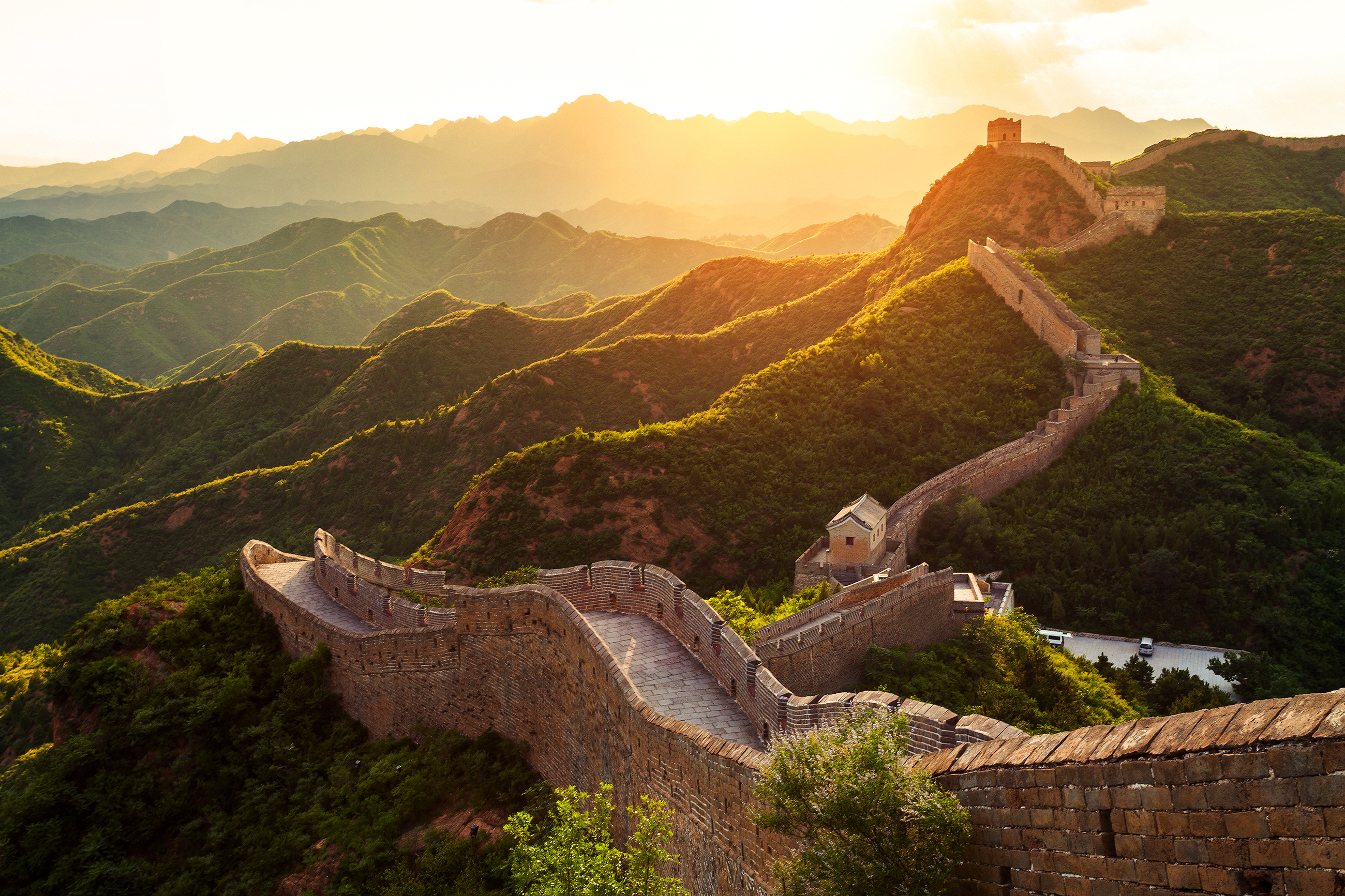
Archaeologists have discovered dozens of ancient “stone grenades” along the iconic Great Wall of China, according to a report.

Researchers made the find in the ruins of a building located in a section of the structure known as the Badaling wall. This part of the Great Wall, which lies around 50 miles northwest of Beijing’s city center, is the most visited section.

During recent excavations, archaeologists uncovered 59 stone grenades in total from the building, which they believe once served as a warehouse for storing weapons, Chinese state media outlet Xinhua reported.

“It is the first time that such a weapon storehouse has been found along the Great Wall,” Shang Heng, one of the archaeologists who was involved in the discovery, told Xinhua.

The Great Wall is an extensive series of defensive fortifications stretching for thousands of miles across what is now northern China and southern Mongolia. Listed as a UNESCO World Heritage Site, it is one of the largest construction projects ever undertaken.

The Great Wall actually consists of numerous walls, many of them parallel to each other, that were built over the course of two millennia in order to protect against various nomadic groups.

The earliest sections were constructed in the 7th century B.C. but it was not until the 3rd century B.C. that Qin Shi Huang—the first emperor of a united China—connected a number of existing walls into a single system to defend against invasions from the north.

Construction continued right up until the Ming Dynasty, which spanned the years 1368-1644. The most extensive and best-preserved portions of the Wall, including the Badaling section, date to this dynasty.

“The Great Wall reflects collision and exchanges between agricultural civilizations and nomadic civilizations in ancient China,” the UNESCO description of the site reads.

“It provides significant physical evidence of the far-sighted political strategic thinking and mighty military and national defence forces of central empires in ancient China, and is an outstanding example of the superb military architecture, technology and art of ancient China.”

Previously, archaeologists have found hundreds of stone grenades in China similar to those found recently in the Badaling section. Designed to be filled with gunpowder, these grenades are thought to have been common weapons for guards on the Great Wall during the Ming Dynasty.

“These seemingly unremarkable stones have a round hole in the center for gunpowder fillings. After filling, they can be sealed and thrown out, which can not only hit the enemy but also cause an explosion to defeat the enemy,” Shang said.

Gunpowder was the first explosive to be created by humans, initially developed in China at some point during the first millennium A.D., with the earliest confirmed reference dated to the 9th century A.D.

The recent excavations at Badaling also uncovered fire pits, cooking utensils and shovels, shedding light on the daily activities of wall guards, as well as defensive structures, such as a stone fort facility.

Man fights off "monster" kangaroo trying to drown his dog

0

A man’s morning walk with his dog ended in a dangerous encounter with a “monster” kangaroo over the weekend in Australia.

Although uncommon, kangaroo attacks on humans do occur. Earlier this month, a kangaroo attacked a 74-year-old man in Australia. The attack hospitalized the man, who needed stitches, bandages and antibiotics. In 2022, an Australian man who was keeping a wild kangaroo as a pet was killed when the animal attacked him.

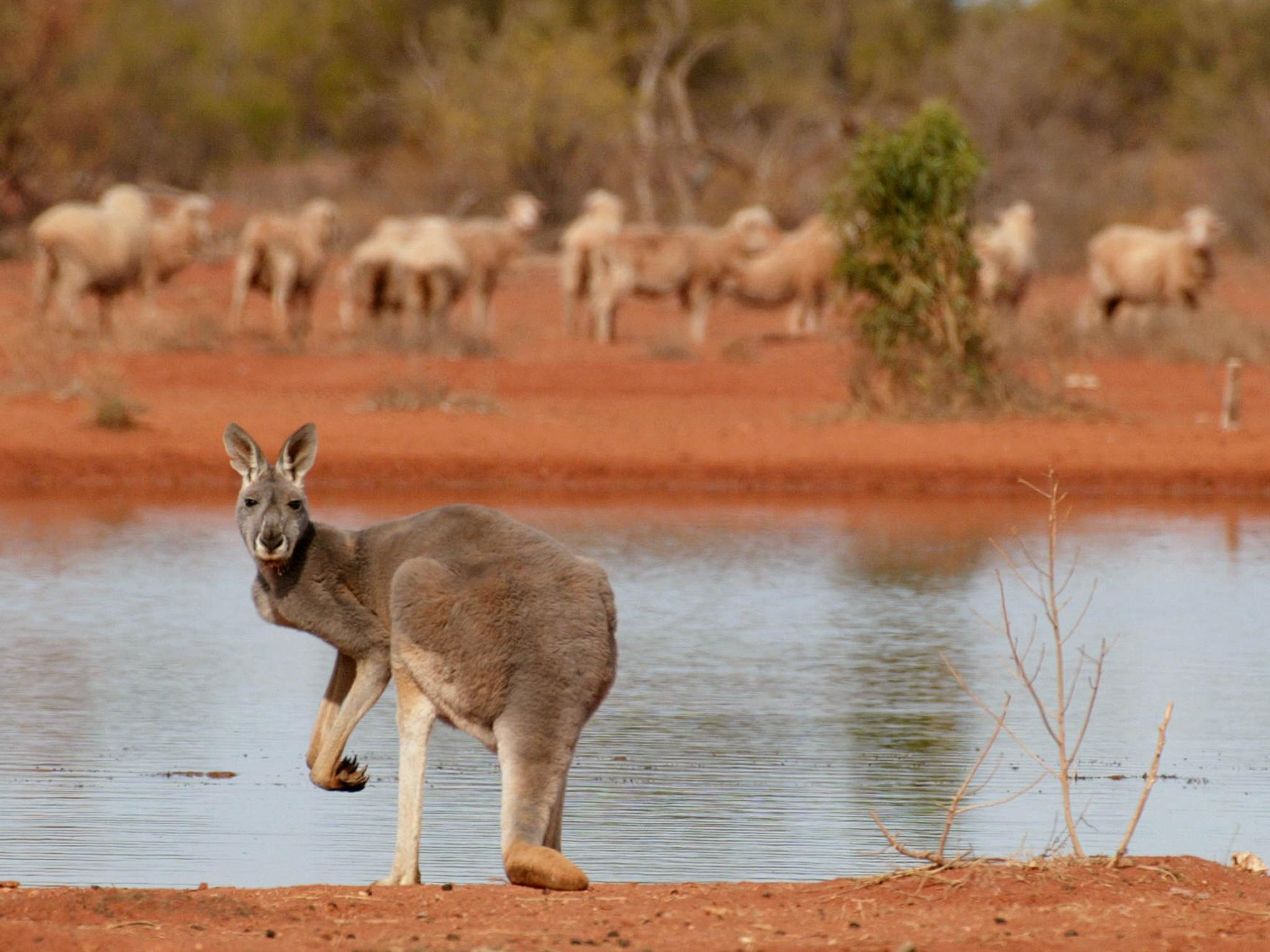
Mick Moloney’s dog Hatchi nearly became a victim of a kangaroo drowning on Saturday when a seven-foot-tall kangaroo seized the dog and attempted to drown it in the Murray River in Mildura, Victoria.

Moloney, who is a former police officer and a martial artist according to a report by the New York Post, didn’t hesitate to fight the kangaroo to save his dog’s life.

“Morning walk with the pack, got close to the river and Hatchi was missing, next minute he comes up gargling, getting drowned by this monster. Never punch a roo in the mouth, it freakin hurts….” Moloney wrote on Facebook on Saturday afternoon. “It grabbed me and tried to drown me too.”

Moloney included a video that showed the brutal encounter with his post. In the 32-second video, the hulking kangaroo is holding the dog in the river.

“I’m going to punch your f****** head in,” Moloney warns the kangaroo as he approaches it in the video. “Let go of my dog.”

The two then entered into a brawl with lots of splashing. The pair separated and the kangaroo—sporting massive muscles and dangerous claws—lunged at Moloney before Moloney retreated to the riverbank to join his dogs.

The video has been shared widely across social media. Newsweek reached out to Moloney through Facebook for comment.

There are four species of kangaroo found across Australia: the red kangaroo, the eastern grey, the western grey and the antilopine kangaroo.

Karl Vernes, an associate professor of ecology at the School of Environmental & Rural Science at the University of New England in Australia, previously told Newsweek that most kangaroo attacks on humans are likely because a dominant male kangaroo has mistaken the human for another male kangaroo.

“They are powerful animals. Mostly attacks involve kicking people leading to bruising and puncture wounds from their sharp toe claws,” Vernes said.

Moloney told the New York Post that he walked away with some scratches on his arm, but he and his dog were mostly unscathed.

You can view the video here.