
Friday, May 8, 2026
Home Blog Page 28

Sorry, It’s Not Cancel Culture When People Supporting Mass Murder Get Fired

0

Most law students like to argue. But there are some who, after cheering recent atrocities by Hamas terrorists, argued themselves out of a job. As proof that irony is taught in law school even though it’s not a listed course, one law student claimed that Israel “bears the full responsibility” for the butchery of Israeli women and children but now seems unwilling to take responsibility for her own statement. So a law firm did it for her and revoked her job offer.

A few cranks will claim this is the latest example of cancel culture. But that’s like calling a consumer’s brand preference a boycott. Cancel culture, in its more trivial form, typically involves shaming individuals into apology for actions or opinions deemed controversial but not particularly harmful. We can all imagine what types of Halloween costume you might wear later this month that would get you cancelled, even as no one is physically hurt by your selection. When deployed frivolously, canceling is counterproductive and a form of bullying. It often focuses on personal or historical wrongs and subjective moralities, drawing lines that are not universally accepted.

That’s not what happened here.

Publicly praising the beheading of infants and rape and murder of innocents isn’t a quibble about a costume or a poorly worded Facebook post. It’s a resignation letter from civil society. It’s legal to send that letter and it’s appropriate for society to accept it.

Those of us who are paying attention to modern trends aren’t surprised that this folly arose from a university setting. All too often, campus debates look less like an American townhall and more like a Roman Coliseum. Attendees are drawn to the events not for love for dialogue and discernment but a lust for anger and agitation.

All of my law school debates were civil, even when heated. Yet such decorum has become a quaint notion of the past, to be filed away in the same dusty cabinet as chivalry and being a good neighbor. Now, we are just as likely to wander down the quad and come upon arguments wielded as weapons with ferocious intensity. Empathy, nuance, and the humanity of discourse are casualties in this theatrical display of adversarial triumphalism. The jousters justify their caustic behavior as “juice worth the squeeze” without a hint of perspective that this has been the argument of dictators in every age.

Some of these law students share opinions about Hamas terrorists that are out of step with world opinion and out of sync with the facts. But it’s not because they’re busy studying torts and civil procedure; others in their generation are similarly ill-informed. Law students ought to have more logic behind their views.

I taught law school for two decades and have practiced for longer than that and I must spill this secret: There’s a briefcase full of nonsense behind much of what’s taught to young attorneys, but wiser minds become cooler heads and moderation and common sense prevail. Many of these law students haven’t yet learned that being a lawyer is more than being a zealous advocate. Zeal is easy. Discretion is hard. And the ethical obligations of attorneys require us to act with professionalism in a way that will preserve the integrity of the justice system.

All law students have a First Amendment right to express their views publicly, yet this right exists side by side with moral considerations about their own—and society’s—obligations. Just as one has the right to speak out, others have the right to associate or dissociate based on the expressed views. For example, a man cheering on a serial rapist by bearing a sign of support outside a courthouse where that rapist is being sentenced is exercising his right to free speech. However, an organization advocating for sexual assault victims possesses an equally valid right, and arguably a moral duty, to reject that man’s application for employment.

A law firm’s decision to withdraw job offers from law students who openly support acts of terrorism is a legitimate exercise of the firm’s right to free association. Their actions are not merely reactions to unpopular opinions but a stand against associating with viewpoints that glorify terrorism. It’s about making a conscious choice not to work with individuals whose values fundamentally conflict with universally accepted moral principles and the mission of that employer.

Upholding such distinctions supports a balanced approach where free speech rights are weighed in tandem with free association. And perhaps the most important law school lesson from this incident is that those who seek to advocate for justice must distinguish between the right to speak and the right to escape consequence.

Mark R. Weaver is an attorney and communications consultant who previously served as the Deputy Attorney General of Ohio. He is the author of the book “A Wordsmith’s Work.” X:@MarkRWeaver.

The views expressed in this article are the writer’s own.
Is It Too Late for Poland to Turn Back to Democracy? We’ll Find Out Sunday

0

The new cold war is not between countries but within them—between two organizing principles that cannot possibly get along. On one side are liberal democrats—covering the broad range from presidents Joe Biden and Barack Obama to senators like the deceased John McCain and the retiring Mitt Romney—and on the other are populist autocrats whose dream is turning real democracies into fake ones, generally for personal benefit.

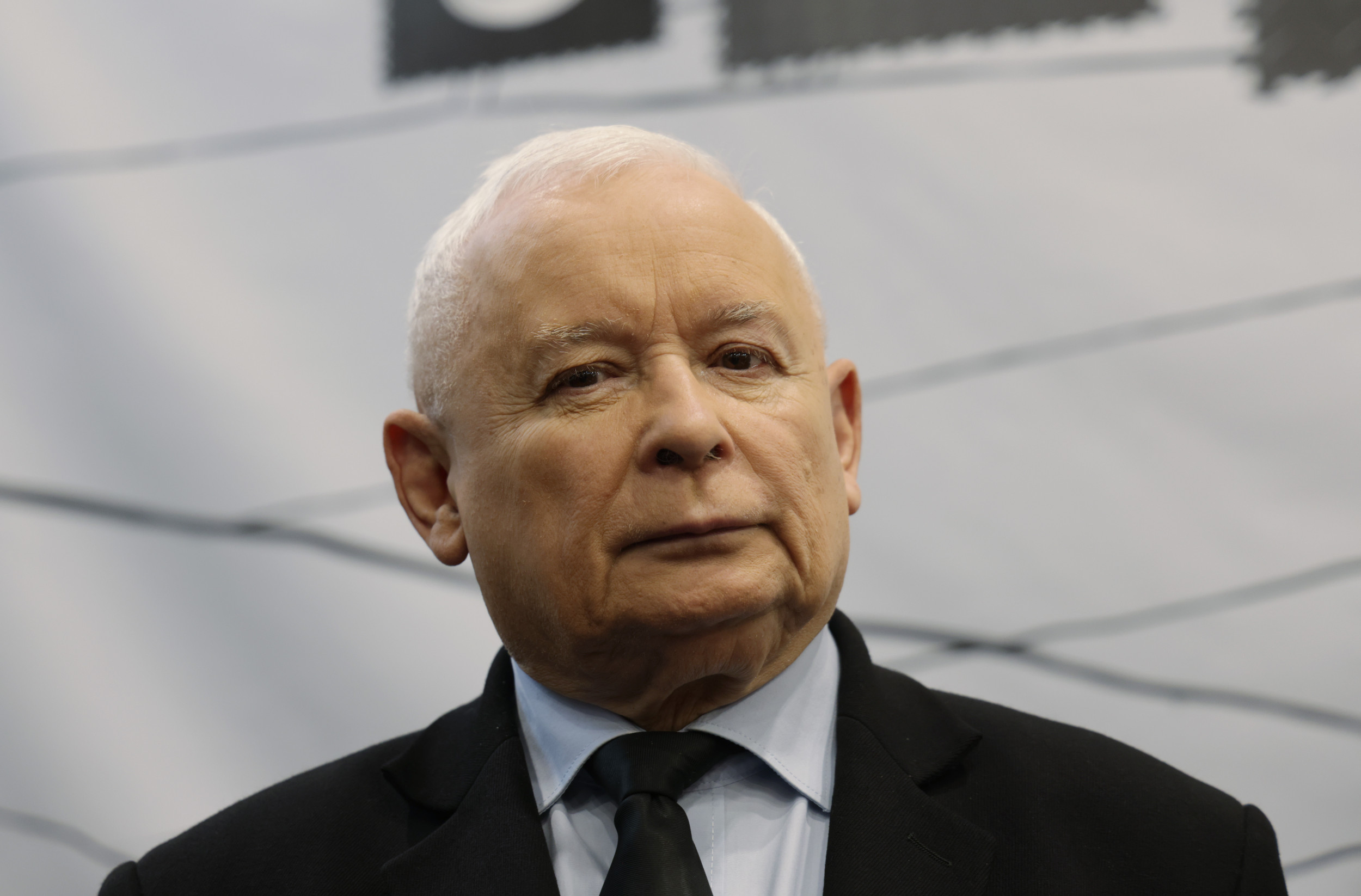
Former President Donald Trump has his equivalents all around the world—from Recep Tayyip Erdogan in Turkey to Benjamin Netanyahu in Israel, Jair Bolsonaro in Brazil to Viktor Orban in Hungary. But a place of honor is reserved for Jaroslaw Kaczynski (ka-CHIN-ski), who should be uppermost in our minds at the moment.

That’s because his ruling Law and Justice Party, a founding member of the global democracy wrecking crew, is up for reelection on Oct. 15. And if the party should fail to get a majority in the Sejm, Poland’s powerful lower house of parliament, it would be an important victory for the forces of progress on Earth.

It should never have been this hard. I remember, as a young foreign correspondent, running all over the former Communist world in the years that following the fall of the Berlin Wall in 1989. So spectacular was the failure of communism that there seemed to be no discussion at the time that the Western model would prevail. This idea was encapsulated in Francis Fukuyama’s famous “End of History” theory.

The capitalism part of the Western model was indeed adopted widely, though in problematic ways; currency collapses and corrupt privatizations in many places created bitterness that undermined the second part: liberal democracy. Populists selling snake oil, tribalism, and nostalgic national mythologies arose.

And that is where we meet Kaczynski, who founded Law and Justice (known by the Polish acronym PiS) 22 years ago with his twin brother Lech (killed in a plane crash in 2010). Much like the invention of the National Peasant Party in Romania—a country I called home for some years—the creation of PiS was a play for the salt of the earth, pointing their disdain against “elites.” Years later, the American Republicans would try the same agitations.

So, my feeling is that Kaczynski has never fully received the credit for his stellar accomplishments in derailing Polish democracy, even within his own camp.

Within this circle, Russian President Vladimir Putin‘s iron grip was often held up as the gold standard of repression. This was never quite right. For one thing, Russia’s democracy was weak when Putin took over in 2000, and he made quick work of the wobbly legacy of suddenly retired President Boris Yeltsin. But even more important, he overplayed his hand and turned the country into that most inelegant of actors, the one-man police state.

The fake-democracy trick involves avoiding total dictatorship, and maintaining some version of plausible deniability with elections that are not really rigged but are also not fair, because the authoritarian ruler controls the courts and the media.

And here, Orban is the oracle, receiving pilgrimages and regular homage from the likes of Steve Bannon and Tucker Carlson. It is certainly not underserved: Orban has achieved much.

Serving as Hungary’s prime minister since 2010, he has passed a series of controversial laws and constitutional amendments that weakened the judiciary, imposed restrictions on media freedom, and altered the electoral system to benefit his Fidesz party, which he has turned into a fiefdom.

He also managed to effectively shut down a university founded by George Soros (the Central European University) and played a big role in turning the American-Hungarian billionaire-philanthropist into a lightning rod for the global populist cabal; there is antisemitism there, which is probably a feature and not a bug.

But while Orban certainly deserves our respect, for my money the real star of fake-democracy is Kaczyinski. He looks more like an accountant than someone from a factory or a farm, and he courts the limelight less than Orban, to a perhaps bizarre degree. In addition to chairing Law and Justice, he is merely—and misleadingly—a junior deputy prime minister.

But make no mistake: he has accomplished no less than Orban—following the same playbook in weakening the courts, cowing the media so that key outlets slavishly support him, and fiddling the rules. And he has done so in Poland, a country four times bigger than Hungary with 40 million people, a NATO membership card and critical borders with Germany, Ukraine, and Russia.

Poland is the most important country of the former Warsaw Pact, a fast-growing economy that despite the democratic backsliding is marching toward a Western standard of living. It is a country that might even spread its populism to other places, such as Romania, which has the second-largest population in the region.

If your goal is to unsettle not just your own country but others as well, Kaczynski must be awarded extra credit fake-democracy points.

As in other countries, Law and Justice has played cleverly on the economic jealousies and cultural disparities between the educated and the rest. As everywhere, there is a divide between urbanites in cities like Warsaw, Krakow, and Wroclaw, and the countryside, which is far more traditional and religious, and where opposition to gay rights and abortion, for example, run high.

And it has also benefitted from the standard inability of the liberal side to avoid unwise splits; because of the 5 percent threshold needed to win seats in the Sejm, opposition votes have gone down the drain in past elections.

Right now, Law and Justice is retaining a small lead in the polls over Civic Platform, the main liberal party. But it is well short of a majority and there are a variety of other parties, which confuse the picture. The splits are understandable, because CP is not a purely social democratic party but rather more capitalistic—but right now fractures are not helpful. What is helpful is the return of party leader Donald Tusk, who had wandered off to Brussels for a while for senior positions in the European Union.

As previously explored on these pages, there is something about societies that leads to splits right down the middle, almost regardless of the choices at hand. There are some arguments for Law and Justice: the economy is humming along and many Poles really are very socially conservative.

And unlike Hungary’s Orban, who has been a major skeptic of Western assistance to Ukraine, Poland under Law and Justice has been an ally of the West in that arena. That will make it hard for Biden to interfere too much in the election.

But they are on the wrong side of history in every other significant way, and they will lead the country into a brick wall—just like Netanyahu in Israel, should his overhaul efforts prevail, and just like Erdogan in Turkey.

For Civic Platform to win, they need to move a few percentage points more from the center, away from splinter parties and away from the apathy that bedevils the liberal side all over the world.

They need to make people see a few steps ahead, toward the nightmare dystopia that the populist right is trying to establish. Because there is no way to compromise with the forces that would use the tools of democracy and freedom to undermine both. Some principles are not negotiable.

There is no way of knowing what will happen. In Turkey, a few months ago, a similar effort to unseat Erdogan fell short. But there is at least a hope that by this time next week Polish votes will have delivered the message that there is a way back from fake democracy.

Dan Perry is managing partner of the New York-based communications firm Thunder11. He is the former Cairo-based Middle East editor and London-based Europe/Africa editor of the Associated Press. Follow him at danperry.substack.com.

The views expressed in this article are the writer’s own.
Rishi Sunak Steps Into the Culture War—It’s About Time

0

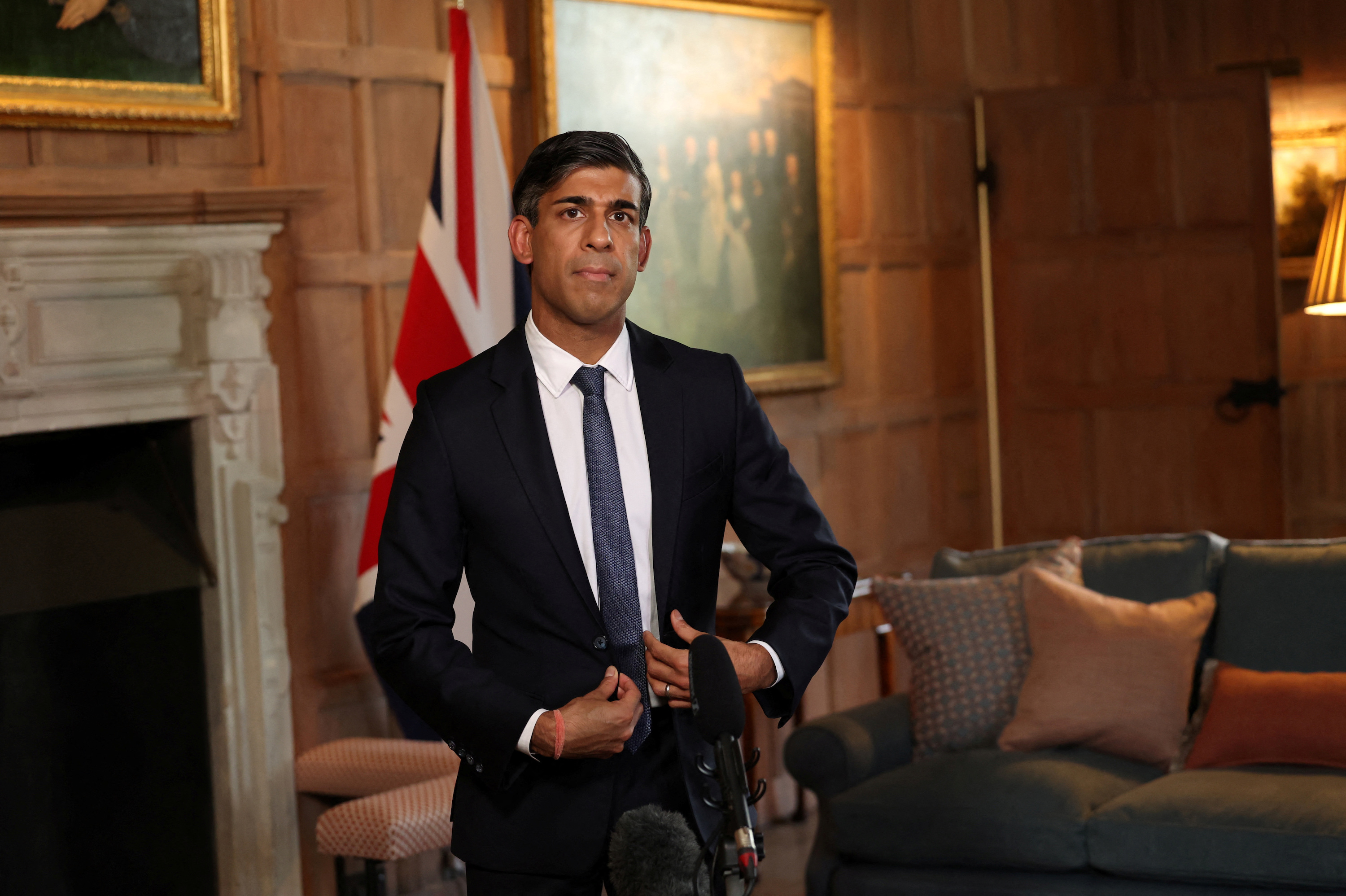
The date was October 4, 2023. Oxford-educated former hedge fund manager and current prime minister of Great Britain Rishi Sunak stood at the front of a room of Conservative Party members and made a groundbreaking announcement:

“A man is a man, and a woman is a woman, that’s just common sense.”

The words sent shock waves throughout the Western Hemisphere. The deputy prime minister of Belgium responded by calling Sunak a “bully.”

It’s easy to roll our eyes at the fact that Sunak’s point even bears repetition, so basic and fundamental as it is. But we can’t deny that the prime minister’s statement required a certain degree of courage in today’s heated cultural landscape. So many leaders ignore the culture wars, terrified to face a public flogging from the cancel mob; or even themselves capitulate to recite the new “truth” of the day.

So why did Sunak speak up, and how did we get here?

The “why” is easy enough. Sunak’s utterances of biological truth have been empowered by public opinion. A recent British Social Attitudes survey revealed a turn in the tide back towards common sense. Just 30 percent of British adults think someone should be able to have the sex on their birth certificate altered on demand, down from 53 percent in 2019.

A pendulum can only swing so far in one direction before it returns. The liberal establishment pushed its ideology so far that the sacrifice of women’s safety became undeniable. In neighboring Scotland, where the government has thrown its weight behind radical gender ideology, double rapists have been placed in women’s prisons—out of respect for their chosen gender identity. Where U.K. retailers have conformed to false gender orthodoxy, girls have reported horrendous experiences of exposure in changing rooms. And J.K. Rowling has been put through the wringer for her public defense of female-only rape crisis centers.

Perhaps this concerning encroachment on women’s rights would have failed to tip the scales—had it not been for the kids. A series of Freedom of Information requests found that the majority of English high schools, faced with an epidemic of gender confusion among hormonal teens, have been taking it upon themselves to secure a path to social transition for children without their parents’ knowledge.

Additionally, almost a third of high schools don’t operate single-sex toilets, one in five don’t have single sex-changing rooms, and almost three-quarters teach students that their gender identity could be different from their biological sex as part of the curriculum.

The social contagion has been set loose, particularly among girls. Thousands of vulnerable adolescents are being sent down a path that can lead to irreversible bodily damage, including a lifetime of infertility. And parents are tired of being cut out of the picture.

It’s now becoming increasingly clear to the public that demands to be recognized as a different gender cannot come at the cost of the welfare of women and children. And rushing vulnerable people into so-called “gender-affirming care” has not proven to be in their best interest. The claimed evidence of benefits from such treatment is dubious, and the harms to sexual and reproductive functions from gender transitioning are beyond doubt. Swedish and Finnish health authorities have already concluded from longitudinal studies that for most adolescents, the risks of gender hormone “therapies” outweigh any supposed benefits.

With Sunak now articulating a grounded belief in immutable biological sex, the U.K. government is finally showing signs of heeding the majority public opinion in defending the most vulnerable.

Yet, it’s sad that it takes a change in the winds of public opinion to convince our “Conservative” government to conserve basic truth. We needed them to hold the line long ago—acknowledging the immutable differences between men and women and legislating accordingly. Dating back to the sexual revolution in the 1970s, our leaders have diminished the unchangeable differences between women and men. In a push to make women “work like a man” in generating GDP, leaders forgot to protect, respect, and uphold the unique strengths and needs of womankind. We shouldn’t be fooled into thinking the assault on the sexes is anything new.

With election season hastening towards us and the polls looking less than positive for the Conservative Party, it will be a sorry state of affairs to look back on 13 years of Conservative leadership with such ruinous social consequences for men and for women. Let’s hope Sunak can maintain his brave new stance, and bring his party with him, to make a difference before they run out of time.

Lois McLatchie Miller (@LoisMcLatch) is a Scottish commentator and writer for ADF UK.

The views expressed in this article are the writer’s own.

Terror Watch: It’s Time to Rethink Our Relationship With Qatar

0

As the horrific scenes of the terrorist Hamas attack on Israel played out on social media, with videos of mutilated corpses, gang rapes and abductions, Hamas Leader Ismail Haniyeh—safe and likely in his penthouse hideaway in Doha—celebrated and prayed over the successful massacre of over 1,200 people. The Qatari Foreign Ministry said it held Israel “solely responsible” for the bloodshed due in part to its “incursions into the Al Aqsa Mosque.”

Qatar has a long history of supporting terror. Qatari funds and political support have reportedly made their way to groups like the Janjaweed who carried out the infamous genocide in Darfur, Sudan, to various branches of Al Qaeda, and to the Taliban. According to a 2017 congressional hearing, a top Qatari official “provided support” to Khalid Sheikh Mohammed, the mastermind of the 9/11 attacks. Top U.S. officials have said that Qatar created a “permissive terrorist financing environment.”

Why does Qatar do this? To the West, they deny these claims, instead casting themselves as a regional mediator, with ears everywhere. Indeed, the U.S. has used Qatar for negotiations with the Taliban and Iranian regime. However, being a mediator is not what drives Qatar’s relations with regional radicals. The Qataris truly believe in the radical Islamist ideology that they push. The national security advisor to the emir said that Qatar and the Taliban share “deep ideological ties.”

Qatar has gotten away with supporting terrorism and spreading radical ideology because of, well, money. There is a saying in Washington that if you walk by the Qatari Embassy, your pockets will grow. Qatar has spent many millions on public relations firms in the U.S. and other Western countries and has spent billions of dollar on top U.S. colleges, including Cornell University and premier U.S. think tanks on both sides of the aisle, including the Brookings Institution and Atlantic Council. These payments ensure Qatar freedom from condemnation. Salem Ali, a visiting fellow at Brookings’ Doha Center, said that in his job interview he was told he could not take positions critical of Qatar.

When it comes to Israel, Qatar reserves a particular hatred. Its government openly houses Hamas leaders and uses the state-funded channel Al Jazeera to carry out one of the largest propaganda campaigns against Israel in both the Middle East and the West. Qatar is also one of the largest funders of Gaza, pumping more than $1 billion into the Hamas-run territory.

Yet despite all this, Doha and Washington have never been closer. The United States is Qatar’s largest foreign direct investor and single largest source of imports. Last year, the Biden administration upgraded relations with Qatar to major non-NATO ally status, a designation shared by a select few countries, including Israel. Former President Donald Trump wasn’t much better. One day after calling Qatar a sponsor of terrorism, Trump sold the nation $12 billion worth of weapons.

Israel is not the only country in the region to feel the impact of Qatari-funded terror or destabilization. In 2017, Saudi Arabia, the United Arab Emirates, Bahrain, and Egypt severed relations with Qatar and created a blockade due to the latter’s funding for terrorism, close relations with Iran and funding of the Muslim Brotherhood. Qatar fought back the way they do best, through manipulation of the press. In English-language media, they claimed the blockade was breaking up families. In Arabic, through Al Jazeera, they accused the U.A.E.’s policy of religious tolerance as “idolatry.” The blockade was opposed by the Trump administration and the Kuwaiti government but was brought to an end in 2021. According to the Atlantic Council, the reason for the end of the blockade was not because Qatar acquiesced but to preempt additional pressure from the incoming Biden administration.

If there is any lesson to take from the latest massacre in Israel, it is that we cannot tolerate any easing of pressure against terrorists and their supporters. The U.S. must immediately call on Qatar to hand over any terrorists on its soil or at least expel them from its territory and stop the funding and support for extremists. How many more massacres, genocides, and terrorist attacks from groups supported, financed and “deeply ideologically tied” to Qatar do we need?

Joseph Epstein is a legislative fellow for the Endowment of Middle East Truth (EMET).

The views expressed in this article are the writer’s own.
High Risk of Violence at Protests Over Israel and the Palestinians

0

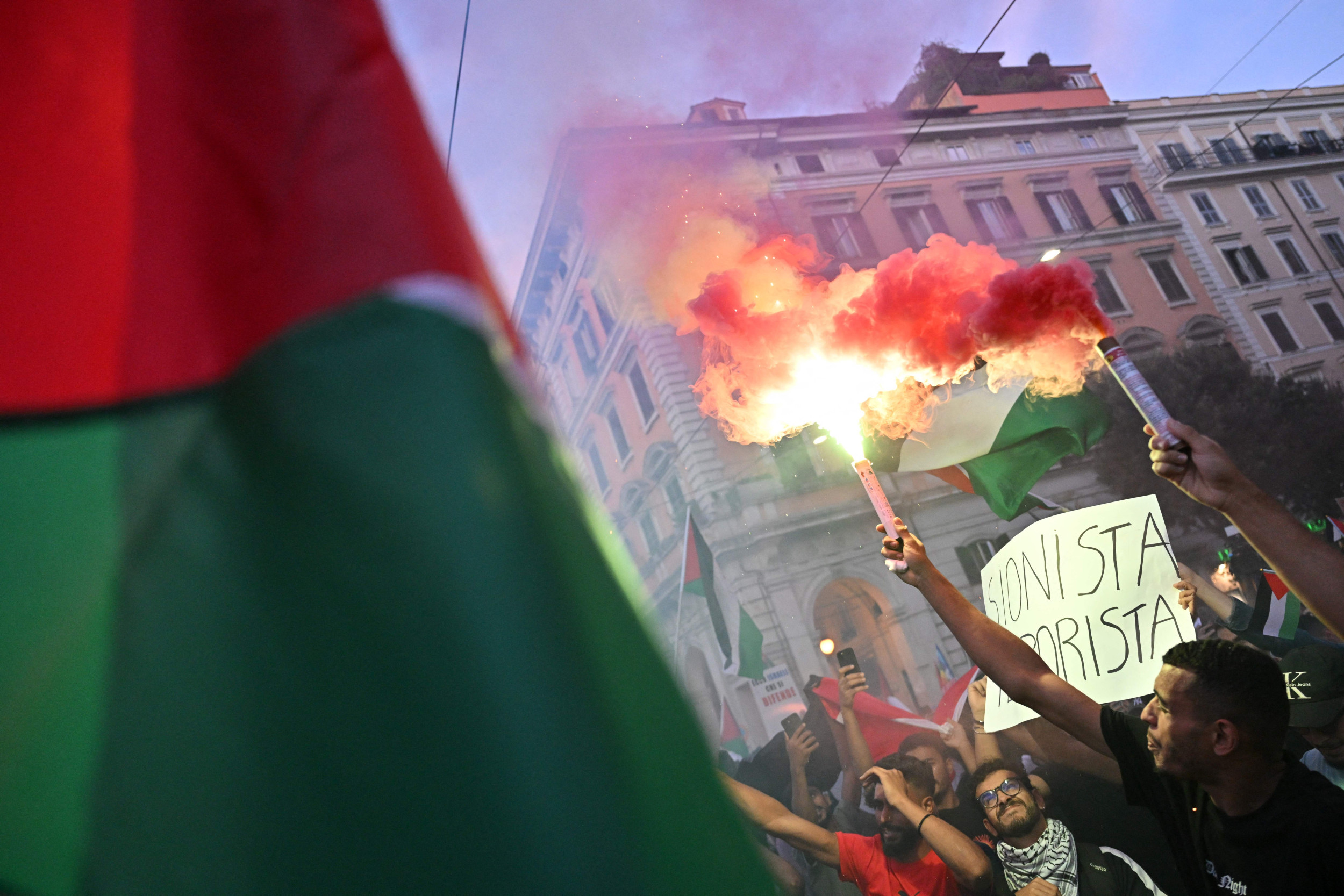
As supporters of Israel and Palestine rally across the United States in response to the ongoing crisis, the risk of violence at demonstrations is high.

The violence in Israel and Gaza has already brought out demonstrators in force across the United States. This week, competing rallies took place in Boston, New York City, Tampa, and several other U.S. cities. With the exception of some punches thrown and other minor violence, demonstrations so far have otherwise remained peaceful. But some demonstrations may devolve into serious violence or be the target of planned attacks.

Violence at demonstrations in the United States has grown increasingly common over the past three years, according to data from the Center for Strategic and International Studies. In 2020 and 2021, 47 percent of all violent extremist incidents in the United States were linked to demonstrations, up from a mere 2 percent the year before. In 41 percent of those cases, demonstrators were the target of the violence, including at demonstrations linked to Black Lives Matter and anti-vaccine mandates. What explains this disturbing trend, and how might it manifest in demonstrations related to the unfolding events in Israel and Gaza?

Four possible causes stand out. First, the United States has experienced an increased number of large protest movements over the past three years. From 2020 to 2023, the United States experienced nine large protest movements, according to data from the Carnegie Global Protest Tracker. That’s up from just four large protest movements in the three years prior. To some extent, it is a matter of probability that an increased frequency of demonstrations creates more opportunities for violence to arise. Already, the events in Israel and Gaza have motivated a wave of protests across the United States. The number of demonstrations will continue to grow in the coming weeks and months, particularly as Israel’s response to the Hamas attacks unfolds and civilian casualties mount.

Second, the issue of Israel and Palestine is an increasingly polarizing topic. According to polling from March 2023, 31 percent of Americans feel more sympathy toward Palestine than Israel, the highest rate in history. Conversely, Americans with greater sympathy toward Israel than Palestine has declined in recent years, down to 54 percent in 2023. Such polarization can be expected to contribute to the presence of counterprotestors at demonstrations, which makes escalation possible. Younger generations, who are more likely to protest and are more prone to violence, are also the most evenly split demographic. 42 percent of millennials (born 1980-2000) sympathize more with Palestinians, compared to 40 percent who sympathize more with Israelis.

Third, the level of anger motivating demonstrators to take to the streets is particularly high. The long, complicated, and violent history of the conflict between Israel and Palestine creates sharp divisions between supporters of either side. Already this week, demonstrators in the United States have used violent rhetoric and engaged in acts of hate, short of violence. For many in the United States, reactions to the conflict are so severe because the events in Israel and Gaza directly impact the safety and security of family members and friends in the region. Following Israel, the United States has the second-largest Jewish population in the world.

Although exact figures on the number of Palestinian immigrants and refugees in the United States are difficult to determine, there are robust Palestinian communities in major cities across the country, including in New York City, Chicago, and Los Angeles. When a strong-held belief linked to one’s identity comes into direct opposition with another, it can lead to the dehumanization of the other and the acceptance of violence as legitimate or necessary.

Fourth, the nature of the violence in the region and high visibility enabled by social media thickens the anger of demonstrators, increasing the risk of violence. Almost immediately following Hamas’ initial attack, horrific videos and images spread across the world on social media. In a world filled with cameras connected instantly by the internet, the violence committed by either side will continue to be broadcast to global audiences with little to no filter. At the same time, the popularity of social media, demand for information, and unreliability of internet sources increases the spread of potentially escalatory misinformation. The world is likely to witness in unprecedented detail a bloody protracted conflict in the region, increasing the risk of sustained and highly emotional demonstrations in the United States all the more susceptible to devolve into violence as a result.

It is also worth noting that in addition to the risk of escalation between opposing groups at demonstrations, these four factors also contribute to the increased risk of a planned attack targeting demonstrators. In June 2020, police arrested a 26 year old man who plotted to attack Black Lives Matter protestors using improvised explosive devices. In cases where a radicalized individual or group may be planning an attack, demonstrators with opposing ideological views in open public spaces make an appealing target. Other targets, however, such as religious places of worship, are traditionally at higher risk of a premediated attack during times of increased tensions.

Supporters of Israel or Palestine are not uniquely prone to engaging in violence at demonstrations. During the 2014 Gaza War between Israel and Hamas, demonstrations took place across the world in support of either side. In the United States, violence broke out at some of these demonstrations, though serious incidents were largely avoided. The risk of violence should also not be manipulated to suppress the right of Americans to demonstrate. Rather, law enforcement and demonstrators alike must be aware of the increased risk of violence when demonstrations are frequent, polarizing, highly emotional, and fueled by images of violence. Already, law enforcement across the country is mobilizing to provide additional security at demonstrations, as well as at synagogues and mosques. It will take political leaders and participants on both sides who are determined to preserve peace at demonstrations to ensure that the United States remains safe for those expressing their political beliefs.

Riley McCabe is a research assistant and program coordinator for the Transnational Threats Project at the Center for Strategic and International Studies (CSIS).

The views expressed in this article are the writer’s own.

It’s Time to Put an End to Hamas’s Absurd Game

0

In the Arab world, objectively analyzing the situation in Gaza and its environs is like deliberately stepping on a mine. Condemning Hamas can be seen as treason or blasphemy within the movement and among its supporters. It’s why even many who know that Hamas is a terrorist movement choose silence over honesty.

But in times like these, silence is shameful.

It is shameful given the brutality of Hamas’s attack against hundreds of civilians in Israel’s south, acts of violence against women, children, and even babies that demand to be called out.

But Hamas must be condemned for its violence against Palestinians, too.

Hamas has no problem shedding the blood of its people in order to achieve political and authoritarian goals. These goals have become linked to the regional agendas if its allies—Iran, Hezbollah, and even the Houthis. Of course, they had help from Israel; occupation and oppression generate despair, which in turn generates extremism. Israel’s decades’ long campaign of discrimination, harassment, and violence against the Palestinians in the West Bank and Gaza Strip has been fertile soil for the growth and development of extremist thought. Hamas could never have thrived absent the painful reality that millions of Palestinians live in.

Jordan’s King Abdullah II explained the situation well in his speech before the 78th session of the United Nations General Assembly when he said, “Five million Palestinians live under occupation no civil rights, no freedom of mobility, no say in their lives.” No architecture for regional security can withstand such human rights abuses.

No doubt, the unprecedented brutal attack in the South of Israel created a state of euphoria for Hamas. Yet what was the goal? What did Hamas want to achieve from the “Al-Aqsa Tsunami” operation?

Saleh Al-Arouri, deputy head of the political bureau of the Hamas movement, told Al Jazeera that the “Al-Aqsa tsunami” operation was a preemptive operation against one Israel was intending to carry out against Gaza. Yet what did they actually achieve? As a result of the Hamas operation, Israel lost over a thousand civilians and soldiers, but it gained unprecedented international support.

Now Israel will begin the slow work of destroying Hamas, which will cost thousands of Palestinian lives. If Hamas’s goal was to drag two million Palestinians in Gaza into a war they did not want, they it succeeded. If their goal was the deaths of thousands of Palestinians, they succeeded. Beyond the atrocities committed against Israelis are the deaths of the Palestinian civilians that will follow.

The legitimate right to resist occupation and oppression does not include dragging an entire people into a war—including children, women, and the elderly, millions of civilians who no one consulted and who will inevitably be killed, on both sides of the conflict. And Hamas, which turned its weapons on the Palestinians when it usurped the Gaza Strip from the Palestinian Authority 16 years ago, will not be embarrassed to kill civilian prisoners, as its official spokesperson clearly stated.

At the same time, it is important to realize that when people lose hope because of oppression, occupation, and humiliation, they no longer fear death. Death becomes the best and easiest option because it puts an end to their suffering.

The only way out of this is to find a way to peace, for both sides to learn the value of life.

Dr. Muhannad Alazzeh is a former member of the Jordanian Senate and a human rights expert.

The views expressed in this article are the writer’s own.

How much hybrid workers spend on days at the office

0

In 2020, the workforce was thrown into the unknown as the world battled the COVID-19 pandemic. While forced to take laptops home and work remote, many realized they didn’t care to go back to the office. At least not full time. Three years later, it seems that the sentiment has stuck.

Owl Labs surveyed 2,000 full-time workers in the United States for its “State of Hybrid Work 2023” report. Employees’ top priority? Flexibility.

In fact, if workers were no longer able to work flexibly, one in three said they would start looking for a new job, according to the data. A staggering 62 percent are willing to accept a pay cut of 10 percent or more for greater work flexibility. Respondents said the flexibility creates a positive impact on productivity, work-life balance and company loyalty.

“The traditional “perks” that once worked for luring them [employees] in [back to the office] are no longer cutting it,” Owl Labs CEO Frank Weishaupt told Newsweek. “What employees really want is plain and simple: to save money and have more flexibility.”

Working From the Office:

Along with flexibility, working from home is cheaper for many who save on commuting, food, daycare and pet-care costs. The report found hybrid workers spend $51 daily when working from the office—$36 more than they would from home. Due to these costs, about 30 percent of respondents would expect a pay increase if required to return to the office full time.

“Companies should consider paying for employees’ commuting costs, subsidizing food and beverages, and/or providing on-site childcare or eldercare if they truly want to entice employees back into the office,” Weishaupt told Newsweek.

*The report’s breakdown did not include childcare, which typically costs far more.

Hybrid Work Challenges

The transition to hybrid work hasn’t been without its challenges. A significant 64 percent of respondents feel overwhelmed by the multitude of communication platforms their companies use. This digital fatigue, coupled with the fact that 56 percent of workers report increased work-related stress since last year, highlights the need for companies to streamline communication and prioritize employee well-being.

The report also delves into the trend of “coffee badging”—the act of briefly showing up at the office before heading out (a professional cameo, if you will). About 58 percent of hybrid employees admit coffee badging to “show face.”

The study also asked respondents about their concerns regarding proximity bias. A significant 63 percent of employees fear that managers perceive in-office workers as more dedicated and trustworthy than their remote counterparts. This perception could be contributing to the 52 percent of respondents who feel disengaged at work, with 31 percent attributing their disengagement to declining mental health.

The most popular working schedule? Most, 45 percent, preferred working in the office three days per week.

Employee Concerns:

The survey asked employees what makes them feel disengaged and concerned. The top responses included declining mental health, an overwhelming workload and fears of a recession. A further breakdown can be found below.

What Makes Employees Feel Disengaged?

Their mental health has decreased over the past year: 31 percentTheir workload has increased and they can’t keep up: 30 percentThe lack of onsite learning on the job: 22 percentThey don’t feel connected to the company or culture: 20 percentThey don’t feel fairly compensated: 19 percentThey don’t have a sense of personal accomplishment: 19 percentLoneliness/they don’t feel connected to their teams: 18 percentThey don’t see any growth opportunities: 17 percentThey don’t feel valued: 15 percent

Top Employee Concerns

A recession: 56 percentLack of career progression: 55 percentNot being given the flexibility they want: 55 percentBeing micromanaged: 55 percentHaving work monitored: 54 percentWorry over job stability: 53 percentDisengagement with work: 52 percentBeing forced to be in the office full time: 52 percentRelationships with colleagues: 52 percentTheir workload is too heavy: 52 percentNot feeling seen + heard in meetings as a remote participant: 51 percent

Multiple Jobs

In 2023, nearly half of respondents said they have either a second job or a side hustle.

Full-time office employees are over two times more likely to hold an additional job compared to hybrid or remote workers. Which employees are most likely to have another gig? In this study, the answer is overwhelmingly millennials, at 74 percent, followed by Gen Z (13 percent), baby boomers (13 percent) and Gen X (11 percent).

“This year’s data shows us that many companies have a lot more work to do to provide an attractive, productive and stress-free office environment that makes employees want to gather,” Weishaupt said.

To read how Newsweek uses AI as a newsroom tool, click here.

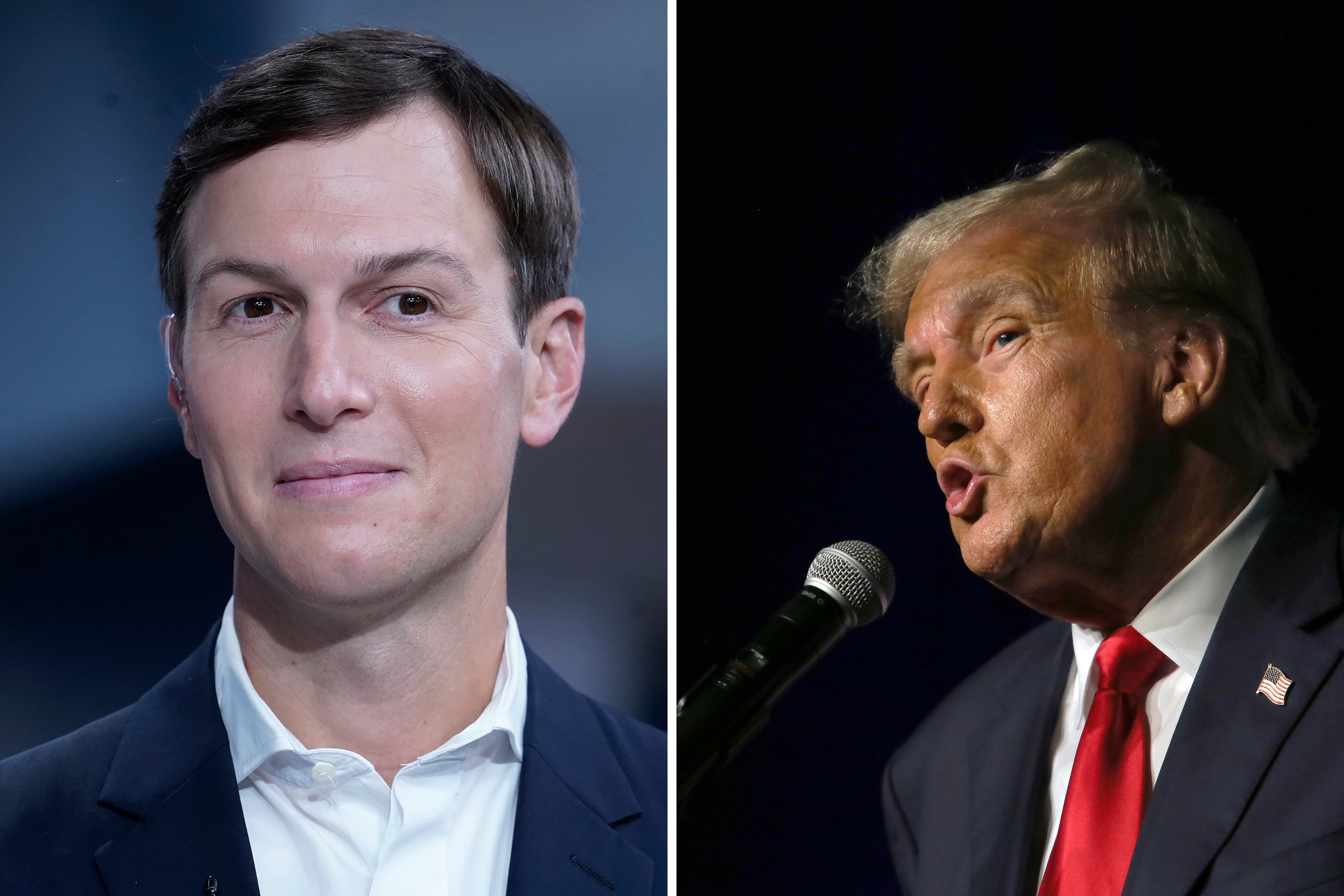
Jared Kushner reveals hopes for 2024 election after Ivanka Trump steps away

0

Donald Trump’s son-in-law Jared Kushner is expressing his hope that the former president will win reelection in 2024 while praising the Trump administration, in which he was a senior adviser, for its Middle East policies.

While Kushner has been vocal about his support for his father-in-law’s campaign, his wife, Ivanka Trump, has chosen to remain quiet. After Trump announced his run for president last November, she made it clear that she does “not plan to be involved in politics.” She also served as a senior adviser in her father’s administration.

Kushner, meanwhile, is speaking highly of Trump while saying that President Joe Biden has shown weak leadership during Russia’s invasion of Ukraine and Hamas’ recent attack on Israel.

Appearing on Lex Fridman’s podcast, Kushner said, “I do think that the job [Trump] did as a foreign policy president was tremendous. Now, more and more people are beginning to recognize that.

He continued: “Now, under President Biden, this is the second war that’s broken out in the world, and when you have weak leadership, the world becomes a less safe place,” he said, referring to the Israel-Hamas conflict. “My hope and prayers are that President Trump is reelected and that he’s able to then restore calm and peace and prosperity to the world.”

Kushner, who headed Middle East policy in the Trump White House, particularly relations between the Palestinians and Israel, also said there would be hope for peace in the Middle East if Trump wins the presidential election. The former administration, he said, had a foreign policy aimed at making the Middle East an economic and diplomatic resource for the U.S.

“I do think that the region has tremendous potential, it’s just been held back by bad policy, bad leadership, bad objectives,” he said. “When President Trump left office in 2021, the Middle East was really on a very positive trajectory, and if the right things happen, it can continue to be so.”

However, since Saturday’s Hamas attack on Israel that has led to a new war in the region, Kushner has been criticized for his foreign policy initiatives in the Trump administration.

Kushner aided Trump in the brokering of the Abraham Accords, a peace agreement between Israel, Bahrain and the United Arab Emirates that was signed in September 2020. But Kushner has been criticized for the agreement’s failure to provide any solutions to the conflict between Israel and the Palestinians.

As for Ivanka, while she has chosen to remain out of the political spotlight, she said last November “I love my father very much” on the day he announced he was running for the White House again.

“This time around, I am choosing to prioritize my young children and the private life we are creating as a family,” she wrote on Instagram.

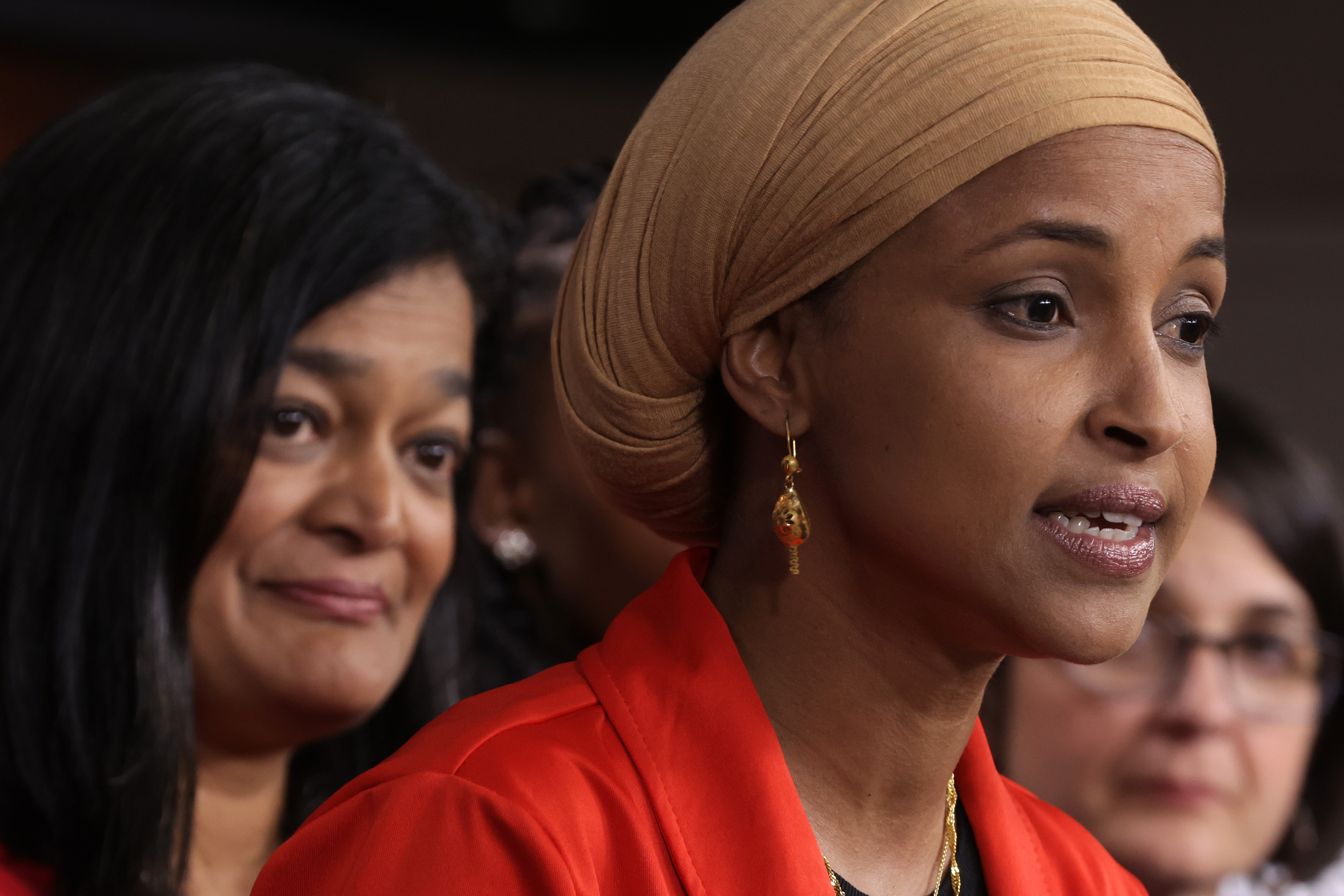
Ilhan Omar accuses Israel of "ethnic cleansing"

0

Minnesota Democratic Representative Ilhan Omar on Friday claimed that Israel’s warning to evacuate northern Gaza in only 24 hours was a form of “ethnic cleansing,” adding that she believes it will cause “an unspeakable humanitarian crisis.”

The land, air and sea attack on October 7 by Islamist militant group Hamas was the deadliest Palestinian militant barrage on Israel in history, with Israel then waging its most lethal airstrikes ever on Gaza.

Israel’s military “will continue to operate significantly” in Gaza, Axios shared on X, formerly Twitter, citing the Israel Defense Forces’ evacuation warning, with the news outlet following up with a post saying that Israel told the United Nations to evacuate the northern Gaza Strip within 24 hours.

Omar called out Israel on X: “The mass expulsion of over 1 million people in a day is ethnic cleansing.

“The UN has already said this is ‘impossible’ and will have ‘devastating humanitarian consequences,'” the congresswoman said. “We have to stop ignoring the thousands of Palestinian lives lost and millions at stake! We must use all diplomatic tools stop this.”

Ethnic cleansing is defined by the UN as “… a purposeful policy designed by one ethnic or religious group to remove by violent and terror-inspiring means the civilian population of another ethnic or religious group from certain geographic areas.”

In a follow-up post, Omar explained why she believes a 24-hour evacuation is “impossible,” noting that it will cause “an unspeakable humanitarian crisis.”

“First, many Palestinians are already wounded, displaced and/or caring for a sick or injured relative, child or senior. They can’t simply pick up and leave,” she said. “With communications and electricity shut down by Israel, the order cannot be communicated. Roads are bombed and many cars are out of fuel, making fleeing impossible for many.”

Israeli Prime Minister Benjamin Netanyahu has said his country is “at war” and has cut off supplies of food, fuel, electricity and medicine into Gaza.

Omar added in her follow-up post that southern Gaza cannot hold an additional 1.1 million people and that there has been no announcement of a “pause in hostilities” to give residents cover while evacuating.

“The mass expulsion of over a million civilians is a grave violation of international law, and not justified under any circumstances. Our common humanity demands we stop it,” Omar said.

Ethnic cleansing is not recognized as an independent crime under international law, according to the UN.

While Omar has been a vocal critic of Israel for what she describes as human rights abuses against Palestinians, she also condemned Hamas’ attack.

“We need to call for deescalation and ceasefire,” Omar said on X. “I will keep advocating for peace and justice throughout the Middle East.”

As of Friday, at least 1,300 people had been killed in Israel, the Associated Press (AP) reported, citing Israel’s government, as well as more than 1,800 killed in Gaza, according to officials there, according to AP.

Newsweek reached out to Israel’s Ministry of Defense via email for comment on Friday.

I’m in Gaza. My children are crying. Death is everywhere

0

We see death everywhere and every minute.

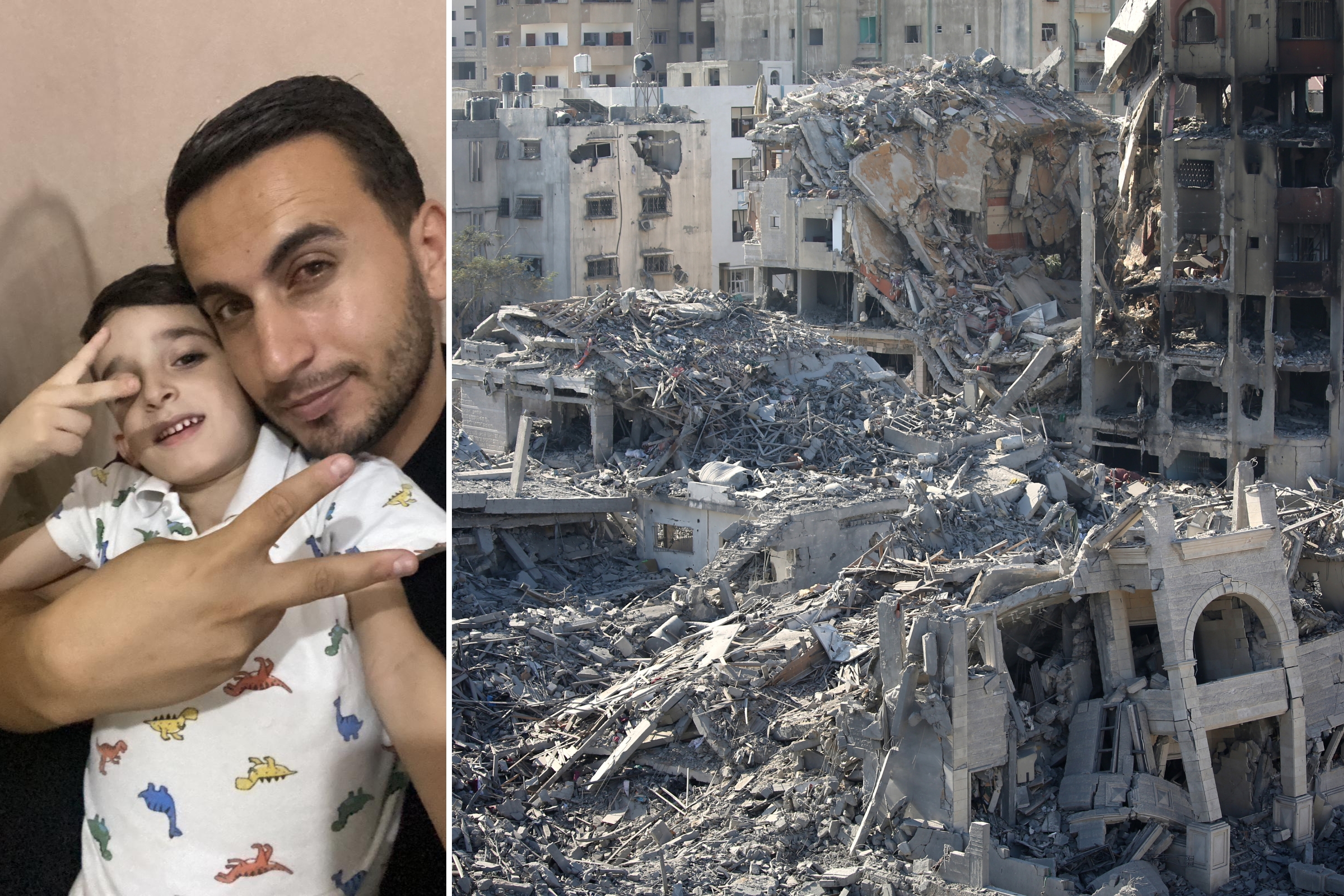
The Israeli occupation has wiped out whole neighborhoods in Gaza.

I had to leave with my family from the Bureij camp to the Deir El-Balah camp.

There was a huge bombing near my family’s home at 2 o’clock in the morning. Most of our windows were destroyed.

We had to flee our home in the middle of the night. I just had to hold on to my children and run.

There are 26 martyrs that we know of so far. Many more are still under the rubble. Five whole families were removed from the civil registry in that bombing.

Hospitals in Gaza are running out of medical supplies and beds. Dead bodies are lying on the ground. Most of them are kids and women.

Israeli warplanes have bombed residential homes, mosques, and agricultural land across the Gaza Strip.

We have no water or electricity. We have to charge our phones in the market using solar panels.

There is sometimes internet if I use a mobile phone, but it’s only connected for two minutes and then disconnected for hours again. I connect to the internet for two hours in every 24.

I heard the Israelis have told us to evacuate to safe areas. But no place is safe in Gaza. They tell the people to leave to the south, and then they are still bombing in the south.

Now, while I write this, there is a bombing, and at the same time an attack on a civilian car moving to the south.

I use Twitter to share information about what is happening. If I don’t tweet for a while, know that I’m dead.

We don’t fear this situation. This is not the first aggression we have faced and will not be the last one. We have seen death many times before. And, in the end, there is Jannah.

The occupier’s crimes violate all our civil and legal rights, and violate the laws of freedom in all its forms.

We have been living in an open prison for seventy years, under the crimes of the occupation, which controls us as it pleases, kills whenever it pleases, and cuts off our supplies, electricity, and water.

We are a people who only demand our freedom and our rights; this is the least that any human beings on the face of the Earth can demand.

I just heard of another bombing in the south; two martyrs and eight injuries.

My children are crying and screaming. They are young; just five and two years old.

If I die, remember that I—we—were individuals, humans. We had names, dreams, and achievements, and our only fault was to be classified as inferior.

My battery is about to die again.

Pray for us.

Said Shoaib is a Palestinian who lives with his family in Gaza.

All views expressed are the author’s own.

Do you have a unique experience or personal story to share? Email the My Turn team at myturn@newsweek.com.